Is your gut trying to tell you it's thirsty?
In the intricate symphony of our body, the digestive system plays a leading role, tirelessly working to break down food, absorb nutrients, and eliminate waste. Yet, one of its most fundamental requirements—water—is often overlooked. We focus on fiber, probiotics, and diet, but the simple act of drinking enough water holds immense power for gut health.
Adequate hydration is not just about quenching thirst; it's about facilitating every step of the digestive process, from the first bite to the final elimination. A well-hydrated gut means smoother operations, better nutrient uptake, and a significantly reduced risk of common digestive woes, including the challenging symptoms of Irritable Bowel Syndrome (IBS).
The Unsung Hero: Water's Fundamental Role in Digestion
Water is not just a beverage; it's a vital nutrient that acts as a solvent, lubricant, and transporter within our digestive system. Its importance cannot be overstated.
From the moment food enters your mouth, water is at work. It's the primary component of saliva, which helps moisten food for easier chewing and swallowing, and initiates the breakdown of carbohydrates with enzymes. Without sufficient saliva, dry food can be difficult to chew and can lead to discomfort or even choking, making the initial stages of digestion a struggle.
As food travels down the esophagus to the stomach, water plays a crucial role in the formation of gastric juices. These juices, rich in hydrochloric acid and enzymes, are responsible for breaking down proteins and killing harmful bacteria. A well-hydrated stomach can produce these digestive acids more effectively, ensuring that food is properly prepared for its journey into the small intestine. Inadequate water intake can lead to less efficient stomach acid production, potentially resulting in indigestion and nutrient malabsorption.
Further along the digestive tract, in the small intestine, water acts as a medium for the absorption of nutrients. Vitamins, minerals, and other essential compounds are dissolved in water, allowing them to pass through the intestinal lining and into the bloodstream. This process of nutrient absorption is highly dependent on the presence of sufficient water. If you're dehydrated, your body's ability to extract and utilize these vital nutrients from your food can be severely compromised, even if you're eating a healthy diet.
Finally, in the large intestine, water is crucial for the formation and passage of stool. It softens the stool, adding bulk and making it easier for waste to move through the colon. This process, known as peristalsis, is the wave-like muscle contractions that propel food through the digestive tract. When you're dehydrated, the large intestine absorbs more water from the stool, leading to hard, dry stools that are difficult to pass. This often results in constipation, a common and uncomfortable digestive issue that can significantly impact quality of life.
💡 Key Takeaway
Water is indispensable for every stage of digestion: from saliva production and nutrient breakdown to absorption and waste elimination. Chronic dehydration can disrupt these processes, leading to indigestion, poor nutrient absorption, and persistent constipation.
Hydration's Direct Impact on Bowel Movements and Constipation
One of the most immediate and noticeable effects of proper hydration on gut health is its influence on bowel regularity and the prevention of constipation.
Softens Stool
Water is absorbed by soluble fiber in your colon, forming a gel-like substance that keeps stool soft and bulky. This makes it easier for the stool to pass through the intestines without straining or discomfort. Think of it as lubricating the entire system.
Facilitates Peristalsis
The smooth muscles of your colon rely on adequate hydration to contract effectively, pushing waste along. Dehydration can slow down these contractions, leading to sluggish bowel movements and waste accumulation. Proper hydration keeps things moving at an optimal pace.
Prevents Impaction
Severe dehydration, especially when combined with a low-fiber diet, can lead to fecal impaction, a serious condition where a mass of hardened stool gets stuck in the colon. Regular water intake is a primary preventative measure against such severe issues.
Reduces Bloating and Gas
While counterintuitive, sometimes bloating can be a sign of dehydration. When your body senses a lack of water, it might hold onto existing fluid, leading to a bloated feeling. Proper hydration, combined with fiber, helps waste move out, reducing the likelihood of gas build-up and bloating.
The Gut Microbiome and Hydration: A Symbiotic Relationship
Beyond mechanical digestion, water also plays an integral role in maintaining the delicate balance of your gut microbiome – the trillions of bacteria residing in your intestines.
These microorganisms are responsible for a multitude of functions, including further breaking down food components, synthesizing vitamins, and training your immune system. Like any living organism, they need a suitable environment to thrive, and water is a critical part of that environment. A well-hydrated colon provides the ideal aqueous medium for beneficial bacteria to flourish, interact, and perform their metabolic activities effectively. Conversely, a dehydrated environment can stress these microbial communities, potentially leading to dysbiosis—an imbalance that can contribute to various digestive issues and systemic health problems.
Some research suggests that hydration levels can influence the diversity and composition of the gut microbiota. A diverse microbiome is often associated with better health outcomes, including improved digestion and a stronger immune response. Therefore, by simply ensuring adequate water intake, you are actively supporting the health and vitality of your internal ecosystem. This synergistic relationship highlights why addressing hydration is a foundational step in any comprehensive gut health strategy.
Hydration and Irritable Bowel Syndrome (IBS) Management
For individuals living with Irritable Bowel Syndrome (IBS), understanding the role of hydration is paramount. IBS symptoms, particularly constipation-predominant IBS (IBS-C), can be significantly influenced by water intake.
Alleviating IBS-C
Dehydration is a common trigger for constipation in IBS patients. When water intake is insufficient, stools become harder and more difficult to pass, exacerbating abdominal pain, bloating, and straining. Consistent and adequate hydration can help soften stools, promote regular bowel movements, and reduce the severity of IBS-C symptoms.
Reducing Bloating
Paradoxically, dehydration can sometimes lead to increased bloating. When the body is dehydrated, it tends to retain water, and the digestive system can slow down, leading to gas accumulation. Drinking enough water helps the body regulate fluid balance and aids in the efficient elimination of waste and gas, thereby reducing bloating.
Supporting Gut Motility
The colon's muscular contractions (peristalsis) are crucial for moving waste. These contractions function best in a well-hydrated environment. For IBS sufferers, whose gut motility is often dysregulated, ensuring optimal hydration can help support more regular and less painful bowel transit.
Electrolyte Balance
While plain water is key, some IBS patients, particularly those experiencing diarrhea, might also need to consider electrolyte balance. Dehydration can deplete essential electrolytes. While not directly water's role, adequate fluid intake helps maintain the environment where electrolyte balance can be managed effectively, often through diet.
It's important for IBS patients to find their optimal water intake, as too much fluid too quickly can sometimes trigger symptoms in sensitive individuals. Sipping water steadily throughout the day is often more effective than drinking large amounts at once. Consulting with a healthcare professional or a dietitian specializing in IBS can provide personalized hydration strategies.
Recognizing the Signs: Is Your Gut Thirsty?
Your body, and especially your gut, sends clear signals when it's not getting enough water. Learning to recognize these can be the first step towards better digestive health.
The most obvious sign of an under-hydrated gut is chronic constipation. If your bowel movements are infrequent, difficult to pass, or your stools are consistently hard and lumpy, it's a strong indicator that you need more water. This is particularly relevant for those dealing with conditions like IBS where constipation is a prevalent symptom. You might also experience increased bloating and gas, as stagnant waste in the colon can ferment and produce more gas.
Beyond direct digestive symptoms, general signs of dehydration also impact your gut indirectly. These include persistent dry mouth, a feeling of constant thirst, reduced urine output, and urine that is dark yellow. Other systemic signs like fatigue, headaches, dizziness, and decreased concentration can also point to dehydration, which in turn affects your body's overall ability to function optimally, including digestion. Paying attention to these signals and proactively increasing your water intake can make a significant difference in your daily comfort and long-term gut health. For more ways to naturally support your digestion, you might find our article on how to improve digestive health naturally insightful.
Practical Tips for Optimal Hydration and Gut Health
Integrating more water into your daily routine doesn't have to be a chore. Here are some actionable tips to ensure your gut stays well-hydrated and happy.
Start Your Day Right
Drink a large glass of water immediately upon waking. This kick-starts your metabolism, rehydrates your body after hours of sleep, and can help stimulate a morning bowel movement. Make it a non-negotiable part of your morning ritual.
Carry a Reusable Bottle
Having water readily available is key. A visual reminder helps you sip throughout the day. Choose an insulated bottle to keep your water cool and refreshing, encouraging more frequent sips, whether you're at home, work, or on the go.
Infuse Your Water
If plain water feels boring, add natural flavor with slices of cucumber, lemon, lime, berries, or mint. This can make drinking water more enjoyable and encourage you to consume more without added sugars or artificial ingredients.
Eat Hydrating Foods
Many fruits and vegetables have high water content. Incorporate foods like watermelon, strawberries, cucumbers, celery, and lettuce into your diet. These foods not only provide hydration but also essential vitamins, minerals, and fiber for gut health.
Set Reminders
Use phone apps or alarms to remind yourself to drink water at regular intervals. Consistency is crucial, especially when you're busy and might forget to hydrate. Even small, frequent sips add up over the day.
Listen to Your Body
Thirst is a sign you're already mildly dehydrated. Aim to drink before you feel parched. Pay attention to your urine color – light yellow is ideal. Darker urine suggests you need more fluids.
Beyond Water: Synergistic Support for a Healthy Gut
While water is foundational, a truly healthy gut thrives on a holistic approach that includes diet, lifestyle, and targeted support.
Fiber, for instance, works hand-in-hand with water. Soluble fiber absorbs water to form a gel, softening stool, while insoluble fiber adds bulk. Both require adequate hydration to move efficiently through the digestive tract. Without enough water, high fiber intake can actually worsen constipation. This interplay highlights the importance of a balanced approach to digestive wellness.
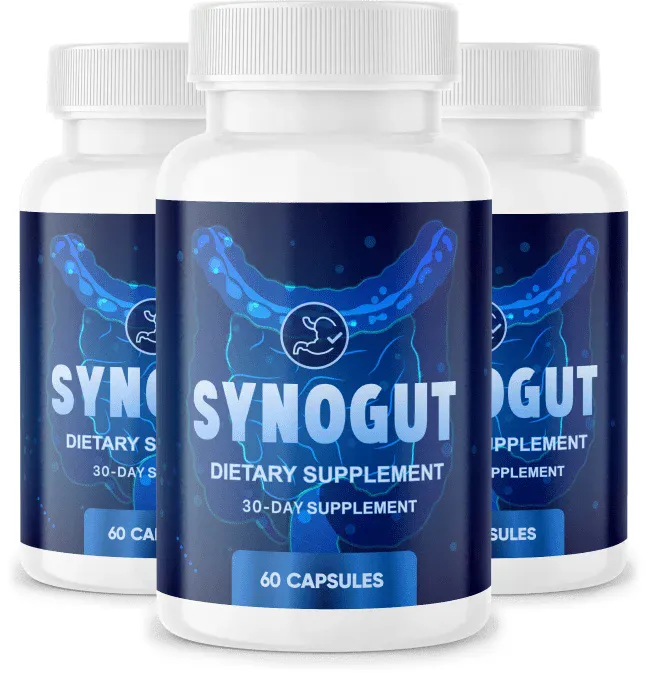
For those seeking comprehensive digestive support, natural supplements can play a valuable role. Products like SynoGut are formulated with a blend of ingredients designed to support various aspects of gut health, complementing your hydration efforts. SynoGut combines essential fiber sources, natural laxatives, probiotics, and prebiotics to help maintain digestive regularity and a balanced gut environment.
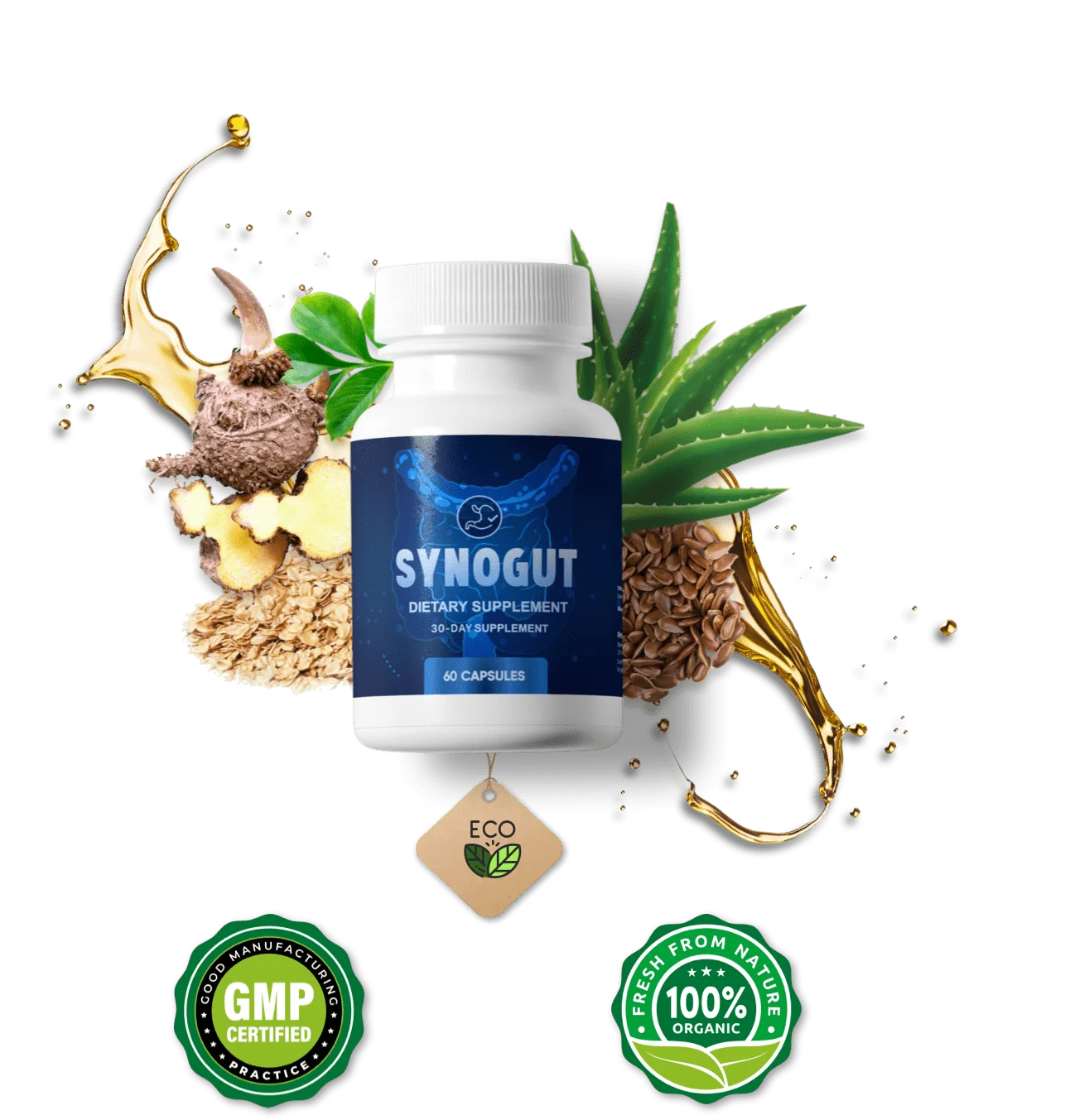
For example, ingredients like Psyllium Husk and Bentonite Clay, found in SynoGut, are known for their ability to absorb water and add bulk to stool, facilitating smoother bowel movements. Probiotics help to replenish beneficial gut bacteria, which thrive in a well-hydrated environment. By combining consistent hydration with a balanced diet and targeted supplements, you can create an optimal internal environment for your digestive system to flourish. Remember that addressing specific concerns like chronic constipation might also involve exploring options like a constipation relief supplement in conjunction with lifestyle changes.
Key Ingredients in SynoGut Supporting Digestive Wellness
SynoGut is crafted with a blend of natural ingredients, each selected for its role in promoting a healthy digestive system, working in harmony with proper hydration.
Psyllium Husk
A bulk-forming fiber that absorbs water in the gut, making stools softer and easier to pass. It promotes regularity and can help relieve both constipation and mild diarrhea, acting as a crucial component for efficient waste elimination when combined with adequate fluid intake.
Bentonite Clay
Known for its ability to absorb toxins and impurities from the digestive tract. It also adds bulk to stool, aiding in the removal of waste and supporting bowel regularity, especially when well-hydrated, helping to cleanse the colon.
Black Walnut
Traditionally used for its potential to support a healthy gut environment and aid in digestion. It contains compounds that may help maintain intestinal integrity and support the body's natural cleansing processes.
Oat Bran
A rich source of soluble fiber, oat bran helps to regulate bowel movements by absorbing water and forming a gel-like substance, contributing to softer stools and promoting a healthy gut microbiome, which thrives in a moist environment.
L. Acidophilus
A beneficial probiotic strain that helps maintain a healthy balance of gut bacteria. It aids in digestion, nutrient absorption, and supports immune function, contributing to an optimal internal environment, especially when the gut is well-hydrated.
Prune Fruit
A natural source of fiber and sorbitol, prune fruit is well-known for its mild laxative effects. It helps to draw water into the colon, promoting softer stools and stimulating bowel movements, providing gentle and natural relief from constipation.
Ready for a Healthier, Happier Gut?
Don't let digestive discomfort hold you back. SynoGut provides a powerful blend of natural ingredients designed to support your digestive health, complement your hydration efforts, and promote overall well-being.
- ✓ Supports Healthy Digestion
- ✓ Promotes Regular Bowel Movements
- ✓ Balances Gut Flora
- ✓ All-Natural, Non-GMO Ingredients
- ✓ Made in the USA, GMP Certified



What Our Customers Are Saying
"I used to struggle with constant bloating and irregular bowel movements. Since I started drinking more water and taking SynoGut, the difference is night and day. I feel lighter and more energetic!"
"As someone with IBS, hydration is critical, but sometimes it's not enough. SynoGut has been a game-changer for managing my symptoms, especially the constipation. It really works well with my increased water intake."
"I was skeptical at first, but after a few weeks, my digestion improved dramatically. I'm more regular, less gassy, and generally feel so much better. Staying hydrated and SynoGut is my new secret weapon!"
Frequently Asked Questions
Why is water so crucial for my digestive system?
+Water is essential for nearly every digestive process, from forming saliva and breaking down food to transporting nutrients and forming soft, easily passable stools. Without adequate water, your digestive system struggles to perform these vital functions efficiently.
Can dehydration worsen Irritable Bowel Syndrome (IBS) symptoms?
+Yes, dehydration can significantly exacerbate IBS symptoms, particularly constipation-predominant IBS (IBS-C). Insufficient water intake can lead to harder stools, increased straining, and more severe abdominal discomfort and bloating. Staying hydrated is a simple yet powerful strategy for managing IBS.
How much water should I drink daily for optimal gut health?
+General guidelines suggest around eight 8-ounce glasses (about 2 liters) per day, but individual needs vary based on activity level, climate, and overall health. Listen to your body, and aim for light yellow urine. If you have specific health conditions, consult your doctor for personalized advice.
Does SynoGut help with hydration for gut health?
+While SynoGut itself is not a hydration product, its blend of natural ingredients, including fiber sources like Psyllium Husk and Bentonite Clay, works synergistically with adequate water intake to promote healthy digestion and regular bowel movements. These fibers need water to swell and move waste efficiently through your system. SynoGut supports the internal environment where hydration can be most effective.
What are the signs that my gut health is suffering due to dehydration?
+Common signs include chronic constipation, hard and difficult-to-pass stools, bloating, gas, and a general feeling of sluggishness or indigestion. You might also notice symptoms like dry mouth, infrequent urination, and fatigue, which are broader indicators of dehydration affecting your entire body, including your gut.
Are there other ways to improve my gut health alongside staying hydrated?
+Absolutely. Besides adequate hydration, a balanced diet rich in fiber, prebiotics, and probiotics is key. Regular physical activity, stress management, and sufficient sleep also play crucial roles. Supplements like SynoGut, with its natural blend of fibers, probiotics, and prebiotics, can further support digestive balance when combined with a healthy lifestyle.
Related Articles