Are You Confusing Celiac Disease with Gluten Sensitivity?
In the vast landscape of digestive health, few topics generate as much confusion and debate as gluten-related disorders. Many individuals experience uncomfortable symptoms after consuming gluten, leading them to self-diagnose or explore restrictive diets. However, not all reactions to gluten are the same, and understanding the distinct differences between celiac disease and non-celiac gluten sensitivity is paramount for effective management and long-term gut health.
This comprehensive guide, authored by a digestive health researcher and reviewed by a board-certified gastroenterologist, aims to demystify these conditions, providing you with the knowledge to identify the true underlying cause of their digestive distress and make informed decisions about your well-being.

Understanding Celiac Disease: An Autoimmune Battle
Celiac disease is far more than just a food intolerance; it's a serious, chronic autoimmune disorder that affects genetically predisposed individuals. When someone with celiac disease consumes gluten – a protein found in wheat, barley, and rye – their immune system mistakenly attacks the lining of their small intestine.
This immune reaction causes damage to the villi, the finger-like projections that line the small intestine and are responsible for nutrient absorption. Over time, this damage, known as villous atrophy, can lead to malabsorption of vital nutrients, resulting in a wide range of symptoms and potential long-term health complications. It is crucial to understand that celiac disease is not an allergy, but an autoimmune response.
Symptoms of Celiac Disease
The symptoms of celiac disease are incredibly diverse and can vary significantly from person to person. While some individuals experience classic digestive symptoms, others may have "silent" celiac disease with minimal or no digestive complaints. Common symptoms include:
- Digestive Symptoms: Chronic diarrhea, constipation, bloating, gas, abdominal pain, nausea, vomiting, and unexplained weight loss. These often overlap with symptoms of Irritable Bowel Syndrome (IBS), making accurate diagnosis essential.
- Non-Digestive Symptoms: Fatigue, anemia (due to iron malabsorption), skin rashes (dermatitis herpetiformis), joint pain, headaches, mouth ulcers, nerve damage, bone density loss (osteoporosis), and even neurological or psychological issues like anxiety and depression. Children may experience growth delays and irritability.
Diagnosis of Celiac Disease
Accurate diagnosis is critical for celiac disease, as it requires a lifelong strict gluten-free diet. The diagnostic process typically involves:
- Blood Tests: Screening for specific antibodies, such as tissue transglutaminase IgA (tTG-IgA) and endomysial antibodies (EMA). It's vital that the individual is consuming gluten regularly during these tests for accurate results.
- Endoscopy with Biopsy: If blood tests are positive, a gastroenterologist will usually perform an upper endoscopy to take small tissue samples from the small intestine. These biopsies are examined for villous atrophy and other characteristic changes.
- Genetic Testing: While not diagnostic on its own, genetic testing for HLA-DQ2 and HLA-DQ8 genes can rule out celiac disease. If these genes are absent, celiac disease is highly unlikely.
It's important to stress that you should never start a gluten-free diet before being tested for celiac disease, as doing so can lead to false-negative results and delay an accurate diagnosis.
💡 Key Takeaway
Celiac disease is a severe autoimmune condition causing intestinal damage upon gluten consumption. Its diagnosis requires specific blood tests and biopsies while still consuming gluten. Untreated celiac can lead to malabsorption and various health issues, including worsened IBS symptoms.
Non-Celiac Gluten Sensitivity (NCGS): A Different Kind of Reaction
Unlike celiac disease, non-celiac gluten sensitivity (NCGS), sometimes referred to as gluten intolerance, is not an autoimmune disorder and does not cause the same type of intestinal damage. However, individuals with NCGS experience similar symptoms after consuming gluten, which improve significantly when gluten is removed from their diet.
The exact mechanism behind NCGS is still being researched, but it's believed to involve a different type of immune response or a reaction to other components in wheat, such as FODMAPs (fermentable oligo-, di-, mono-saccharides and polyols), rather than gluten itself. Many of the symptoms of NCGS closely mimic those of Irritable Bowel Syndrome (IBS), making it a common misdiagnosis or co-existing condition.
Symptoms of Non-Celiac Gluten Sensitivity
Symptoms of NCGS often overlap with those of celiac disease and IBS, making it challenging to differentiate without proper testing. They typically occur hours or days after gluten ingestion and include:
- Digestive Symptoms: Abdominal pain, bloating, gas, diarrhea, constipation, and nausea. These are often the primary complaints and are indistinguishable from IBS.
- Non-Digestive Symptoms: Fatigue, "brain fog," headaches, joint and muscle pain, skin rashes, numbness in the extremities, and depression or anxiety.
Diagnosis of Non-Celiac Gluten Sensitivity
Diagnosing NCGS is a process of exclusion. There are no specific biomarkers or diagnostic tests for NCGS, as there are for celiac disease. The diagnostic pathway typically involves:
- Exclusion of Celiac Disease: First and foremost, celiac disease must be definitively ruled out through blood tests and, if indicated, an endoscopy with biopsy.
- Exclusion of Wheat Allergy: A wheat allergy, which is an immediate IgE-mediated immune response, also needs to be ruled out through allergy testing.
- Gluten Elimination and Reintroduction: If celiac disease and wheat allergy are ruled out, a supervised gluten-free diet is initiated. If symptoms improve on this diet and then return upon reintroducing gluten (in a blinded fashion, if possible), a diagnosis of NCGS may be made.
Managing NCGS primarily involves adhering to a gluten-free diet, similar to celiac disease, to alleviate symptoms. However, the strictness of the diet can sometimes be less rigid than for celiac disease, depending on individual tolerance levels.
💡 Key Takeaway
Non-celiac gluten sensitivity (NCGS) causes celiac-like symptoms without intestinal damage or an autoimmune response. It's diagnosed by ruling out celiac disease and wheat allergy, then observing symptom improvement on a gluten-free diet and recurrence upon reintroduction. Many NCGS symptoms are identical to Irritable Bowel Syndrome (IBS).
Celiac Disease vs. Gluten Sensitivity: The Core Differences
While both conditions necessitate a gluten-free diet for symptom relief, understanding their fundamental distinctions is crucial for proper treatment and managing expectations. Here’s a breakdown of the key differences:
Autoimmune Response
Celiac Disease: It is an autoimmune disease where the body's immune system attacks its own tissues (the small intestine) in response to gluten. This leads to chronic inflammation and damage. Gluten Sensitivity: It does not involve an autoimmune reaction. While an immune response may be involved, it does not lead to the self-destructive attack on the small intestine typical of celiac disease.
Intestinal Damage
Celiac Disease: Characterized by villous atrophy, which impairs nutrient absorption and can lead to malnutrition and other systemic health problems. This damage is detectable via biopsy. Gluten Sensitivity: Does not cause observable damage to the small intestine. Biopsies of the small intestine in individuals with NCGS typically appear normal.
Diagnostic Markers
Celiac Disease: Can be reliably diagnosed through specific blood tests (antibody markers like tTG-IgA) and confirmed with a small intestinal biopsy. Gluten Sensitivity: Lacks specific diagnostic biomarkers. Diagnosis is made by exclusion of celiac disease and wheat allergy, followed by symptom improvement on a gluten-free diet and recurrence upon gluten reintroduction.
Long-Term Health Risks
Celiac Disease: If untreated, it carries significant long-term health risks, including increased risk of other autoimmune diseases, certain cancers (like intestinal lymphoma), osteoporosis, and neurological issues. Gluten Sensitivity: While it can significantly impair quality of life due to uncomfortable symptoms, it is not currently associated with the same severe long-term health complications or increased mortality risk as celiac disease.
Genetic Predisposition
Celiac Disease: Has a strong genetic component, specifically linked to HLA-DQ2 and HLA-DQ8 genes. While these genes are necessary, they are not sufficient for developing the disease. Gluten Sensitivity: While some genetic factors may play a role, the genetic link is not as clearly defined or as strong as in celiac disease.
The Overlap with Irritable Bowel Syndrome (IBS)
One of the most challenging aspects of distinguishing between gluten-related disorders is their significant symptomatic overlap with Irritable Bowel Syndrome (IBS). IBS is a functional gastrointestinal disorder characterized by chronic abdominal pain, bloating, gas, and altered bowel habits (diarrhea, constipation, or both) without any visible signs of damage or disease in the digestive tract.
Many individuals with NCGS are often initially diagnosed with IBS because their symptoms are virtually identical. Conversely, some people diagnosed with IBS may actually have undiagnosed NCGS or even celiac disease. This highlights the critical importance of proper diagnostic testing to rule out celiac disease before assuming an IBS or NCGS diagnosis. For those with IBS, identifying specific food triggers, including gluten, can be a cornerstone of managing their condition. Exploring solutions that help to support and heal the gut lining naturally can also be beneficial, as discussed in our article on foods that heal the gut lining naturally.
How Gut Health Impacts Gluten Reactions and IBS
Regardless of whether one has celiac disease, NCGS, or IBS, the underlying health of the gut plays a pivotal role in how the body reacts to food and other environmental factors. A healthy gut microbiome – the trillions of bacteria living in your digestive tract – is essential for proper digestion, nutrient absorption, and immune function. Imbalances in the gut microbiome, often referred to as dysbiosis, can contribute to:
- Increased Gut Permeability ("Leaky Gut"): A compromised gut barrier can allow undigested food particles, toxins, and microbes to leak into the bloodstream, triggering systemic inflammation and potentially exacerbating autoimmune responses or sensitivities.
- Inflammation: Chronic low-grade inflammation in the gut can worsen digestive symptoms and contribute to the discomfort experienced by those with IBS and NCGS.
- Impaired Digestion: A lack of beneficial bacteria can hinder the efficient breakdown and absorption of nutrients, leading to gas, bloating, and other digestive issues.
Therefore, focusing on holistic gut health – through diet, lifestyle, and targeted supplementation – is a beneficial strategy for anyone experiencing digestive discomfort, whether it's related to gluten, IBS, or other factors. Many individuals find relief through natural supplements designed to support digestive function. You can learn more about how to choose an effective supplement in our guide, IBS Supplement: Natural Relief for Digestive Discomfort.
Beyond Gluten: Strategies for Optimal Gut Health
While addressing gluten is crucial for celiac disease and NCGS, true digestive wellness extends beyond a single dietary restriction. Cultivating a healthy gut environment is a holistic endeavor that can significantly improve quality of life for those with gluten issues, IBS, or general digestive discomfort.
Embrace a Fiber-Rich Diet
Dietary fiber, particularly soluble fiber, is vital for gut health. It acts as a prebiotic, feeding beneficial gut bacteria and promoting regular bowel movements. Focus on gluten-free sources like fruits, vegetables, legumes, and whole grains (oats, brown rice, quinoa).
Incorporate Probiotics & Prebiotics
Probiotics introduce beneficial bacteria to the gut, while prebiotics nourish them. Fermented foods (yogurt, kimchi, sauerkraut) are good sources of probiotics. Prebiotics are found in foods like garlic, onions, asparagus, and bananas. Supplements can also be effective.
Stay Adequately Hydrated
Water is essential for digestion, helping to soften stool and facilitate its passage through the digestive tract. Dehydration can exacerbate constipation, a common symptom in both IBS and gluten sensitivity.
Manage Stress Effectively
The gut-brain axis is powerful. Stress can directly impact gut motility, inflammation, and the gut microbiome. Practices like meditation, yoga, deep breathing, and regular exercise are crucial for digestive well-being.
Identify & Avoid Other Triggers
Beyond gluten, many individuals with sensitive guts or IBS react to other foods (like high-FODMAP foods, dairy, soy) or lifestyle factors. Keeping a food and symptom diary can help pinpoint personal triggers.
Natural Support for Digestive Balance: Introducing SynoGut
While dietary and lifestyle changes form the foundation of gut health, some individuals seek additional support to optimize their digestive system, especially when dealing with persistent issues like those stemming from gluten sensitivity or IBS. This is where natural supplements, formulated with science-backed ingredients, can play a supportive role.
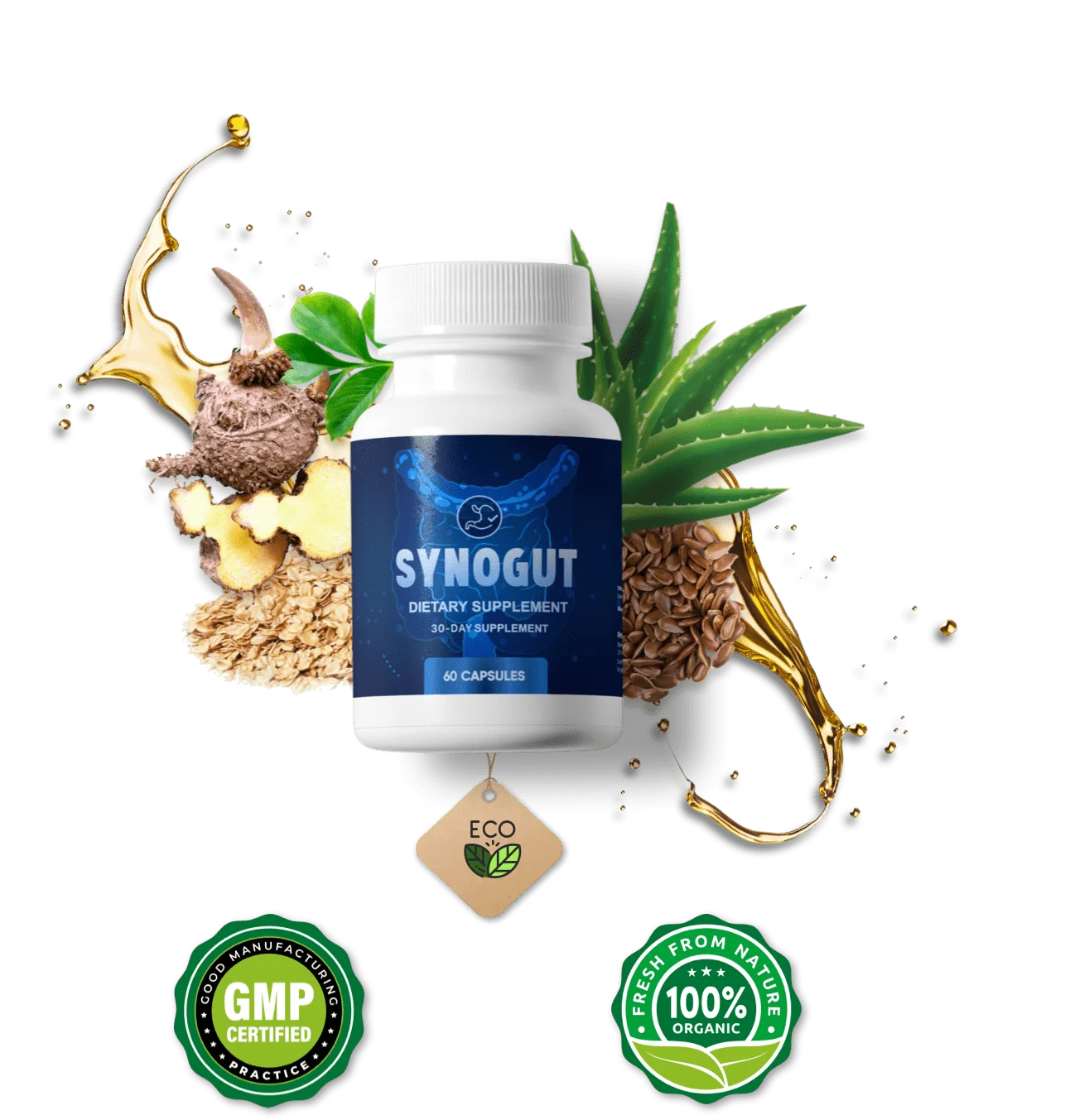
SynoGut is a dietary supplement designed to support a healthy digestive system, promote regular bowel movements, and help maintain a balanced gut microbiome. It combines a blend of natural fibers, probiotics, prebiotics, and herbal extracts, each chosen for its known benefits in digestive wellness. It's important to remember that SynoGut is not intended to diagnose, treat, cure, or prevent any disease, including celiac disease, but rather to provide comprehensive support for overall gut health, which can in turn help manage symptoms of digestive discomfort. You can read an in-depth analysis of its efficacy in our article, Is SynoGut Worth It? An Honest Review.
Key Natural Ingredients for Digestive Wellness
SynoGut is formulated with a blend of natural ingredients, each selected for its scientifically recognized role in supporting a healthy digestive system and promoting overall gut balance.
Psyllium Husk
Role: A bulk-forming laxative, it absorbs water in the gut, forming a gel that helps regulate bowel movements and can relieve both constipation and diarrhea. It also acts as a prebiotic.
Bentonite Clay
Role: Known for its ability to absorb toxins and impurities from the digestive tract. It can help cleanse the colon and support a healthier gut environment.
Black Walnut
Role: Traditionally used for its natural cleansing properties, it may help in maintaining gut flora balance and supporting intestinal health.
Oat Bran
Role: A rich source of soluble fiber, it aids in regulating digestion, lowering cholesterol, and promoting satiety. It's gentle on the digestive system.
Flaxseed
Role: Provides both soluble and insoluble fiber, supporting regular bowel movements and contributing to a healthy gut microbiome. Also a source of Omega-3 fatty acids.
Prune
Role: A natural laxative, prunes are rich in fiber and sorbitol, which help relieve constipation and promote digestive regularity.
Aloe Vera
Role: Known for its soothing and anti-inflammatory properties, aloe vera can help calm digestive irritation and support the integrity of the gut lining.
L. acidophilus
Role: A well-known probiotic strain, Lactobacillus acidophilus helps maintain a healthy balance of gut bacteria, supports digestion, and can boost immune function.
Apple Pectin
Role: A soluble fiber that acts as a prebiotic, feeding beneficial gut bacteria. It can help regulate bowel movements and detoxify the gut.
Glucomannan
Role: A dietary fiber that can absorb large amounts of water, helping to promote feelings of fullness, regulate blood sugar, and support healthy bowel function.
Experience the Difference with SynoGut for Optimal Digestive Health
If you're seeking natural support for your digestive system, SynoGut offers a carefully formulated blend of ingredients designed to promote gut balance, regularity, and comfort. Don't let digestive issues hold you back from living your best life.
- ✓ Supports a Healthy Digestive System
- ✓ Promotes Regular Bowel Movements
- ✓ Balances Gut Microbiome with Probiotics
- ✓ Made with 100% Natural Ingredients
- ✓ Manufactured in FDA-Registered, GMP-Certified Facility




What Our Customers Say About SynoGut
"I've struggled with bloating and irregular digestion for years, often feeling worse after certain meals. Since starting SynoGut, I feel lighter and more comfortable. It's made a noticeable difference in my daily life."
"As someone with gluten sensitivity, finding something that truly supports my gut has been a journey. SynoGut has helped me feel more balanced and less reactive. I highly recommend it for anyone looking for natural digestive support."
"My IBS symptoms have been a constant battle, but after a few weeks on SynoGut, I've experienced much more regularity and less discomfort. It's not a cure, but it's definitely a valuable part of my routine for managing my gut health."
Frequently Asked Questions
What is the main difference between celiac disease and gluten sensitivity?
+Celiac disease is an autoimmune condition where gluten triggers an immune response that damages the small intestine. Non-celiac gluten sensitivity (NCGS) involves similar symptoms to celiac, but without the autoimmune reaction or intestinal damage. Both require a gluten-free diet for symptom management, but their underlying mechanisms differ significantly.
Can gluten sensitivity cause Irritable Bowel Syndrome (IBS) symptoms?
+Yes, non-celiac gluten sensitivity (NCGS) often presents with symptoms that strongly overlap with Irritable Bowel Syndrome (IBS), including bloating, abdominal pain, diarrhea, and constipation. For many individuals, gluten can be a significant trigger for their IBS-like symptoms, even if they don't have celiac disease. Identifying and avoiding these triggers is key to managing both conditions effectively.
How is celiac disease diagnosed?
+Celiac disease diagnosis typically involves blood tests to check for specific antibodies (tTG-IgA, EMA) followed by an endoscopy with biopsy of the small intestine. It's crucial to be consuming gluten during the testing phase for accurate results, as a gluten-free diet can mask the signs of the disease.
Is a gluten-free diet always necessary for gut health?
+A strictly gluten-free diet is essential for individuals with diagnosed celiac disease or non-celiac gluten sensitivity to manage symptoms and prevent intestinal damage. However, for those without these conditions, there's no strong evidence that a gluten-free diet offers additional gut health benefits. In fact, it can sometimes lead to reduced intake of beneficial fibers and nutrients found in whole grains. Consult a healthcare professional before making significant dietary changes.
What role do probiotics play in managing gluten-related gut issues?
+Probiotics can play a supportive role in managing gut issues related to both celiac disease and gluten sensitivity by helping to restore a healthy gut microbiome, reduce inflammation, and improve nutrient absorption. While they cannot cure these conditions, a balanced gut flora can alleviate symptoms like bloating and discomfort, contributing to overall digestive wellness. Many natural supplements, including SynoGut, incorporate beneficial probiotic strains.
How can I naturally support my gut health if I have gluten sensitivity or IBS?
+Beyond a gluten-free diet (if applicable), supporting gut health involves a holistic approach. This includes consuming a diet rich in fiber (from fruits, vegetables, and gluten-free grains), staying hydrated, managing stress, getting regular exercise, and considering natural supplements. Probiotics, prebiotics, and digestive enzymes can be beneficial. Products like SynoGut are formulated with a blend of natural ingredients designed to aid digestion and promote a healthy gut environment.
Related Articles