Feeling sluggish, bloated, or constantly battling digestive discomfort?
You're not alone. In our fast-paced world, digestive issues have become increasingly common, affecting millions globally. From occasional heartburn to chronic conditions like Irritable Bowel Syndrome (IBS), an unhappy gut can significantly diminish your quality of life.
The good news is that you hold the power to transform your digestive health through natural, sustainable strategies. This comprehensive guide will empower you with practical advice on diet, fiber intake, probiotic supplementation, and lifestyle adjustments to help you achieve a happier, healthier gut naturally.
The Foundation of Good Health: Understanding Your Digestive System
Your digestive system is far more than just a food processor; it's a complex network that influences everything from your energy levels and mood to your immune function and skin health. When it's not working optimally, the ripple effects can be felt throughout your entire body.
At its core, digestion is the process of breaking down food into nutrients that the body can absorb and use for energy, growth, and repair. This intricate process involves a vast array of organs, enzymes, and a bustling community of microorganisms collectively known as the gut microbiome. A balanced microbiome, rich in diverse beneficial bacteria, is the cornerstone of robust digestive health. Disruptions, often caused by poor diet, stress, or certain medications, can lead to uncomfortable symptoms and contribute to chronic conditions like Irritable Bowel Syndrome (IBS).
Recognizing the signs of an unhealthy gut is the first step toward improvement. Symptoms can range from bloating, gas, and constipation or diarrhea to less obvious indicators like fatigue, skin issues, and frequent illness. By understanding these signals, we can begin to implement targeted natural strategies to restore balance and function.
💡 Key Takeaway
Your digestive health is central to overall well-being. A balanced gut microbiome is crucial, and understanding your body's signals is key to addressing digestive discomfort and conditions like IBS naturally.
Dietary Fiber: The Unsung Hero of Digestion
Fiber is perhaps the single most important nutrient for a healthy digestive system, yet most adults don't consume enough of it. It's the indigestible part of plant foods that plays a crucial role in keeping your gut happy and regular.
Soluble Fiber: Your Gut's Gentle Helper
Soluble fiber dissolves in water to form a gel-like substance. This slows down digestion, helping to regulate blood sugar levels and lower cholesterol. It also feeds beneficial gut bacteria, acting as a prebiotic to support a diverse microbiome. Excellent sources include oats, barley, nuts, seeds, beans, lentils, and many fruits and vegetables like apples and carrots.
Insoluble Fiber: The Gut Scrubber
Insoluble fiber does not dissolve in water. Instead, it adds bulk to your stool and helps food pass more quickly through your stomach and intestines. This is vital for preventing constipation and promoting regular bowel movements. You can find insoluble fiber in whole grains (wheat bran, whole wheat flour), vegetables (green beans, cauliflower), and fruit skins.
How Much Fiber Do You Need?
Adults should aim for 25-35 grams of fiber per day. Most people fall short. Gradually increasing your fiber intake is key to avoid discomfort like gas and bloating. Always remember to increase your water intake alongside fiber to help it move smoothly through your system. Integrating a variety of fiber-rich foods ensures you get both types and a broad spectrum of nutrients.
Fiber for IBS Management
For individuals with IBS, fiber intake needs careful consideration. While fiber is generally beneficial, some types can exacerbate symptoms. Soluble fiber is often better tolerated and can help regulate bowel habits for both constipation-predominant and diarrhea-predominant IBS. Insoluble fiber might trigger symptoms in some, so it's best to introduce it slowly and observe your body's response.
Incorporating fiber into your diet doesn't have to be complicated. Start by swapping white bread for whole-grain options, adding a handful of berries to your breakfast, or snacking on almonds. Small changes can lead to significant improvements in your digestive comfort and regularity.
The Power of Probiotics and Prebiotics for a Balanced Gut
Beyond fiber, the microscopic inhabitants of your gut play a monumental role in your digestive and overall health. Probiotics and prebiotics are two key players in fostering a thriving gut microbiome.
Probiotics are live beneficial bacteria and yeasts that naturally reside in your gut. They help maintain a healthy balance, fight off harmful pathogens, aid in nutrient absorption, and even influence mood through the gut-brain axis. Including probiotic-rich foods in your diet is an excellent way to support this internal ecosystem. Examples include fermented foods like yogurt with live cultures, kefir, sauerkraut, kimchi, miso, and tempeh.
Prebiotics, on the other hand, are specialized plant fibers that act as food for your gut's good bacteria. They are non-digestible compounds that stimulate the growth and activity of beneficial microorganisms. Think of them as the fertilizer for your gut garden. Great sources of prebiotics include garlic, onions, leeks, asparagus, bananas, apples, and chicory root. Combining prebiotics and probiotics (often called synbiotics) can create a powerful synergy for gut health.
For those with conditions like Irritable Bowel Syndrome, specific probiotic strains have shown promise in alleviating symptoms such as bloating, gas, and abdominal pain. It's often recommended to consult a healthcare professional to determine the most suitable strains and dosages. While dietary sources are beneficial, a high-quality probiotic supplement can provide a concentrated dose of targeted strains, especially when recovering from antibiotic use or managing chronic digestive issues.
Beyond Diet: Lifestyle Factors for Optimal Digestion
Achieving excellent digestive health isn't solely about what you eat; it's also about how you live. Several lifestyle factors significantly impact your gut's function and overall well-being.
Stay Hydrated
Water is essential for digestion. It helps break down food, allows nutrients to be absorbed, and keeps stool soft, preventing constipation. Aim for at least 8 glasses of water daily, and more if you're active or in a hot climate.
Mindful Eating
Slow down and chew your food thoroughly. Digestion begins in the mouth, and proper chewing reduces the burden on your stomach and intestines. Eating mindfully can also help you recognize your body's fullness cues, preventing overeating.
Regular Exercise
Physical activity stimulates the muscles of your intestines, helping to move food through your digestive system more efficiently. Even a brisk walk can make a difference in reducing constipation and improving overall gut motility.
Manage Stress
The gut-brain axis is a powerful connection. Stress can significantly impact digestion, leading to symptoms like indigestion, stomach cramps, and altered bowel habits, especially for those with IBS. Incorporate stress-reduction techniques like meditation, yoga, deep breathing, or spending time in nature.
Prioritize Sleep
Adequate sleep is crucial for your entire body, including your digestive system. Poor sleep can disrupt gut flora balance and exacerbate digestive issues. Aim for 7-9 hours of quality sleep per night.
Identify Food Sensitivities
Many digestive problems stem from sensitivities to certain foods. Keep a food diary to track what you eat and any symptoms you experience. Common culprits include gluten, dairy, FODMAPs, and artificial sweeteners. Eliminating these temporarily and reintroducing them can help pinpoint triggers.
By integrating these lifestyle habits alongside a fiber-rich, probiotic-friendly diet, you create a holistic approach to nurturing your digestive health. Remember that consistency is key, and patience is a virtue when it comes to seeing lasting improvements.
Natural Ingredients for Digestive Support: What to Look For
For those seeking additional support for their digestive journey, natural supplements can play a valuable role. Many ingredients found in nature have been traditionally used and scientifically studied for their beneficial effects on the gut.
When considering a supplement, look for those that contain a blend of ingredients known to support various aspects of digestive health. These often include a combination of fibers, prebiotics, probiotics, and other natural compounds. For instance, some of the most effective ingredients include:
- Psyllium Husk: A highly effective source of soluble fiber, known for promoting regularity and softening stool. It can be particularly helpful for constipation.
- Bentonite Clay: Often used for its ability to absorb toxins and impurities from the digestive tract, aiding in detoxification and promoting gut cleansing.
- Black Walnut: Contains compounds that support gut health and have historically been used to maintain a healthy internal environment.
- Oat Bran: Another excellent source of both soluble and insoluble fiber, contributing to bulk and promoting healthy bowel movements.
- Flaxseed: Rich in omega-3 fatty acids and both soluble and insoluble fiber, beneficial for regularity and reducing inflammation.
- Prune Fruit Concentrate: A natural laxative and fiber source, effective for relieving occasional constipation.
- Aloe Vera: Known for its soothing properties, it can help calm the digestive tract and reduce inflammation.
- L. Acidophilus: A well-known probiotic strain that helps maintain a healthy balance of gut bacteria, supports nutrient absorption, and boosts immune function.
- Apple Pectin: A soluble fiber found in apples, it acts as a prebiotic, feeding beneficial gut bacteria.
- Glucomannan: A soluble dietary fiber that absorbs water, forming a viscous gel that aids in satiety and promotes regular bowel movements.
These ingredients work synergistically to address common digestive concerns, from supporting a balanced microbiome to ensuring regular bowel function. Choosing a supplement with a thoughtful combination of these natural components can provide comprehensive support for your gut. For more ideas on effective remedies, you might want to explore articles on digestive health remedies that work, which often highlight such natural compounds.
Introducing SynoGut: Your Natural Partner for Digestive Harmony
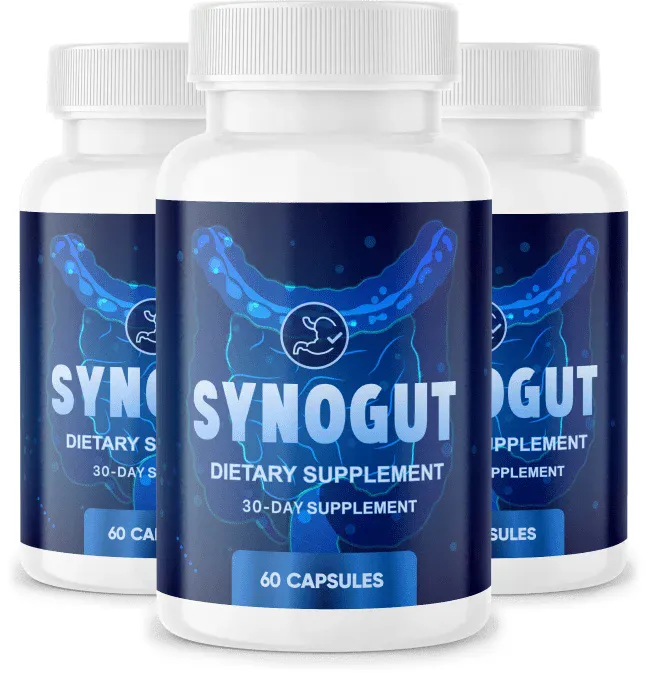
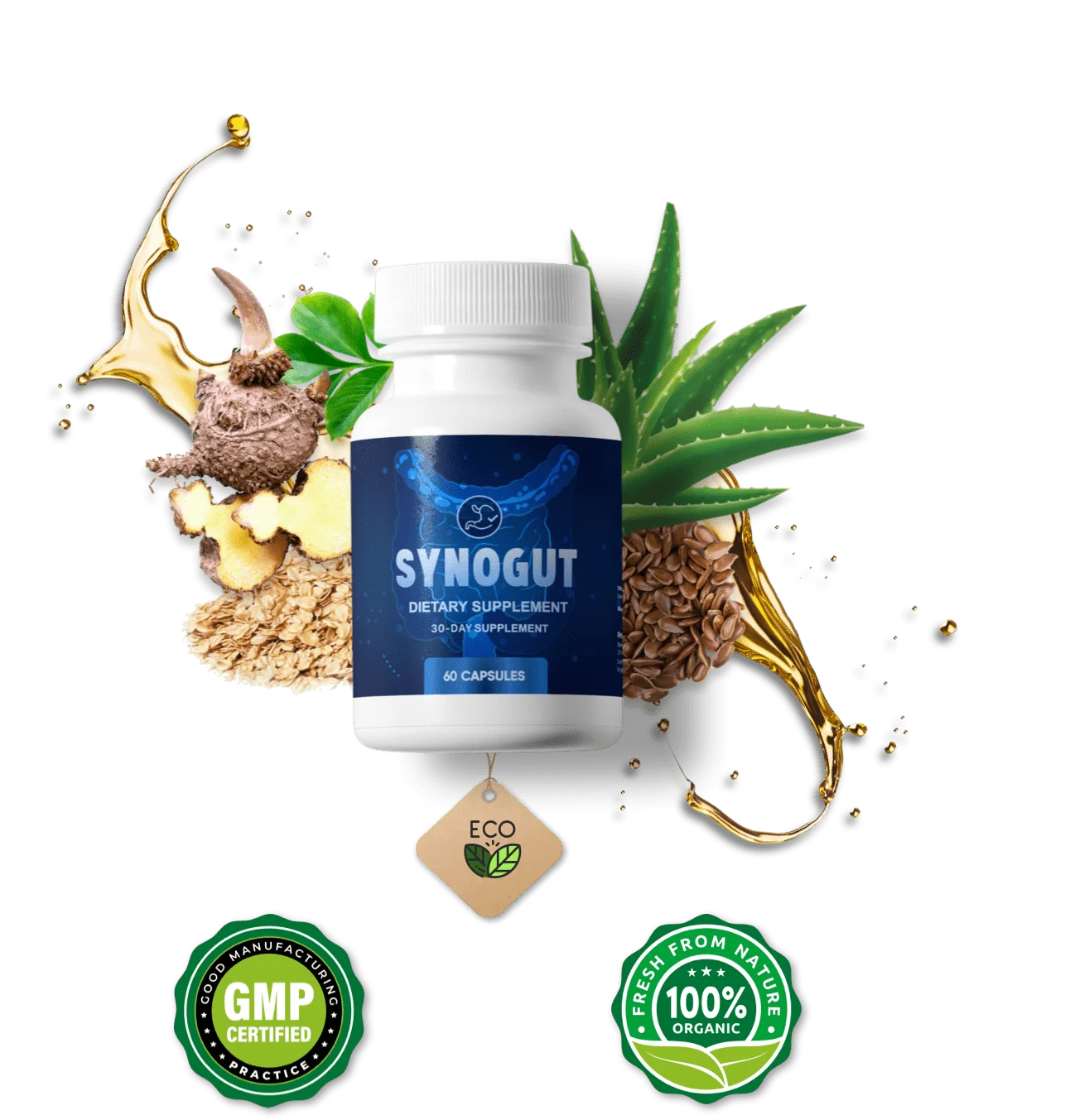
If you're committed to improving your digestive health naturally but find it challenging to get all the necessary nutrients from diet alone, SynoGut offers a powerful, all-natural solution. Formulated with a blend of potent fibers, prebiotics, probiotics, and other gut-supporting ingredients, SynoGut is designed to work in harmony with your body to promote optimal digestive function.
- Supports healthy bowel movements and regularity
- Promotes a balanced gut microbiome
- Aids in nutrient absorption and overall digestive comfort
- Made with 100% natural, plant-based ingredients
- Manufactured in an FDA-approved, GMP-certified facility




Integrating SynoGut into Your Natural Digestive Health Regimen
SynoGut is designed to complement your efforts in improving digestive health naturally, not replace them. It acts as a supportive tool, providing concentrated doses of key ingredients that might be difficult to obtain consistently through diet alone.
For instance, while you strive to consume a wide range of fiber-rich foods, SynoGut offers a blend of psyllium, bentonite clay, and oat bran to ensure you're meeting your daily fiber needs, which is crucial for preventing conditions like constipation. Similarly, while fermented foods are excellent probiotic sources, SynoGut's inclusion of L. Acidophilus provides a specific, well-researched strain to bolster your gut flora. This can be especially beneficial if you're experiencing symptoms of Irritable Bowel Syndrome (IBS), where a balanced microbiome is essential for symptom management. You can learn more about targeted solutions on our page about constipation relief supplements.
Think of SynoGut as an amplifier for your healthy habits. It helps bridge nutritional gaps and provides a consistent supply of gut-friendly compounds. By combining a diet rich in whole foods, adequate hydration, regular exercise, stress management, and the targeted support of SynoGut, you create a powerful synergy that promotes optimal digestion and overall well-being. This comprehensive approach is key to achieving lasting relief from digestive discomfort and maintaining a vibrant, healthy gut.
What Our Customers Are Saying About SynoGut
"I've struggled with bloating and irregular digestion for years, especially with my IBS. After incorporating SynoGut, I've noticed a significant improvement in my comfort and regularity. It feels like my gut is finally happy!"
"I was skeptical at first, but SynoGut has truly made a difference. My energy levels are up, and I no longer feel weighed down after meals. It's an excellent addition to my healthy lifestyle."
"As someone who travels frequently, my digestion can get quite disrupted. SynoGut has been a lifesaver, helping me maintain regularity and avoid discomfort even on the go. Highly recommend!"
Conclusion: Embrace a Naturally Healthier Gut
Embarking on a journey to improve your digestive health naturally is one of the most impactful steps you can take for your overall well-being. By understanding the vital role of diet, fiber, probiotics, and lifestyle choices, you gain the knowledge and tools to nurture your gut from within.
Remember that consistency and patience are key. Small, sustainable changes over time will yield the most significant results. Start by gradually increasing your fiber intake, incorporating more fermented foods, staying well-hydrated, managing stress, and getting enough sleep. For those seeking an extra boost, a high-quality, natural supplement like SynoGut can provide targeted support, ensuring your gut receives a comprehensive blend of beneficial ingredients.
Don't let digestive discomfort dictate your life. Empower yourself with these natural strategies and take proactive steps towards a happier, healthier gut. Your body will thank you for it, and you'll experience improved energy, mood, and overall vitality. If you're ready to take the next step in transforming your digestive health, consider exploring the natural support that SynoGut offers.
Frequently Asked Questions
What is the most important dietary change for better digestion?
+Increasing your intake of diverse dietary fiber, both soluble and insoluble, is paramount. Fiber adds bulk to stool, aids regular bowel movements, and feeds beneficial gut bacteria, crucial for overall digestive health.
How do probiotics contribute to a healthy gut?
+Probiotics are live microorganisms that, when consumed in adequate amounts, confer a health benefit on the host. They help balance the gut microbiome, support immune function, produce beneficial compounds, and can alleviate symptoms of digestive discomfort like bloating and irregular bowel movements.
Can natural methods truly help with conditions like Irritable Bowel Syndrome (IBS)?
+Absolutely. While IBS management often requires a multi-faceted approach, natural methods like dietary modifications (e.g., low-FODMAP diet), increased fiber, probiotic supplementation, stress reduction techniques, and regular exercise can significantly reduce symptoms and improve quality of life for many individuals with IBS.
What role does hydration play in digestive health?
+Proper hydration is fundamental for digestion. Water helps break down food, allows nutrients to be absorbed, and keeps stool soft, preventing constipation. It's essential for the optimal functioning of your entire gastrointestinal tract.
Are there specific foods I should avoid for better digestion?
+Foods that often trigger digestive issues include highly processed foods, excessive sugar, unhealthy fats, and artificial additives. For some, dairy, gluten, or specific high-FODMAP foods can also cause problems. Identifying your personal triggers is key.
How can SynoGut support my natural digestive health efforts?
+SynoGut is formulated with a blend of natural ingredients, including various fibers, probiotics, and prebiotics, designed to complement a healthy diet and lifestyle. It aims to support gut microbiome balance, regular bowel function, and overall digestive comfort, acting as a convenient addition to your natural health regimen.
Related Articles