Have Antibiotics Left Your Gut Feeling Out of Balance?
Antibiotics are powerful medications designed to combat bacterial infections, but their broad-spectrum action often comes at a cost: significant disruption to your delicate gut microbiome. This imbalance can lead to a host of digestive issues, particularly for individuals managing conditions like Irritable Bowel Syndrome (IBS).
Understanding how to effectively reverse this damage and restore your gut flora is crucial for long-term digestive well-being and overall health. In this in-depth guide, we'll explore the impact of antibiotics on your gut, proven strategies for microbiome restoration, and how targeted support can help you regain balance.
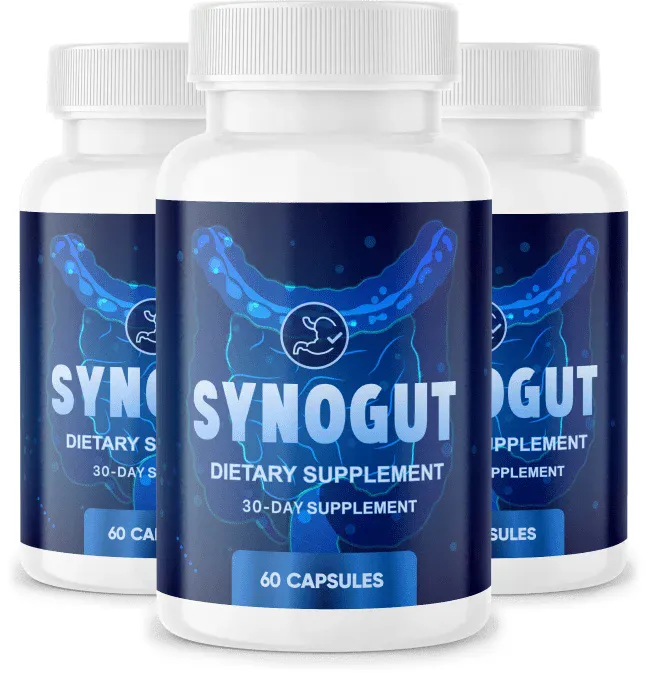
The Unseen Impact: How Antibiotics Disrupt Your Gut Microbiome
While antibiotics are life-saving medications, their broad-spectrum action doesn't differentiate between harmful pathogens and beneficial bacteria. This indiscriminate killing can have profound, lasting effects on your gut health.
When you take antibiotics, they target and destroy a wide range of bacteria in your body, including the trillions of microorganisms that make up your gut microbiome. This diverse community of bacteria, fungi, viruses, and other microbes plays a critical role in digestion, nutrient absorption, immune function, and even mood regulation. The reduction in beneficial bacteria and the overall loss of microbial diversity is known as gut dysbiosis.
This disruption can create an environment where opportunistic pathogens, which are naturally resistant to the antibiotic or were previously kept in check by beneficial flora, can thrive. One of the most well-known examples is Clostridium difficile (C. diff) infection, which often follows antibiotic use due to the depletion of competing gut bacteria. But even without such severe infections, the imbalance can lead to a range of uncomfortable and persistent symptoms.
For individuals already prone to digestive sensitivities, such as those with Irritable Bowel Syndrome (IBS), antibiotic-induced dysbiosis can be particularly challenging. IBS is characterized by chronic abdominal pain, bloating, gas, and altered bowel habits (constipation, diarrhea, or both). The delicate balance of the gut microbiome is already compromised in many IBS patients, and antibiotics can further destabilize this balance, triggering or worsening symptoms. Understanding this intricate relationship is the first step towards effective restoration.
💡 Key Takeaway
Antibiotics disrupt the gut microbiome by indiscriminately killing beneficial bacteria, leading to dysbiosis, reduced diversity, and an increased risk of digestive issues, particularly for individuals with IBS.
Recognizing the Signs: Symptoms of Post-Antibiotic Gut Imbalance
Identifying the symptoms of gut dysbiosis after antibiotic treatment is crucial for addressing the issue promptly and effectively. These signs can manifest in various ways, impacting not just your digestive system but your overall well-being.
The most immediate and common symptoms are often gastrointestinal. You might experience persistent bloating and gas, even after consuming easily digestible foods. Changes in bowel habits are also very common; this could mean sudden onset of chronic diarrhea, new or worsened constipation, or an unpredictable alternation between the two. Abdominal pain, cramping, and general discomfort that wasn't present before antibiotic use are strong indicators of an imbalanced gut. For those with IBS, these symptoms can escalate rapidly, making daily life incredibly challenging.
Beyond the gut, the impact of dysbiosis can extend to other bodily systems. A compromised gut microbiome can weaken your immune response, leading to increased susceptibility to infections, such as colds, flu, or even recurrent yeast infections. You might also notice a decline in energy levels, persistent fatigue, or a general feeling of malaise. Cognitive symptoms, often referred to as "brain fog," including difficulty concentrating, memory issues, or a general haziness, are also linked to the gut-brain axis disruption caused by microbial imbalance. Skin issues, such as new breakouts or exacerbation of existing conditions like eczema, can also be a sign.
It's important to remember that these symptoms can vary greatly from person to person, depending on the individual's baseline gut health, the type and duration of antibiotic treatment, and other lifestyle factors. Recognizing these signs is the first step towards taking proactive measures to restore your microbiome and regain digestive comfort.
Strategies for Microbiome Restoration: A Holistic Approach
Restoring your gut microbiome after antibiotic damage requires a multifaceted approach that focuses on rebuilding beneficial bacteria, nurturing gut health, and reducing inflammation. It's a journey, not a quick fix, especially for those managing conditions like IBS.
Embrace a Fiber-Rich, Whole Foods Diet
Diet is the cornerstone of gut health. Focus on consuming a wide variety of plant-based foods rich in dietary fiber, which acts as a prebiotic, feeding your beneficial gut bacteria. Include plenty of fruits, vegetables, whole grains, legumes, nuts, and seeds. Limiting processed foods, refined sugars, and artificial sweeteners can help reduce inflammation and prevent the growth of undesirable bacteria.
Incorporate Fermented Foods and Probiotics
Fermented foods like yogurt, kefir, sauerkraut, kimchi, and kombucha are natural sources of probiotics, introducing beneficial bacteria directly into your gut. Additionally, a high-quality probiotic supplement can be invaluable. Look for multi-strain probiotics with high CFU counts to help repopulate your gut with diverse, healthy microbes. Timing is important: consider taking probiotics a few hours after antibiotic doses, and continue for several weeks or months post-treatment.
Prioritize Prebiotic Foods and Supplements
Prebiotics are non-digestible fibers that selectively stimulate the growth and activity of beneficial bacteria already residing in your colon. Foods rich in prebiotics include garlic, onions, leeks, asparagus, bananas, and chicory root. Integrating these into your diet, or considering a prebiotic supplement, can help create a thriving environment for your restored gut flora. This is particularly important for sustaining the benefits of probiotic intake.
Manage Stress and Improve Sleep
The gut-brain axis means that stress and sleep quality profoundly impact gut health. Chronic stress can negatively alter the microbiome and increase gut permeability, exacerbating symptoms like those experienced in IBS. Practicing stress-reduction techniques such as meditation, yoga, or deep breathing, and ensuring 7-9 hours of quality sleep per night, are vital for supporting gut healing and overall well-being. For more tips on how lifestyle affects digestion, you might find our article on exercises to improve digestion and gut motility insightful.
Consider Targeted Supplements for Gut Support
Beyond probiotics and prebiotics, certain natural supplements can offer targeted support for gut healing. Ingredients like L-Glutamine can help repair the gut lining, while digestive enzymes can assist with nutrient absorption, reducing the burden on an already sensitive digestive system. Fiber supplements, such as psyllium husk, can help regulate bowel movements and provide bulk, which is often beneficial for both constipation and diarrhea-dominant IBS. It's always best to research and select high-quality supplements and consult with a healthcare professional.
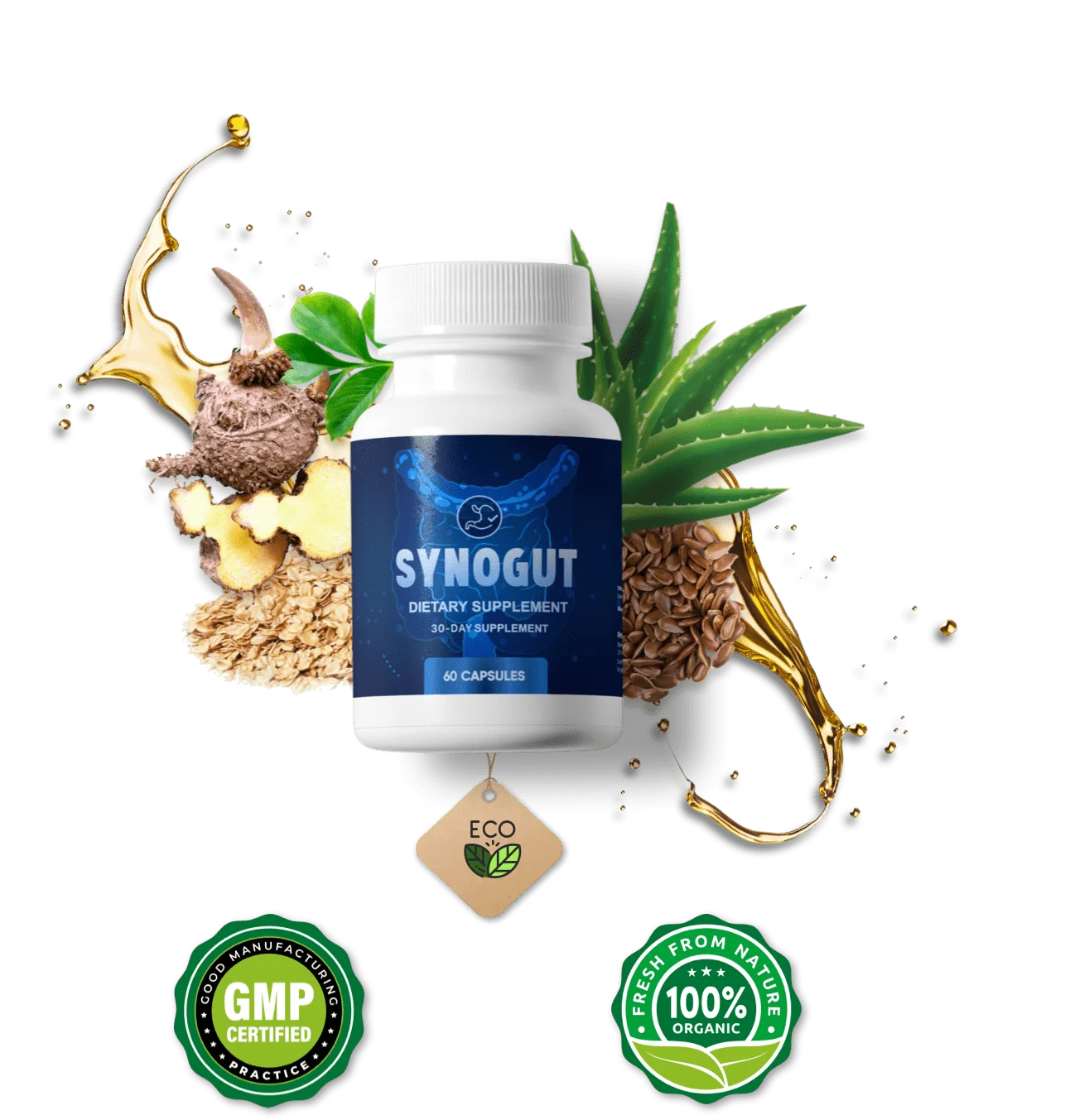
Explore SynoGut's Natural Formula.
The Role of SynoGut in Post-Antibiotic Microbiome Restoration
While dietary changes and lifestyle adjustments are fundamental, targeted natural supplements can provide an extra layer of support in the complex process of restoring your gut microbiome, especially after antibiotic damage or when managing conditions like IBS.
SynoGut is a dietary supplement designed with a blend of natural ingredients chosen for their potential to support digestive health and microbiome balance. It combines various components that work synergistically to address common issues associated with gut dysbiosis and IBS symptoms. These ingredients include a mix of fiber sources, natural laxatives, detoxifiers, and probiotics, all aimed at fostering a healthier gut environment.
For instance, the fiber components in SynoGut, such as Psyllium Husk and Oat Bran, are crucial for regulating bowel movements. After antibiotic use, individuals often experience either severe constipation or diarrhea. Adequate fiber intake can help normalize stool consistency and frequency, which is particularly beneficial for the unpredictable nature of IBS. Furthermore, fiber acts as a prebiotic, feeding the beneficial bacteria you're trying to re-establish.
Ingredients like Bentonite Clay and Black Walnut Hull are included for their potential detoxifying properties, helping to cleanse the digestive tract of toxins and waste products that may have accumulated due to an imbalanced microbiome. This can create a cleaner environment for beneficial bacteria to flourish. Meanwhile, the inclusion of a probiotic strain like Lactobacillus Acidophilus directly contributes to repopulating the gut with friendly bacteria, counteracting the depletion caused by antibiotics.
SynoGut's comprehensive formula also features soothing and anti-inflammatory ingredients like Aloe Vera, which can help calm an irritated gut lining—a common issue in both post-antibiotic recovery and IBS. By supporting multiple aspects of digestive function, SynoGut aims to provide a holistic approach to gut restoration, helping individuals regain comfort and balance in their digestive system. It's important to understand that while SynoGut can be a powerful tool, it should be used as part of a broader strategy that includes a healthy diet and lifestyle, and always in consultation with a healthcare provider. For more information on how supplements fit into your health plan, you might want to read about SynoGut side effects and safety considerations.
Key Natural Ingredients for Gut Restoration
Psyllium Husk
A bulk-forming fiber that absorbs water in the gut, helping to regulate bowel movements. It's effective for both constipation and diarrhea, providing a gentle cleansing action and supporting gut motility. It also acts as a prebiotic.
Bentonite Clay
Known for its ability to absorb toxins and heavy metals from the digestive tract. It can help cleanse the colon, promote detoxification, and create a healthier environment for beneficial gut bacteria.
Black Walnut Hull
Traditionally used for its antiparasitic and antifungal properties. It can help eliminate undesirable organisms from the gut, supporting a healthier microbial balance after antibiotic disruption.
Oat Bran
A soluble fiber that aids in digestion, helps lower cholesterol, and promotes regular bowel movements. It adds bulk to stool, supporting gut regularity and acting as a food source for beneficial bacteria.
Lactobacillus Acidophilus
A well-researched probiotic strain crucial for restoring beneficial gut flora. It helps digest food, absorb nutrients, and fight off pathogenic bacteria, essential after antibiotic-induced depletion.
Glucomannan
A soluble fiber derived from the konjac root. It absorbs large amounts of water, forming a gel that promotes feelings of fullness, helps regulate blood sugar, and supports healthy bowel movements.
Apple Pectin
Another soluble fiber that acts as a powerful prebiotic, feeding beneficial gut bacteria. It helps to firm up stools and can be particularly helpful in managing diarrhea, while also supporting overall gut barrier integrity.
Aloe Vera
Known for its soothing and anti-inflammatory properties. Aloe vera can help calm an irritated digestive tract, support gut lining integrity, and promote gentle detoxification, reducing discomfort associated with IBS.
Integrating SynoGut into Your Gut Restoration Journey
Incorporating a supplement like SynoGut into your post-antibiotic recovery plan requires a thoughtful approach, ensuring it complements your dietary and lifestyle changes for optimal results.
Firstly, understand that SynoGut is designed to support, not replace, a healthy diet. Continue to prioritize whole, unprocessed foods, and consider eliminating common IBS triggers, which can be even more impactful on a sensitive gut post-antibiotics. You can find detailed guidance on this in our article about IBS triggers, foods to avoid, and safe foods. When starting SynoGut, it's often advisable to begin with a lower dose to assess your body's response, gradually increasing to the recommended dosage as tolerated. This is especially true for individuals with sensitive digestive systems or IBS, who may react more strongly to new supplements.
Consistency is key. The gut microbiome doesn't rebalance overnight, and natural ingredients take time to exert their full effects. Take SynoGut regularly as directed, ideally with meals and plenty of water, to aid in the delivery and absorption of its beneficial components. Pairing it with a diet rich in fermented foods and diverse plant fibers will amplify its effects, providing both direct probiotic support and the necessary fuel for existing beneficial bacteria.
Monitor your symptoms closely. Keep a journal of your digestive health, noting any improvements in bloating, bowel regularity, pain, or energy levels. This will help you gauge the effectiveness of SynoGut and other interventions. If you experience any discomfort or adverse reactions, consult with your healthcare provider. They can offer personalized advice, adjust dosages, or suggest alternative strategies tailored to your specific health needs and medical history. Remember, a holistic approach combining diet, lifestyle, and targeted supplementation offers the best pathway to sustainable gut health.
Reclaim Your Digestive Comfort with SynoGut
SynoGut is a natural dietary supplement formulated to support a healthy digestive system, aid in microbiome balance, and promote overall gut well-being, especially after periods of antibiotic use or for those managing IBS.
- ✓ Supports healthy digestion and nutrient absorption
- ✓ Aids in restoring gut flora after antibiotic use
- ✓ Promotes regular bowel movements and reduces bloating
- ✓ Contains a blend of natural fibers, prebiotics, and probiotics
- ✓ Made with carefully selected, high-quality ingredients



What Our Customers Are Saying
"After a course of strong antibiotics, my digestion was a mess. Bloating, discomfort, and irregular bowel movements became my new normal. SynoGut has been a game-changer! My gut feels so much calmer, and I'm finally back to a regular schedule. Highly recommend for anyone struggling post-antibiotics."
"Living with IBS is tough, and antibiotics always make it worse. I was skeptical, but SynoGut has genuinely helped. The blend of fibers and probiotics has eased my bloating and made my stomach feel much more settled. It's not a cure, but it's the best support I've found."
"My doctor suggested focusing on gut health after my last infection, and I researched supplements extensively. SynoGut stood out with its natural ingredients. I've been taking it for two months, and the difference in my energy and digestive comfort is remarkable. My gut feels stronger and more resilient."
Frequently Asked Questions
How do antibiotics damage the gut microbiome?
+Antibiotics, particularly broad-spectrum ones, indiscriminately kill both harmful and beneficial bacteria in the gut. This disruption, known as dysbiosis, reduces microbial diversity and can allow opportunistic pathogens to overgrow, leading to digestive issues and potentially exacerbating conditions like IBS.
What are the common symptoms of gut dysbiosis after antibiotics?
+Symptoms can vary but often include bloating, gas, abdominal pain, diarrhea or constipation (or alternating), fatigue, brain fog, skin issues, and increased susceptibility to infections. For individuals with IBS, these symptoms can be significantly amplified.
How long does it take to restore gut flora after antibiotic use?
+Restoration time varies widely depending on the individual, the type and duration of antibiotic use, and the strategies employed. While some recovery can begin within weeks, full restoration of diversity and balance can take several months to a year or even longer. Consistent effort with diet, probiotics, and lifestyle is key.
Can diet alone restore my gut microbiome?
+Diet plays a foundational role in microbiome restoration, providing essential nutrients for beneficial bacteria. However, for significant antibiotic-induced damage or chronic conditions like IBS, a comprehensive approach including targeted probiotics, prebiotics, and potentially supportive supplements like SynoGut is often more effective than diet alone.
Is SynoGut safe to take with other medications?
+SynoGut is formulated with natural ingredients, but it's crucial to consult your healthcare provider or a pharmacist before combining it with any prescription medications, especially if you have existing health conditions. They can assess potential interactions and ensure it's safe for your specific situation.
How does SynoGut support gut health for someone with IBS?
+SynoGut contains ingredients like psyllium husk, bentonite clay, and probiotics (Lactobacillus Acidophilus) that can help regulate bowel movements, support detoxification, and rebalance gut flora. For IBS, these components can help manage symptoms like bloating, discomfort, and irregular stool patterns by promoting a healthier gut environment.
Related Articles