Struggling to identify your IBS food triggers?
Irritable Bowel Syndrome (IBS) affects millions worldwide, manifesting as a complex array of digestive discomforts including abdominal pain, bloating, gas, diarrhea, and constipation. For many, the daily challenge of managing IBS revolves heavily around one critical factor: food. The seemingly innocent act of eating can turn into a minefield, making it difficult to enjoy meals or even maintain a balanced diet without fear of triggering debilitating symptoms.
Understanding which foods exacerbate your IBS and which ones provide relief is not just about avoiding discomfort; it's about reclaiming your quality of life. This comprehensive guide, informed by the latest research and expert insights, will equip you with the knowledge to identify common IBS trigger foods to avoid and introduce you to safe, gut-friendly alternatives. We'll also explore how a mindful approach to diet, alongside targeted digestive support, can contribute to a more harmonious and holistic digestive support journey.

Understanding Irritable Bowel Syndrome (IBS) and Its Dietary Connection
Before diving into specific foods, it's essential to grasp what IBS is and why diet plays such a pivotal role in its manifestation.
Irritable Bowel Syndrome is a chronic functional gastrointestinal disorder characterized by a group of symptoms that occur together, including recurrent abdominal pain, discomfort, and changes in bowel habits (diarrhea, constipation, or both). Unlike inflammatory bowel diseases (IBD) like Crohn's or ulcerative colitis, IBS does not cause inflammation or changes in bowel tissue. Instead, it's a disorder of gut-brain interaction, meaning there's a problem with how the brain and gut work together, making the gut more sensitive and affecting how the bowel muscles contract.
The precise cause of IBS remains unknown, but several factors are believed to contribute, including gut motility issues, visceral hypersensitivity (increased pain perception from the gut), gut microbiome imbalances, genetic predisposition, and psychological factors like stress and anxiety. For a significant number of individuals with IBS, certain foods or food groups are primary instigators of their symptoms. This is often because these foods can alter gut motility, increase gas production, or trigger immune responses in a sensitive gut.
Identifying your personal food triggers is a cornerstone of effective IBS management. What might be a trigger for one person could be perfectly safe for another. This variability makes a personalized approach to diet absolutely crucial. While there are common culprits, the journey to digestive comfort is often a process of self-discovery and careful experimentation.
💡 Key Takeaway
IBS is a complex gut-brain disorder affecting millions. Dietary factors are primary symptom triggers for many, making personalized food identification essential for managing abdominal pain, bloating, and altered bowel habits.
Common IBS Trigger Foods to Avoid
While individual triggers vary, several food categories are frequently implicated in exacerbating IBS symptoms. Understanding these common culprits can provide a starting point for your elimination efforts.
One of the most well-researched dietary approaches for IBS is the Low-FODMAP diet. FODMAPs (Fermentable Oligosaccharides, Disaccharides, Monosaccharides, and Polyols) are short-chain carbohydrates that are poorly absorbed in the small intestine. They draw water into the gut and are rapidly fermented by gut bacteria, leading to gas, bloating, and pain in sensitive individuals. High-FODMAP foods are a major category of IBS triggers:
- Oligosaccharides: Found in wheat, rye, barley, onions, garlic, legumes (beans, lentils), and certain nuts.
- Disaccharides (Lactose): Found in dairy products like milk, soft cheeses, yogurt, and ice cream. Many people with IBS also have lactose intolerance.
- Monosaccharides (Fructose in excess of glucose): Found in fruits like apples, pears, mangoes, watermelon, and high-fructose corn syrup.
- Polyols: Found in certain fruits (avocado, cherries, peaches), vegetables (mushrooms, cauliflower), and artificial sweeteners (sorbitol, mannitol, xylitol).
Beyond FODMAPs, other food and drink items are frequently reported as IBS triggers:
- Fatty Foods: High-fat foods, including fried foods, fatty meats, and rich sauces, can slow down digestion and increase gut contractions, potentially leading to discomfort, especially for those with IBS-C (constipation-dominant).
- Spicy Foods: Capsaicin, the compound that gives chili peppers their heat, can irritate the lining of the digestive tract and speed up gut motility, often triggering diarrhea and abdominal pain in sensitive individuals.
- Caffeine: Found in coffee, tea, and energy drinks, caffeine is a stimulant that can increase bowel activity and lead to diarrhea, especially in those with IBS-D (diarrhea-dominant).
- Alcohol: Alcohol can irritate the digestive tract, disrupt gut bacteria, and interfere with nutrient absorption. Certain alcoholic beverages also contain high FODMAPs (e.g., rum, fortified wines).
- Artificial Sweeteners: Beyond polyols, other artificial sweeteners like aspartame and sucralose can sometimes cause digestive upset, although the evidence is less consistent than for polyols.
- Carbonated Beverages: The bubbles in fizzy drinks can introduce excess air into the digestive system, leading to bloating and gas.
- Gluten: While not a FODMAP itself, gluten (a protein found in wheat, barley, and rye) can be a trigger for some IBS sufferers, even in the absence of celiac disease. This is often referred to as non-celiac gluten sensitivity.
It's important to approach this list not as a strict prohibition, but as a guide for investigation. Your body's unique response will dictate which of these, if any, are your personal triggers.
💡 Key Takeaway
Common IBS triggers include high-FODMAP foods (wheat, dairy, certain fruits/veg, legumes), fatty foods, spicy items, caffeine, alcohol, and artificial sweeteners. A personalized approach to identifying these is crucial.
Safe and Gut-Friendly Foods to Embrace with IBS
Managing IBS isn't just about what to avoid; it's equally about what you *can* eat to nourish your body and promote digestive comfort. Many delicious and nutritious foods are generally well-tolerated by individuals with IBS.
When following a low-FODMAP approach, there are still plenty of options. Here's a breakdown of generally safe food categories:
- Low-FODMAP Fruits: Bananas, blueberries, cantaloupe, grapes, kiwi, lemons, limes, oranges, raspberries, strawberries.
- Low-FODMAP Vegetables: Carrots, cucumbers, eggplant, green beans, lettuce, potatoes, spinach, zucchini, bell peppers (red, green, yellow), kale, olives.
- Proteins: Lean meats (chicken, turkey, beef, pork), fish (salmon, cod, tuna), eggs, and firm tofu are generally well-tolerated. These provide essential amino acids without contributing to gas or fermentation.
- Grains and Starches: Rice (white, brown, wild), oats (gluten-free), quinoa, corn, gluten-free pasta, and gluten-free bread are excellent alternatives to wheat-based products.
- Dairy Alternatives: Lactose-free milk, almond milk, rice milk, and hard cheeses (which are naturally low in lactose) can be good substitutes for traditional dairy.
- Fats: Olive oil, avocado oil, coconut oil, and small amounts of nuts (almonds, walnuts) and seeds (chia, flax, pumpkin) are typically well-tolerated and provide healthy fats.
- Herbs and Spices: Most fresh and dried herbs and spices are safe and can add flavor to your meals without irritation. Examples include basil, oregano, rosemary, thyme, ginger, turmeric, and cumin.
Beyond specific food lists, consider the following principles for safe eating:
- Soluble Fiber: While insoluble fiber can sometimes aggravate IBS symptoms, soluble fiber often helps regulate bowel movements. Good sources include oats, psyllium husk, and certain fruits and vegetables listed above. If you're looking for ways to specifically address loose stools, you might find more information on digestive-supplement-diarrhea-loose-stools.html.
- Hydration: Drinking plenty of water throughout the day is crucial for healthy digestion, especially for those with IBS-C. Water helps soften stools and aids in their passage.
- Smaller, More Frequent Meals: Eating large meals can put stress on the digestive system. Opting for smaller, more frequent meals can help prevent overloading the gut and minimize symptoms.
- Probiotic-Rich Foods: Some individuals with IBS find relief from incorporating probiotic-rich foods like lactose-free yogurt or kefir (if tolerated), or fermented vegetables like sauerkraut (in small amounts if low-FODMAP). Probiotics can help balance the gut microbiome, which is often disrupted in IBS.
Remember that even with "safe" foods, portion control and preparation methods matter. Steaming, baking, or grilling foods is often preferred over frying. Listening to your body and noting how different foods make you feel is the most reliable strategy.
💡 Key Takeaway
Embrace a diet rich in low-FODMAP fruits and vegetables, lean proteins, gluten-free grains, and dairy alternatives. Focus on soluble fiber, stay hydrated, and eat smaller, more frequent meals to support digestive comfort.
Strategies for Identifying Your Unique IBS Triggers
Since IBS is highly individualized, a systematic approach is key to pinpointing your specific food triggers. This often involves a process of elimination and careful observation.
Keep a Detailed Food and Symptom Diary
This is arguably the most crucial step. For at least 2-4 weeks, meticulously record everything you eat and drink, along with the time of consumption. Alongside this, note any IBS symptoms you experience, their severity, and the time they occur. Look for patterns: do symptoms consistently appear after consuming a particular food? This journal will provide invaluable data for you and your healthcare provider.
Try an Elimination Diet (Under Guidance)
Once you have some insights from your food diary, an elimination diet can help confirm suspected triggers. The most common and effective is the Low-FODMAP diet. This involves strictly eliminating all high-FODMAP foods for a period (typically 2-6 weeks) to allow symptoms to subside. After this elimination phase, foods are systematically reintroduced, one group at a time, to identify which ones provoke symptoms. This process should ideally be supervised by a registered dietitian or doctor to ensure nutritional adequacy and proper execution.
Mindful Eating Practices
Beyond *what* you eat, *how* you eat can also influence IBS symptoms. Eating too quickly, not chewing food thoroughly, or eating while stressed can worsen digestive issues. Practice mindful eating: slow down, savor your food, chew each bite completely, and avoid distractions. This allows your digestive system to work more efficiently and can reduce gas and bloating.
Manage Stress Effectively
The gut-brain axis plays a significant role in IBS. Stress and anxiety can directly impact gut function, often exacerbating symptoms. Incorporating stress-reduction techniques like meditation, yoga, deep breathing exercises, or spending time in nature can be as important as dietary changes for managing your condition. A holistic approach is often the most effective.
Consider Digestive Health Supplements
While diet and lifestyle are primary, certain supplements can offer additional support. Ingredients like digestive enzymes can help break down foods more efficiently, reducing undigested particles that might ferment and cause gas. Probiotics can help restore a healthy balance of gut bacteria. Fiber supplements, particularly soluble fiber like psyllium, can regulate bowel movements. For those seeking comprehensive support, exploring options like best-digestive-health-supplement.html might be beneficial.
The Role of Gut Health in IBS Management
Beyond identifying individual food triggers, a broader understanding of gut health is paramount for long-term IBS management. The intricate ecosystem within your digestive tract, known as the gut microbiome, plays a profound role in everything from digestion and nutrient absorption to immune function and even mood.
Microbiome Imbalance (Dysbiosis)
Research increasingly points to an imbalance in gut bacteria (dysbiosis) as a contributing factor to IBS. An overgrowth of certain bacteria or a lack of beneficial species can lead to increased gas production, inflammation, and altered gut motility, all of which manifest as IBS symptoms. Supporting a diverse and healthy microbiome is key.
Gut Permeability (Leaky Gut)
Some theories suggest that increased intestinal permeability, often referred to as "leaky gut," might contribute to IBS symptoms. When the gut lining becomes compromised, larger food particles and toxins can pass into the bloodstream, potentially triggering immune responses and inflammation. Maintaining the integrity of the gut barrier is vital for overall digestive health. For more on this topic, you can refer to leaky-gut-syndrome-supplement.html.
Digestive Enzyme Deficiency
Sometimes, the body doesn't produce enough digestive enzymes to properly break down food. This can lead to undigested food particles fermenting in the gut, causing gas, bloating, and discomfort. Ensuring adequate enzyme activity is crucial for efficient digestion and symptom reduction.
The Importance of Fiber
Fiber is essential for gut health, but its role in IBS is nuanced. Soluble fiber (found in oats, psyllium, certain fruits/veg) can help regulate bowel movements and provide food for beneficial gut bacteria. Insoluble fiber (found in whole grains, skins of fruits/veg) can sometimes irritate a sensitive gut. Finding the right balance of fiber is important for each individual.
Addressing these underlying gut health factors, in addition to dietary modifications, can lead to more profound and lasting relief from IBS symptoms. This is where a multi-faceted approach, combining careful diet, stress management, and targeted nutritional support, can make a significant difference.
How SynoGut Can Support Your Digestive Journey
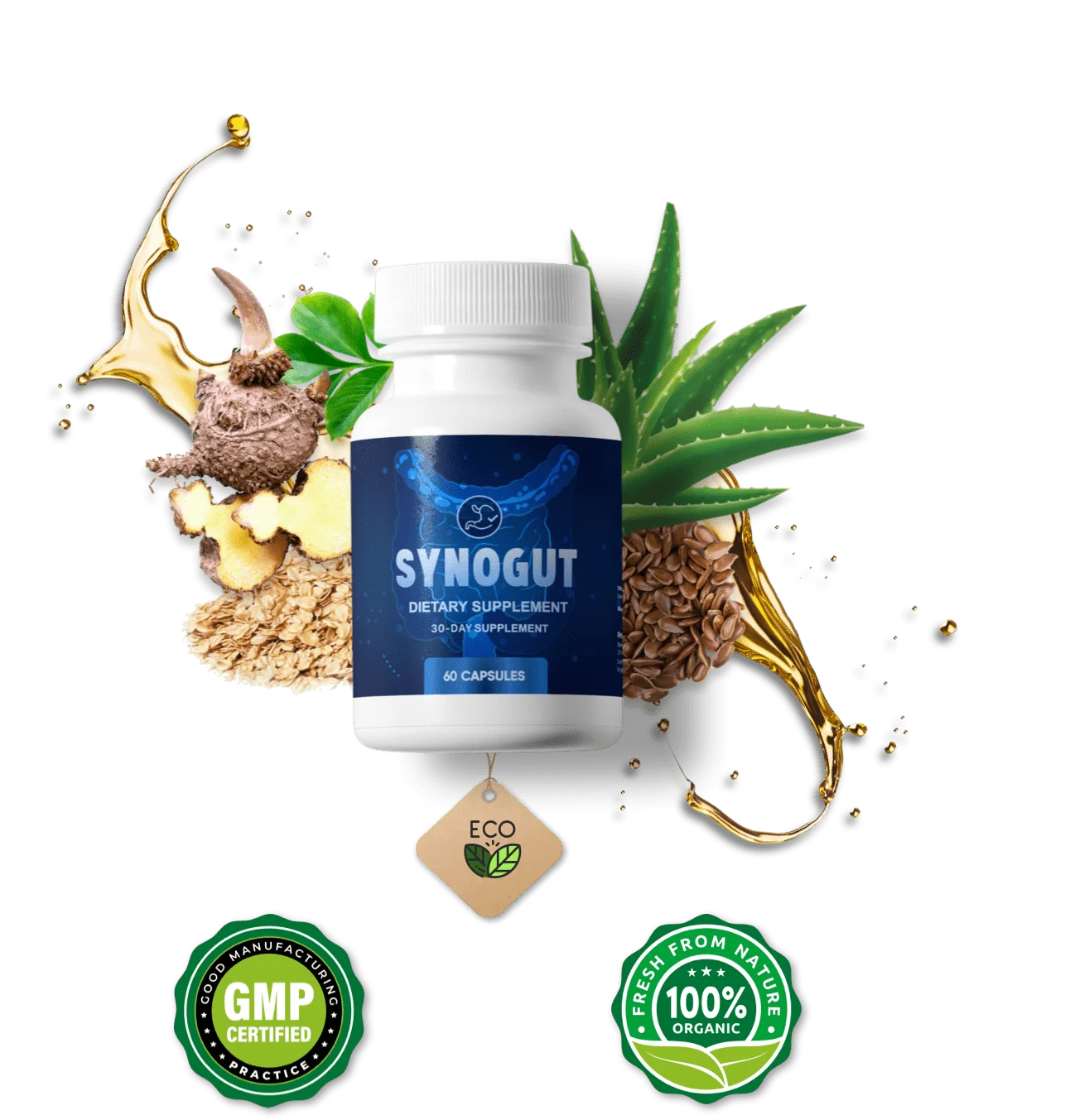
While dietary adjustments are paramount for managing IBS, sometimes additional support can help optimize digestive function and promote overall gut health. SynoGut is a natural dietary supplement formulated with a blend of ingredients known for their beneficial effects on the digestive system.
Psyllium Husk
Role: A rich source of soluble fiber, psyllium helps regulate bowel movements by absorbing water and forming a gel-like substance, easing both constipation and diarrhea. It promotes healthy stool consistency and regular elimination.
Bentonite Clay
Role: Known for its detoxifying properties, bentonite clay can help absorb toxins and impurities from the gut, potentially reducing gut irritation and supporting a cleaner digestive tract.
Lactobacillus Acidophilus
Role: A well-known probiotic strain, L. acidophilus helps restore the balance of beneficial bacteria in the gut. This can improve digestion, reduce bloating, and support immune function, crucial for a healthy gut microbiome.
Black Walnut Hull
Role: Traditionally used for digestive health, black walnut hull contains compounds that may help cleanse the gut and support a healthy microbial balance, contributing to overall digestive comfort.
Apple Pectin
Role: A soluble fiber found in apples, pectin acts as a prebiotic, feeding beneficial gut bacteria. It also helps regulate bowel movements and can contribute to a feeling of fullness, supporting digestive regularity.
Glucomannan
Role: Derived from the konjac plant, glucomannan is another soluble fiber that promotes satiety, helps regulate blood sugar, and supports healthy bowel function by adding bulk to stools, aiding in smooth elimination.
Aloe Vera
Role: Renowned for its soothing properties, aloe vera can help calm digestive irritation and support the integrity of the gut lining. It also has mild laxative effects, which can be beneficial for constipation.
L. Plantarum & L. Rhamnosus
Role: These additional probiotic strains further enhance gut microbiome diversity and balance. They are known for their ability to support gut barrier function, reduce inflammation, and aid in the digestion of various foods.
By combining these carefully selected ingredients, SynoGut aims to provide comprehensive support for digestive health, helping to ease common IBS symptoms and foster a more comfortable gut environment. It's designed to complement a healthy diet and lifestyle, offering a natural pathway to improved digestive wellness.
Experience the Difference with SynoGut for Optimal Digestive Health
If you're tired of the constant battle with IBS symptoms and are seeking a natural way to support your digestive system, SynoGut offers a carefully crafted solution. Developed with a blend of potent ingredients, SynoGut aims to provide the comprehensive gut health support you need to feel more comfortable and in control.
- Supports healthy digestion and nutrient absorption.
- Promotes a balanced gut microbiome.
- Helps regulate bowel movements, easing constipation and diarrhea.
- Reduces bloating, gas, and abdominal discomfort.
- Made with 100% natural, plant-based ingredients.




What Our Customers Are Saying
"SynoGut has been a game-changer for my IBS. I used to dread eating, always wondering what would trigger my next flare-up. Since starting SynoGut, my bloating has significantly reduced, and my bowel movements are much more regular. I finally feel like I'm regaining control!"
"I was skeptical at first, but after weeks of persistent discomfort, I decided to try SynoGut. Within a month, I noticed a significant improvement in my gut health. Less gas, less pain, and I can even enjoy a wider variety of foods without immediate consequences. Highly recommend!"
"Living with IBS-D was exhausting. SynoGut, combined with my dietary changes, has brought me so much relief. My digestion feels smoother, and I'm not running to the bathroom constantly. It's given me back a sense of normalcy and comfort."
Frequently Asked Questions
What is Irritable Bowel Syndrome (IBS)?
+Irritable Bowel Syndrome (IBS) is a common, chronic disorder affecting the large intestine. Symptoms include cramping, abdominal pain, bloating, gas, and changes in bowel habits (diarrhea, constipation, or both). It's a functional gastrointestinal disorder, meaning there's a problem with how the gut works, but no visible signs of damage or disease.
Why is identifying food triggers crucial for IBS management?
+Food plays a significant role in triggering IBS symptoms for many individuals. Identifying and avoiding specific foods that exacerbate your symptoms can significantly reduce discomfort, improve quality of life, and help manage the condition more effectively. It allows for a personalized dietary approach to maintain gut health.
What are common high-FODMAP foods to avoid with IBS?
+High-FODMAP foods commonly trigger IBS symptoms. These include certain fruits (apples, pears, mangoes), vegetables (onions, garlic, asparagus), dairy products (milk, soft cheeses), legumes (beans, lentils), wheat products, and artificial sweeteners (sorbitol, mannitol). A low-FODMAP diet is often recommended for diagnosis and management under medical supervision.
Are there any supplements that can support IBS symptom management?
+Yes, some dietary supplements can offer support for IBS symptoms, often by promoting overall gut health. Ingredients like probiotics, prebiotics, digestive enzymes, and certain herbal extracts (e.g., psyllium, aloe vera) are known to aid digestion, reduce inflammation, and balance gut flora. SynoGut, for example, combines several such ingredients to provide comprehensive digestive support.
How can I effectively identify my personal IBS food triggers?
+The most effective way to identify personal IBS food triggers is through a systematic approach. This typically involves keeping a detailed food diary to track intake and symptoms, followed by an elimination diet under the guidance of a healthcare professional or registered dietitian. Foods are removed and then gradually reintroduced to pinpoint specific culprits.
Is SynoGut suitable for everyone with IBS?
+While SynoGut is designed with natural ingredients to support digestive health, individual responses can vary. It's crucial to consult with your doctor or a healthcare professional before starting any new supplement, especially if you have IBS, other medical conditions, or are taking medications. They can advise on its suitability for your specific situation.
Related Articles