Struggling with sluggish digestion or the discomfort of IBS?
You're not alone. Millions experience digestive issues that can significantly impact their quality of life. While diet and stress often take center stage in digestive health discussions, the power of physical activity is frequently underestimated.
Integrating the right exercises into your daily routine can be a game-changer, offering a natural and effective way to promote smoother digestion, enhance gut motility, and alleviate symptoms, especially for those managing Irritable Bowel Syndrome (IBS). Discover how simple movements can lead to profound improvements in your gut health.
The Crucial Connection: Exercise and Digestive Health
Our digestive system is a marvel of biological engineering, a complex network responsible for breaking down food, absorbing nutrients, and eliminating waste. When this intricate process is disrupted, it can lead to uncomfortable symptoms like bloating, gas, constipation, diarrhea, and abdominal pain. For individuals with conditions like Irritable Bowel Syndrome (IBS), these disruptions are a daily reality.
While often overlooked, physical activity plays a profound role in maintaining a healthy digestive tract. It's not just about burning calories or building muscle; exercise directly influences the mechanics and physiology of your gut. Regular movement can act as a powerful, non-pharmacological tool to alleviate digestive distress and foster a more harmonious gut environment. Understanding this connection is the first step towards leveraging exercise for better digestive health.
How Exercise Enhances Digestion and Gut Motility
The benefits of exercise for digestion are multi-faceted, extending beyond simple physical movement to impact various physiological processes:
- Stimulates Peristalsis: Exercise, particularly aerobic activity, naturally stimulates the muscles of the digestive tract. These muscles contract in a wave-like motion called peristalsis, which propels food through the intestines. A sedentary lifestyle can slow down this process, leading to constipation and feelings of sluggishness. Regular movement helps keep this internal conveyor belt running smoothly.
- Increases Blood Flow: Physical activity boosts circulation throughout the body, including to the digestive organs. Enhanced blood flow ensures that the stomach, small intestine, and large intestine receive an adequate supply of oxygen and nutrients, which are vital for their optimal function and repair.
- Reduces Stress: Stress is a well-documented trigger for digestive problems, especially in conditions like IBS. Exercise is a potent stress reliever, helping to lower cortisol levels and activate the parasympathetic nervous system (our "rest and digest" system). By reducing stress, exercise can directly mitigate stress-induced digestive symptoms.
- Strengthens Abdominal Muscles: Core-strengthening exercises can indirectly support digestion by improving abdominal muscle tone. Stronger abdominal muscles can help provide better support for internal organs and may assist in the mechanical process of bowel movements.
- Supports Gut Microbiome Health: Emerging research suggests that regular exercise can positively influence the diversity and composition of the gut microbiota. A diverse and balanced microbiome is crucial for efficient digestion, nutrient absorption, and immune function. Exercise may help foster a healthier microbial ecosystem.
- Aids in Gas and Bloating Relief: Movement can help trapped gas move through the digestive system, providing relief from bloating and discomfort. Gentle twists and stretches can be particularly effective in this regard.
By understanding these mechanisms, it becomes clear why incorporating physical activity into your routine is not just an option, but a vital component of holistic digestive health management.
💡 Key Takeaway
Regular exercise is a powerful, natural tool to improve digestion by stimulating gut muscles, increasing blood flow, reducing stress, and fostering a healthier gut microbiome. It directly aids in preventing common digestive discomforts like constipation, bloating, and gas, and is particularly beneficial for managing IBS symptoms.
Top Exercises to Boost Digestion and Gut Motility
When it comes to improving digestion, not all exercises are created equal. While any movement is better than none, certain types of physical activity are particularly effective at promoting gut health and motility. Here are the best categories of exercises, along with specific examples, to help you achieve a healthier digestive system.
Low-Impact Aerobic Exercises
These activities get your heart rate up without jarring your digestive system, making them ideal for stimulating peristalsis and reducing stress. They are especially recommended for individuals with sensitive digestive systems, including those with IBS.
Examples:
- Walking: Perhaps the simplest yet most effective exercise. A brisk 30-minute walk can significantly improve gut motility. Even a short 10-15 minute walk after meals can aid digestion and prevent post-meal sluggishness.
- Cycling: Whether outdoors or on a stationary bike, cycling provides a gentle abdominal massage and promotes consistent movement, which helps keep things moving along your digestive tract.
- Swimming: The buoyancy of water reduces impact on joints, while the rhythmic movement of swimming provides full-body engagement that can gently stimulate internal organs.
- Elliptical Training: Offers a low-impact cardio workout that mimics running but without the harsh impact, making it gut-friendly.
Yoga and Pilates
These mind-body practices are excellent for digestion due to their focus on core strength, flexibility, mindful breathing, and stress reduction. Many poses specifically target the abdominal area, providing gentle compression and decompression that can stimulate digestive organs.
Examples:
- Cat-Cow Pose (Marjaryasana-Bitilasana): This gentle spinal flex and extension massages abdominal organs and improves circulation.
- Supine Spinal Twist (Supta Matsyendrasana): Twisting poses are known to "wring out" the digestive organs, encouraging detoxification and motility.
- Child's Pose (Balasana): A calming pose that gently compresses the abdomen, aiding in relaxation and digestion.
- Wind-Relieving Pose (Pawanmuktasana): As the name suggests, this pose is excellent for releasing trapped gas and alleviating bloating.
- Pelvic Tilts: Strengthen the core and gently move the pelvis, which can help stimulate bowel movements.
Core Strengthening Exercises
While high-intensity core work might be too much for some with IBS, gentle core strengthening can improve overall abdominal muscle tone, which indirectly supports digestive function and helps with bowel regularity.
Examples:
- Gentle Crunches/Abdominal Bracing: Focus on slow, controlled movements to engage the deep core muscles without straining.
- Bird-Dog: Improves core stability and coordination without excessive abdominal pressure.
- Plank (Modified): Start with knees on the ground if a full plank is too intense, focusing on maintaining a straight line from head to knees/heels.
Mind-Body Practices and Breathing
The gut-brain axis means that exercises that calm the mind can directly calm the gut. These practices are crucial for managing stress-related digestive symptoms.
Examples:
- Deep Diaphragmatic Breathing: Also known as belly breathing, this technique massages the vagus nerve, which connects the brain and gut, promoting relaxation and stimulating the "rest and digest" response. Practice for 5-10 minutes daily.
- Tai Chi: A gentle martial art that combines slow, flowing movements with deep breathing and meditation, excellent for stress reduction and improving overall body awareness.
- Meditation: While not physical exercise, meditation directly addresses stress, a major factor in digestive distress.
Exercise Considerations for Irritable Bowel Syndrome (IBS)
For individuals living with Irritable Bowel Syndrome, exercise can be a double-edged sword. While beneficial, certain types or intensities of activity can sometimes trigger symptoms. The key is finding a balance and understanding what works best for your body.
Managing IBS often involves a holistic approach, and physical activity is a cornerstone. However, it's vital to remember that everyone's IBS is unique. What works for one person may not work for another, and even your own tolerance can vary day-to-day depending on flare-ups or stress levels.
Key Principles for Exercising with IBS:
- Listen to Your Body: This is paramount. Pay close attention to how different exercises make you feel. If an activity exacerbates your symptoms (e.g., increases abdominal pain or urgency), it's okay to modify it or choose a different one.
- Start Slow and Gradually Increase: Don't jump into intense workouts. Begin with short durations and low intensity, like 10-15 minutes of gentle walking, and slowly increase the time and intensity as your body adapts. This gradual approach helps prevent symptom flare-ups.
- Prioritize Low to Moderate Intensity: While moderate aerobic activity is generally well-tolerated and beneficial for IBS, very high-intensity or strenuous exercises can sometimes worsen symptoms. This might be due to increased jostling of internal organs or the physiological stress response. Stick to activities where you can still hold a conversation.
- Focus on Consistency, Not Intensity: Regular, gentle movement is often more effective for IBS management than sporadic, intense workouts. Aim for daily activity, even if it's just a short walk.
- Hydrate Adequately: Staying well-hydrated is crucial for digestive health, especially when exercising. Water helps soften stool and aids in its passage through the colon.
- Mindful Breathing: Incorporate deep diaphragmatic breathing into your exercise routine, particularly during yoga or Pilates. This can help calm the nervous system and reduce gut sensitivity.
- Timing Matters: Some people find exercising too soon after a meal can cause discomfort. Experiment with the timing of your workouts relative to your meals to find what works best for you.
- Avoid Exercising During Severe Flare-ups: If you're experiencing a severe IBS flare-up, it might be best to opt for very gentle movements or rest until symptoms subside. Pushing through intense pain can be counterproductive.
- Consider a Journal: Keep a journal to track your exercise types, duration, intensity, and how your digestive symptoms respond. This can help you identify patterns and determine which activities are most beneficial.
Remember, the goal is to find enjoyable activities that support your digestive health without causing undue stress or discomfort. Consistency and a mindful approach are your best allies when integrating exercise into your IBS management plan. For more detailed insights into managing IBS, you might find our article on SynoGut's Complete Guide to IBS and Digestive Health helpful.
Beyond Exercise: A Holistic Approach to Gut Health
While exercise is a cornerstone of digestive well-being, it's part of a larger ecosystem of factors that influence your gut health. For optimal results, integrating physical activity with other healthy lifestyle choices is essential.
Balanced Nutrition
What you eat directly impacts your gut. A diet rich in fiber (from fruits, vegetables, and whole grains), lean proteins, and healthy fats supports a diverse gut microbiome and regular bowel movements. Limiting processed foods, excessive sugar, and artificial ingredients can reduce inflammation and discomfort. For those with IBS, identifying and avoiding trigger foods (e.g., high FODMAP foods) is crucial. Consider exploring the differences between probiotics vs. prebiotics to understand their roles in a healthy diet.
Adequate Sleep
Sleep is a vital restorative process for the entire body, including the digestive system. Poor sleep can disrupt the gut microbiome, increase inflammation, and exacerbate stress, all of which negatively impact digestion. Aim for 7-9 hours of quality sleep per night to allow your gut to repair and regulate itself.
Stress Management
The gut-brain axis means emotional stress can manifest as physical digestive symptoms. Incorporate stress-reducing techniques like meditation, deep breathing exercises, spending time in nature, or engaging in hobbies. Managing stress effectively is a powerful way to calm a turbulent gut.
Hydration
Water is essential for digestion. It helps break down food, absorb nutrients, and soften stool, preventing constipation. Aim to drink at least 8 glasses of water daily, more if you are exercising or in a hot climate. Herbal teas can also contribute to your daily fluid intake.
Mindful Eating
Paying attention to your food, eating slowly, and chewing thoroughly can significantly aid digestion. Mindful eating helps you recognize satiety signals and reduces the likelihood of overeating, which can strain the digestive system. It also promotes better nutrient absorption.
Consider Supplements
Sometimes, even with a healthy diet and lifestyle, your gut might need extra support. Natural supplements formulated with beneficial ingredients like fiber, probiotics, prebiotics, and digestive enzymes can help fill nutritional gaps and promote optimal digestive function. Always consult with a healthcare professional before starting any new supplement.
Introducing SynoGut: A Natural Companion for Your Digestive Journey
While embracing a lifestyle rich in gut-friendly exercises and holistic practices is fundamental, some individuals find that their digestive system still needs an extra boost. This is where a well-formulated natural supplement can play a supportive role. SynoGut is designed to work in harmony with your efforts, providing targeted nutrients to optimize digestion and gut motility.
SynoGut is a dietary supplement crafted with a blend of natural ingredients, each selected for its potential to support various aspects of digestive health. It aims to help maintain a healthy gut lining, promote regular bowel movements, and foster a balanced gut microbiome. By incorporating SynoGut into your daily routine, alongside your exercise regimen and healthy diet, you can provide comprehensive support to your digestive system, potentially leading to greater comfort and well-being.
It’s important to remember that supplements are intended to complement, not replace, a healthy lifestyle. Think of SynoGut as an additional tool in your arsenal, working synergistically with your commitment to an active and mindful life to achieve optimal digestive function. For those seeking to enhance their gut health naturally, SynoGut offers a convenient and effective option.
Key Digestive Support Ingredients in SynoGut
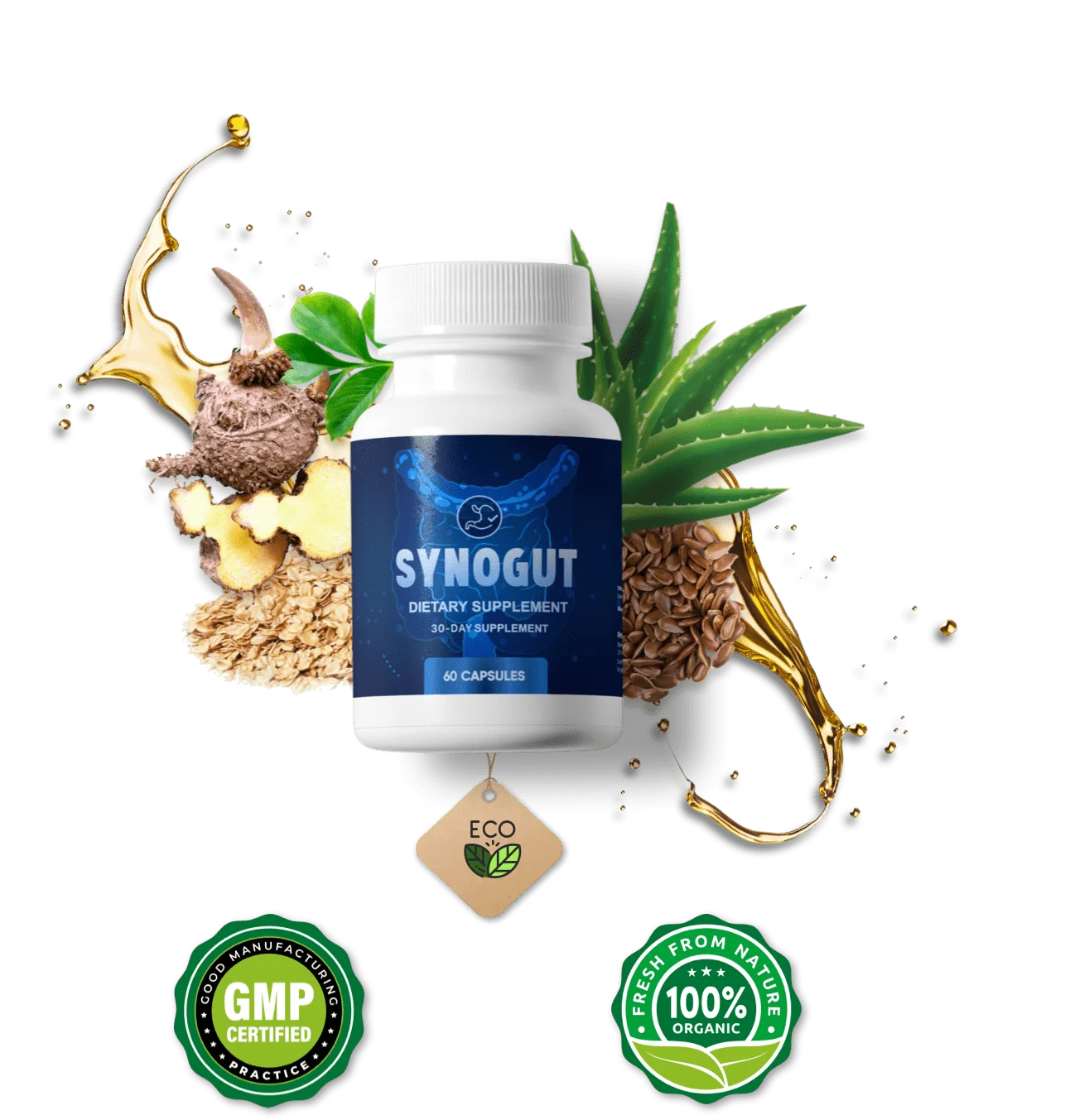
SynoGut contains a carefully selected blend of natural ingredients known for their beneficial effects on digestion and gut health. These ingredients work together to support a balanced gut microbiome, promote regularity, and soothe the digestive tract.
Psyllium Husk
Role: A bulk-forming laxative, psyllium husk absorbs water in the gut to form a viscous compound that aids in smooth bowel movements. It's excellent for relieving both constipation and mild diarrhea, helping to regulate stool consistency.
Bentonite Clay
Role: Known for its detoxifying properties, bentonite clay can help absorb toxins and impurities from the digestive tract, facilitating their elimination. It's believed to support gut cleansing and promote a healthier gut environment.
Black Walnut
Role: Traditionally used for its cleansing properties, black walnut is rich in compounds that may help maintain a healthy intestinal environment and support the body's natural detoxification processes.
Oat Bran
Role: A soluble fiber, oat bran contributes to stool bulk and softness, promoting regularity. It also serves as a prebiotic, feeding beneficial gut bacteria and supporting a healthy microbiome.
Flaxseed
Role: Flaxseed is a rich source of both soluble and insoluble fiber, aiding in digestion and promoting regular bowel movements. It also contains omega-3 fatty acids, which have anti-inflammatory benefits for the gut.
Prune Fruit Concentrate
Role: Prunes are a well-known natural laxative, rich in fiber and sorbitol, a sugar alcohol that draws water into the colon. This helps to soften stool and stimulate bowel motility, offering relief from constipation.
Aloe Vera
Role: Aloe vera is celebrated for its soothing and anti-inflammatory properties. It can help calm an irritated digestive tract, promote healing of the gut lining, and aid in mild constipation relief due to its natural laxative compounds.
L. Acidophilus (Probiotic)
Role: A beneficial probiotic bacterium, L. Acidophilus helps maintain a healthy balance of gut flora. It supports digestion, nutrient absorption, and immune function, while also potentially reducing symptoms of bloating and gas.
Apple Pectin
Role: A soluble fiber found in apples, pectin acts as a prebiotic, nourishing beneficial gut bacteria. It also helps regulate digestion and can improve stool consistency, contributing to overall gut health.
Glucomannan
Role: A soluble dietary fiber derived from the konjac plant, glucomannan absorbs a large amount of water, forming a gel-like substance. This promotes feelings of fullness, helps regulate blood sugar, and supports regular bowel movements by adding bulk to stool.
Ready for a Healthier, Happier Gut?
Take the next step towards optimal digestive wellness. SynoGut offers a natural and powerful way to support your gut, working synergistically with your commitment to a healthy lifestyle and regular exercise.
- ✓ Supports Healthy Digestion & Gut Motility
- ✓ Promotes Regular Bowel Movements
- ✓ Crafted with Natural, Plant-Based Ingredients
- ✓ Non-GMO, GMP Certified, Made in USA
- ✓ Backed by a 60-Day Money-Back Guarantee




Hear From Our Satisfied Customers
"I used to struggle daily with bloating and irregularity. After adding SynoGut to my routine, along with my walks, I've noticed a significant improvement. My digestion feels smoother, and the discomfort is much less frequent. It's made a real difference!"
"Dealing with IBS was always a challenge, especially finding ways to manage symptoms naturally. Combining my yoga practice with SynoGut has been incredibly helpful. I feel lighter, less gassy, and my gut feels much more balanced. Highly recommend!"
"I was skeptical at first, but the combination of a more active lifestyle and SynoGut has truly transformed my digestion. I no longer dread meal times, and my energy levels have improved because my gut isn't constantly bothering me. This product is fantastic."
Frequently Asked Questions
How does exercise specifically help with digestion?
+Exercise stimulates the muscles of the digestive tract, helping food move through more efficiently. It also increases blood flow to the digestive organs, reduces stress, and can improve the balance of gut bacteria, all contributing to better digestion and gut motility.
What types of exercise are best for Irritable Bowel Syndrome (IBS)?
+For IBS, low to moderate-intensity exercises are generally recommended. This includes walking, cycling, swimming, yoga, Pilates, and Tai Chi. High-impact or very strenuous exercises can sometimes exacerbate IBS symptoms, so it's crucial to listen to your body and choose activities that feel comfortable.
Can abdominal exercises improve gut motility?
+Yes, exercises that gently engage the abdominal muscles, such as pelvic tilts, gentle core twists, and specific yoga poses, can help strengthen the abdominal wall and stimulate peristalsis, the wave-like contractions that move food through the intestines. These can be particularly beneficial for sluggish digestion.
How often should I exercise to see digestive benefits?
+Consistency is key. Aim for at least 30 minutes of moderate-intensity exercise most days of the week. Even short, regular bursts of activity, like a 10-15 minute walk after meals, can significantly contribute to improved digestion and overall gut health.
Are there any exercises to avoid if I have digestive issues?
+While exercise is generally beneficial, some individuals with severe digestive issues or during an IBS flare-up might find high-impact activities (like running or jumping) or very intense core workouts uncomfortable. It's always best to start with gentle movements and gradually increase intensity, paying close attention to how your body responds.
How does SynoGut complement an active lifestyle for digestive health?
+SynoGut is formulated with a blend of natural ingredients, including fiber, prebiotics, and probiotics, which work synergistically to support a healthy digestive system. When combined with regular exercise, a balanced diet, and stress management, SynoGut can help optimize gut function, promote regular bowel movements, and enhance overall digestive comfort.
Related Articles