Are You Tired of Chronic Bloating, Gas, and Abdominal Discomfort?
Many individuals grappling with persistent digestive issues, often misdiagnosed as Irritable Bowel Syndrome (IBS), might actually be suffering from Small Intestinal Bacterial Overgrowth (SIBO). This often-overlooked condition can be a significant driver of gut distress, impacting quality of life and general well-being.
In this comprehensive guide, we'll delve deep into understanding SIBO, its intricate links with IBS, and explore a range of natural, evidence-based treatments designed to restore balance to your gut and bring you lasting relief.
What is SIBO? Unpacking Small Intestinal Bacterial Overgrowth
Small Intestinal Bacterial Overgrowth (SIBO) is a condition characterized by an excessive amount of bacteria in the small intestine, particularly types of bacteria that are typically found in the large intestine. While bacteria are essential for digestion, their presence in large numbers in the small intestine can lead to a host of digestive issues.
Normally, the small intestine has relatively few bacteria compared to the large intestine. Several mechanisms work to keep bacterial populations in check, including stomach acid, pancreatic enzymes, bile, a healthy immune system, and the migrating motor complex (MMC) – a "housekeeping wave" that sweeps undigested food and bacteria into the large intestine. When any of these mechanisms falter, bacteria can proliferate in the small intestine, leading to SIBO.
These overgrown bacteria ferment carbohydrates, producing gases like hydrogen and methane. These gases are responsible for many of the uncomfortable symptoms associated with SIBO, such as **bloating, gas, abdominal pain, and altered bowel habits**. Over time, SIBO can also lead to nutrient malabsorption, as bacteria consume nutrients or damage the small intestinal lining, potentially causing deficiencies in iron, B12, and fat-soluble vitamins.
💡 Key Takeaway
SIBO is an overgrowth of bacteria in the small intestine, leading to excessive gas production, digestive discomfort, and potential nutrient deficiencies. It's a common, yet often undiagnosed, root cause of chronic gastrointestinal symptoms, particularly those associated with IBS.
The Intimate Link Between SIBO and Irritable Bowel Syndrome (IBS)
For years, Irritable Bowel Syndrome (IBS) has been a catch-all diagnosis for chronic digestive symptoms that lack a clear structural or biochemical cause. However, mounting research suggests that SIBO may be a significant underlying factor for a large percentage of IBS sufferers.
Studies indicate that anywhere from 30% to 84% of individuals diagnosed with IBS may test positive for SIBO. This strong correlation highlights why many IBS treatments often fall short – they fail to address the bacterial overgrowth at the root of the problem. The symptoms of SIBO and IBS are remarkably similar: **bloating, abdominal pain, diarrhea (IBS-D), constipation (IBS-C), or a mix of both (IBS-M)**. This overlap often leads to misdiagnosis, delaying effective treatment.
Understanding this connection is crucial. If you've been diagnosed with IBS but haven't found lasting relief, investigating SIBO could be the missing piece of your digestive puzzle. Addressing SIBO directly often leads to significant improvement in IBS-like symptoms, offering hope where conventional IBS treatments have failed. It's a testament to the fact that the microbiome plays a much larger role in digestive health than previously understood.
Conventional Approaches to SIBO: What to Expect
When SIBO is formally diagnosed, conventional medical treatment typically involves a course of antibiotics. While often effective in reducing bacterial counts, these approaches come with their own set of considerations.
Antibiotic Therapy
The most common conventional treatment for SIBO involves targeted antibiotics like Rifaximin, often combined with Neomycin or Metronidazole depending on the type of gas produced (hydrogen or methane). These antibiotics are chosen for their ability to act primarily in the small intestine with minimal systemic absorption. While effective in the short term, they can disrupt the overall gut microbiome and may lead to recurrence if underlying causes aren't addressed.
Dietary Management
Alongside antibiotics, dietary changes are almost always recommended. The Low-FODMAP diet is a popular approach, designed to reduce fermentable carbohydrates that feed SIBO bacteria. While highly effective for symptom relief, it's typically a temporary measure, and strict adherence long-term can lead to nutrient deficiencies and further microbiome imbalances. Other diets, like the Specific Carbohydrate Diet (SCD) or GAPS diet, may also be explored.
Addressing Underlying Causes
A critical, yet sometimes overlooked, aspect of conventional SIBO treatment is identifying and addressing the root causes. This might involve investigating conditions like gastroparesis, intestinal adhesions, pancreatic insufficiency, or low stomach acid. Without addressing these foundational issues, SIBO is highly likely to recur, making long-term management challenging.
Embracing a Natural Approach to SIBO Treatment
For many, the idea of repeated antibiotic courses is unappealing due to concerns about antibiotic resistance, side effects, and further disruption to the gut microbiome. This has led to a growing interest in natural and holistic strategies for managing SIBO. A natural approach focuses on reducing bacterial overgrowth, restoring gut function, and preventing recurrence through diet, herbal remedies, and lifestyle modifications.
1. Dietary Interventions: Starving the Overgrowth
Diet plays a pivotal role in managing SIBO symptoms and reducing bacterial load. The goal is to limit the fermentable carbohydrates that fuel the overgrown bacteria while ensuring adequate nutrition. Common dietary strategies include:
- Low-FODMAP Diet: This diet restricts fermentable oligosaccharides, disaccharides, monosaccharides, and polyols – types of carbohydrates that are poorly absorbed and highly fermentable. It's often used as an elimination diet to identify triggers and provide symptom relief.
- Specific Carbohydrate Diet (SCD): The SCD focuses on eliminating complex carbohydrates, lactose, and processed sugars, allowing only easily digestible monosaccharides. This aims to heal the gut lining and reduce bacterial fermentation.
- Elemental Diet: In severe cases, an elemental diet consisting of pre-digested nutrients can be used to completely starve the bacteria and allow the gut to rest and heal. This is typically done under strict medical supervision.
It's important to note that these diets are often restrictive and should ideally be followed under the guidance of a nutritionist or healthcare professional to ensure nutritional adequacy and proper reintroduction of foods. For more insights on how certain foods can impact your gut, you might find our article on bloating after eating: causes & natural remedies helpful.
2. Herbal Antimicrobials: Nature's Antibiotics
Many herbs possess potent antimicrobial properties that can be highly effective against SIBO-causing bacteria, often with fewer side effects than pharmaceutical antibiotics and without contributing to antibiotic resistance. Popular herbal antimicrobials include:
- Oregano Oil: Contains carvacrol and thymol, which have broad-spectrum antimicrobial activity.
- Berberine: Found in plants like Goldenseal, Oregon Grape, and Barberry, berberine is effective against a wide range of bacteria, fungi, and parasites.
- Allicin (from Garlic): A powerful compound with antibacterial properties, particularly effective against methane-producing bacteria.
- Neem: An Ayurvedic herb known for its antimicrobial and anti-inflammatory effects.
- Pau d'Arco: Has antifungal and antibacterial properties, useful for co-existing candida overgrowth.
These herbs are typically taken in specific dosages and combinations, often in cycles, to effectively reduce bacterial load. It's crucial to consult with a healthcare practitioner experienced in herbal medicine before starting any antimicrobial protocol.
3. Probiotics and Prebiotics: Rebalancing the Microbiome
The role of probiotics in SIBO is complex and often debated. While some strains might exacerbate symptoms in the initial stages, certain types of probiotics, particularly spore-based or soil-based organisms, and specific strains of *Lactobacillus* and *Bifidobacterium*, can be beneficial in the later stages of treatment or for preventing recurrence. They help to:
- Displace pathogenic bacteria.
- Produce short-chain fatty acids beneficial for gut health.
- Support the integrity of the gut lining.
- Modulate the immune system.
Prebiotics (fibers that feed beneficial bacteria) must be approached cautiously in SIBO, as they can initially worsen symptoms by feeding the overgrown bacteria. However, once the bacterial load is reduced, small amounts of specific prebiotics can help re-establish a healthy microbiome. Always introduce prebiotics slowly and monitor your symptoms. To learn more about foods that support gut healing, explore our article on foods that heal the gut lining naturally.
4. Digestive Support: Enzymes, Betaine HCl, and Motility Agents
Addressing the underlying causes of SIBO is key to preventing recurrence. This often involves supporting natural digestive processes:
- Digestive Enzymes: Supplementing with digestive enzymes can help break down food more efficiently, reducing the amount of undigested food available for bacterial fermentation.
- Betaine HCl: If low stomach acid (hypochlorhydria) is a contributing factor, Betaine HCl supplements can help restore stomach acidity, which is crucial for killing bacteria and initiating proper digestion.
- Prokinetics (Motility Agents): These agents stimulate the Migrating Motor Complex (MMC), the "housekeeping wave" that sweeps bacteria and food debris out of the small intestine. Natural prokinetics include ginger, artichoke extract, and 5-HTP. They are often used after antimicrobial treatment to prevent recurrence.
5. Lifestyle and Stress Management: The Gut-Brain Connection
The gut-brain axis plays a significant role in digestive health. Stress can impair gut motility, reduce digestive secretions, and alter the microbiome, all of which contribute to SIBO. Incorporating stress-reducing practices is vital for long-term SIBO management:
- Mindful Eating: Eating slowly, chewing thoroughly, and being present during meals can improve digestion and reduce stress.
- Stress Reduction Techniques: Practices like meditation, yoga, deep breathing exercises, and spending time in nature can significantly impact gut function.
- Regular Exercise: Physical activity can improve gut motility and reduce stress.
- Adequate Sleep: Prioritizing 7-9 hours of quality sleep per night supports overall health and gut repair.
For individuals looking for customer experiences with natural gut support, you might be interested in reading about SynoGut before and after customer results.
Benefits of a Holistic SIBO Treatment Approach
Adopting a comprehensive natural treatment strategy for SIBO offers numerous advantages beyond simply eliminating bacterial overgrowth. It focuses on restoring overall gut health and addressing the root causes, leading to more sustainable results and improved well-being.
Sustainable Relief from Symptoms
By addressing the underlying imbalances that lead to SIBO, natural treatments aim for more than just temporary symptom suppression. This holistic approach helps to normalize digestion, reduce bloating, gas, and pain, leading to longer periods of relief and fewer recurrences compared to short-term antibiotic use alone.
Improved Gut Microbiome Balance
Unlike broad-spectrum antibiotics that can decimate both harmful and beneficial bacteria, natural antimicrobials and targeted probiotics aim to rebalance the gut flora. This fosters an environment where beneficial bacteria can thrive, which is crucial for nutrient absorption, immune function, and preventing future overgrowth.
Enhanced Nutrient Absorption
SIBO often leads to malabsorption and nutrient deficiencies. By reducing bacterial overgrowth and healing the small intestinal lining, a natural approach can significantly improve the body's ability to absorb essential vitamins, minerals, and macronutrients, leading to better energy levels and overall health.
Reduced Inflammation and Gut Healing
Chronic bacterial overgrowth can cause inflammation and damage to the intestinal lining. Natural strategies, including specific diets and gut-healing supplements, work to reduce this inflammation, repair the gut barrier, and promote a healthier, less permeable gut, often referred to as "leaky gut."
Empowerment Through Lifestyle Changes
A natural SIBO protocol emphasizes lifestyle modifications such as stress management, mindful eating, and regular exercise. These changes not only support gut health but also empower individuals to take an active role in their well-being, fostering long-term habits that benefit the entire body and mind.
SynoGut: Supporting Your Gut Health Journey Naturally
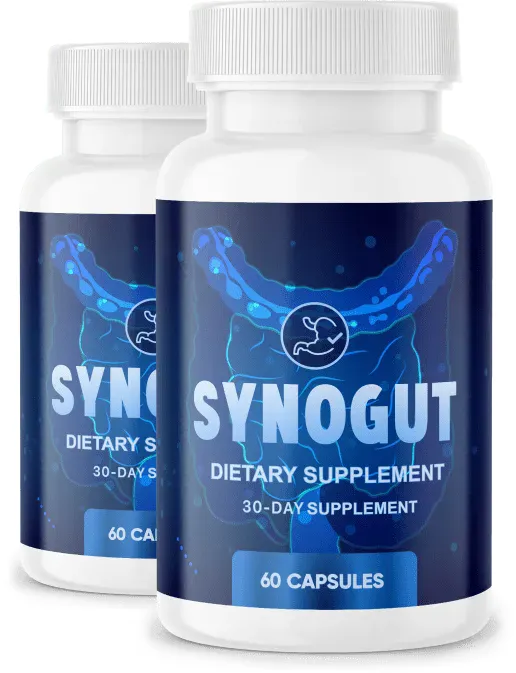
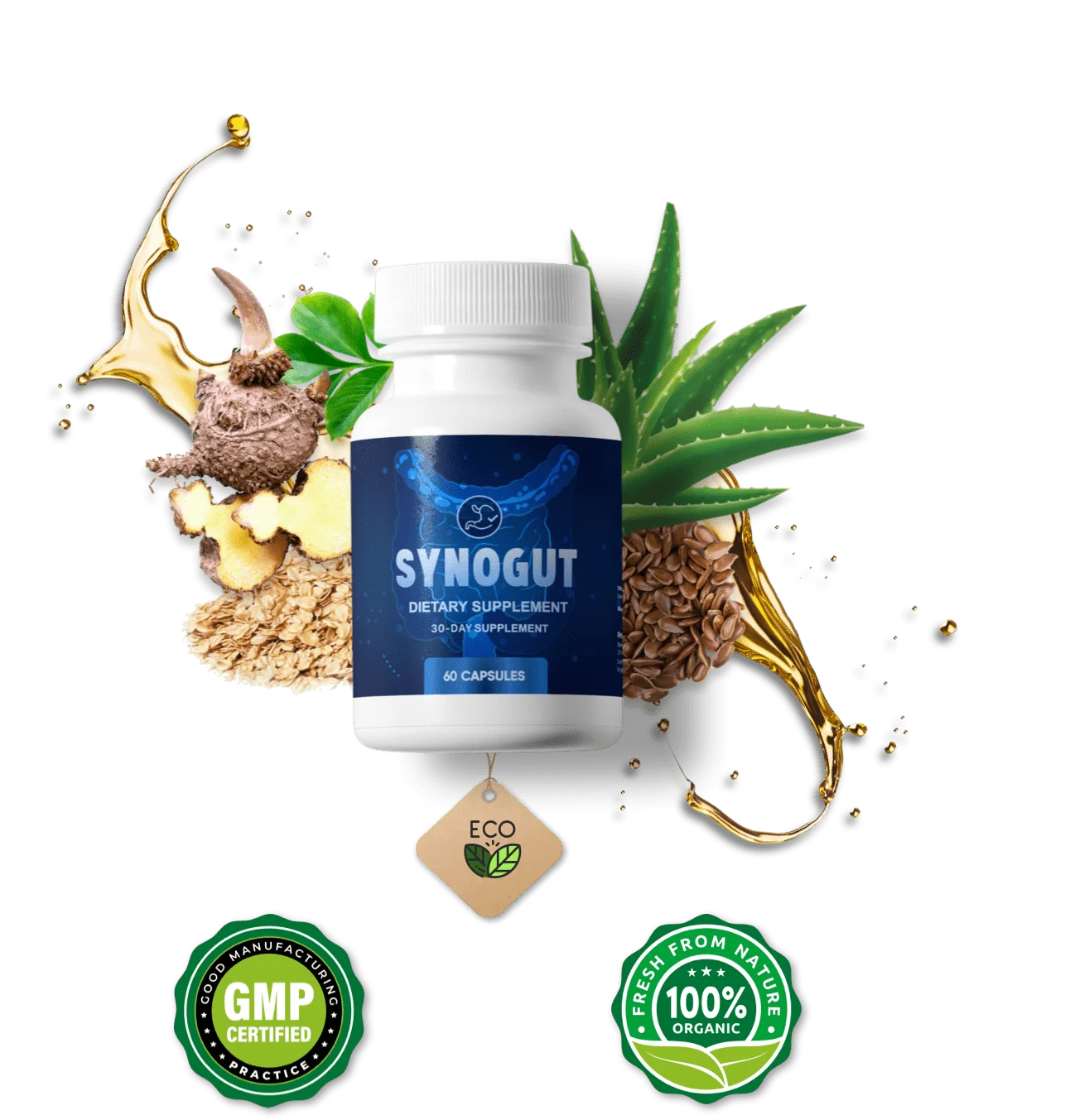
While addressing SIBO requires a multi-faceted approach, incorporating a high-quality, natural supplement can provide foundational support for overall gut health, assisting in detoxification, promoting regularity, and nourishing a balanced microbiome. SynoGut is designed with a blend of ingredients known for their digestive benefits.
Psyllium Husk
Role: A bulk-forming fiber that aids in promoting regular bowel movements, helping to clear waste and maintain gut motility. This can be beneficial in preventing the stagnation that contributes to SIBO.
Bentonite Clay
Role: Acts as a natural detoxifier, binding to toxins and heavy metals in the gut to facilitate their elimination. It can also help soothe the digestive tract and improve stool consistency.
Lactobacillus Acidophilus
Role: A well-known probiotic strain that supports a healthy balance of gut flora, aids in digestion, and strengthens the gut barrier. Introducing beneficial bacteria can help crowd out opportunistic pathogens.
Prune Extract
Role: A natural laxative and source of fiber, prune extract assists in maintaining regularity and preventing constipation, a common issue that can exacerbate SIBO symptoms.
Aloe Vera
Role: Known for its soothing and anti-inflammatory properties, aloe vera can help calm an irritated digestive tract and support the healing of the gut lining.
Oat Bran
Role: A soluble fiber that supports healthy digestion, helps lower cholesterol, and promotes satiety. It adds bulk to stool, aiding in regular elimination.
Apple Pectin
Role: A soluble fiber that acts as a prebiotic, feeding beneficial gut bacteria and supporting healthy bowel function. It can also help regulate blood sugar levels.
Glucomannan
Role: A powerful soluble fiber that absorbs water, forming a viscous gel that promotes feelings of fullness, supports healthy blood sugar, and aids in regular bowel movements.
Black Walnut Hull
Role: Traditionally used for its antiparasitic and antifungal properties, it can contribute to a balanced gut environment by helping to eliminate unwanted organisms.
Experience the Difference with SynoGut for Optimal Digestive Health
If you're seeking a natural way to support your digestive system and promote a healthy gut, SynoGut offers a carefully crafted blend of ingredients. It's designed to assist your body's natural processes, helping you achieve greater comfort and well-being.
- ✓ Supports healthy digestion and regularity
- ✓ Promotes a balanced gut microbiome
- ✓ Aids in natural detoxification processes
- ✓ Formulated with potent natural ingredients
- ✓ Made in an FDA-approved, GMP-certified facility



What Our Customers Say About Their Gut Health Journey
"After years of frustrating IBS symptoms and constant bloating, I decided to try a more natural approach. SynoGut has been a game-changer. My digestion feels smoother, and the discomfort is significantly reduced. I finally feel like I'm getting my gut back on track!"
"I was skeptical at first, but the blend of natural ingredients in SynoGut really appealed to me. I've noticed a remarkable improvement in my regularity and overall gut comfort. It's a gentle yet effective way to support digestive health, especially when dealing with sensitivities."
"Finding relief from SIBO-related issues felt impossible until I started incorporating SynoGut into my regimen. While it's part of a broader strategy, I truly believe it's helped stabilize my digestion and reduce the severity of my bloating. Highly recommend for anyone seeking natural gut support."
Frequently Asked Questions
What exactly is SIBO and why is it so common?
+SIBO, or Small Intestinal Bacterial Overgrowth, occurs when there's an excessive amount of bacteria, particularly types usually found in the large intestine, migrating into the small intestine. This overgrowth ferments carbohydrates, producing gases that lead to bloating, pain, and altered bowel habits. It's common due to factors like impaired gut motility, low stomach acid, structural abnormalities, and frequent antibiotic use, all of which disrupt the delicate balance of the gut microbiome.
How is SIBO typically diagnosed and what are the main symptoms?
+SIBO is primarily diagnosed through a breath test, which measures hydrogen and methane gases produced by bacteria after consuming a sugar solution. Common symptoms include chronic bloating (often worsening after meals), abdominal pain or discomfort, excessive gas, diarrhea or constipation (or alternating), nausea, and sometimes nutrient deficiencies due to malabsorption. These symptoms frequently overlap with Irritable Bowel Syndrome (IBS), making accurate diagnosis crucial.
Can diet alone effectively treat SIBO?
+While diet is a cornerstone of SIBO management, it's rarely sufficient as a standalone treatment. Diets like the Low-FODMAP diet or specific carbohydrate diet (SCD) aim to starve the overgrown bacteria by limiting fermentable carbohydrates. This can provide significant symptom relief, but often needs to be combined with antimicrobial therapies (herbal or pharmaceutical) and strategies to address the root causes of SIBO to achieve lasting remission. A healthcare professional can guide you on the appropriate dietary approach.
What are some effective natural remedies for SIBO?
+Effective natural remedies for SIBO often include herbal antimicrobials such as oregano oil, berberine, neem, and allicin (from garlic), which help reduce bacterial overgrowth. Probiotics, digestive enzymes, and motility agents (prokinetics) can also play a supportive role. Lifestyle changes like stress reduction, mindful eating, and regular exercise are also crucial. These natural approaches should be used under the guidance of a qualified healthcare practitioner to ensure safety and efficacy.
How does SynoGut support gut health, and is it suitable for SIBO?
+SynoGut is formulated with a blend of natural ingredients including fiber, prebiotics, probiotics, and herbal extracts designed to support overall digestive health, promote regular bowel movements, and nourish beneficial gut bacteria. While SynoGut is not a direct SIBO treatment, its ingredients like psyllium, bentonite clay, and lactobacillus acidophilus can contribute to a balanced gut environment and aid in detoxification, which can be beneficial alongside a comprehensive SIBO protocol. It's always best to consult with your doctor before adding any new supplement, especially with a specific condition like SIBO.
What lifestyle changes can help prevent SIBO recurrence?
+Preventing SIBO recurrence involves addressing its underlying causes. Key lifestyle changes include managing stress through practices like yoga or meditation, ensuring adequate stomach acid production (if low), supporting gut motility with prokinetic agents or regular exercise, and avoiding unnecessary antibiotic use. Mindful eating, chewing food thoroughly, and leaving sufficient time between meals (3-5 hours) to activate the migrating motor complex (MMC) are also vital strategies to keep the small intestine clear of bacterial overgrowth.
Related Articles