Tired of that uncomfortable, swollen feeling after every meal?
Bloating after eating is a common and often distressing symptom that affects millions worldwide. While occasionally experiencing a bit of fullness is normal, persistent or severe bloating can significantly impact your quality of life, making you feel sluggish, uncomfortable, and self-conscious. It's more than just an aesthetic concern; it's often a signal from your digestive system that something isn't quite right.
For many, this uncomfortable sensation is a daily struggle, leaving them searching for answers and relief. Understanding the root causes is the first step towards finding effective solutions, from simple dietary adjustments to advanced natural supplements. This article will delve into the primary culprits behind post-meal bloating and introduce you to a range of natural remedies and lifestyle changes that can help you reclaim your digestive peace.
What is Bloating and Why Does It Happen After Eating?
Bloating is the sensation of fullness, tightness, or swelling in the abdomen, often accompanied by visible abdominal distension. While it can be caused by various factors, its occurrence specifically after meals points towards digestive processes and the foods we consume.
At its core, bloating is usually caused by an excessive amount of gas in the gastrointestinal tract. This gas can accumulate due to several reasons, including the **digestion of certain foods**, **swallowing air**, or **imbalances in gut bacteria**. When you eat, your digestive system springs into action, breaking down food. This process, especially the fermentation of undigested food by gut microbes, naturally produces gas. However, for some individuals, this gas production becomes excessive, or their gut becomes hypersensitive to normal gas volumes, leading to the uncomfortable symptoms of bloating.
Understanding the specific triggers is crucial for managing this condition. It's not just about what you eat, but also how you eat, and the overall health of your digestive system. Many people mistakenly attribute bloating solely to weight gain, but it’s a distinct physiological process. The abdomen can expand significantly due to gas and fluid retention, even in individuals who are otherwise at a healthy weight. Identifying the root cause is paramount for effective management and long-term relief.
💡 Key Takeaway
Bloating after eating is primarily caused by excessive gas in the GI tract, often linked to food digestion, gut bacteria activity, and eating habits, rather than just weight gain.
Common Causes of Bloating After Eating
Pinpointing the exact cause of post-meal bloating can be challenging due to its multifaceted nature. However, several common culprits are frequently identified by digestive health experts.
One of the most prevalent causes is **dietary factors**. Certain foods are known to produce more gas during digestion than others. These include:
- High-FODMAP Foods: Fermentable Oligosaccharides, Disaccharides, Monosaccharides, and Polyols are types of carbohydrates that can be poorly absorbed in the small intestine. They then travel to the large intestine where gut bacteria ferment them, producing gas and causing bloating, especially in individuals with sensitive guts like those with Irritable Bowel Syndrome (IBS). Examples include wheat, onions, garlic, apples, pears, beans, and certain dairy products.
- Fiber-Rich Foods: While fiber is essential for digestive health, a sudden increase in fiber intake or consuming large amounts of insoluble fiber can lead to increased gas and bloating as the gut adjusts.
- Carbonated Beverages: Drinks like soda and sparkling water introduce air into the digestive system, which can get trapped and cause distension.
- Artificial Sweeteners: Sugar alcohols such as sorbitol, mannitol, and xylitol, found in many sugar-free products, are poorly absorbed and can lead to gas, bloating, and diarrhea.
Beyond specific foods, **eating habits** play a crucial role. Eating too quickly, talking while eating, or drinking through a straw can lead to swallowing excessive air (aerophagia), which accumulates in the stomach and intestines, resulting in bloating and belching. Overeating, especially large, heavy meals, can also overwhelm the digestive system, slowing down gastric emptying and promoting a feeling of fullness and distension.
Underlying **medical conditions** are significant contributors to chronic bloating.
- Irritable Bowel Syndrome (IBS): As mentioned, IBS is a functional gastrointestinal disorder where the gut is hypersensitive and may react strongly to gas, leading to pain and bloating. The irregular motility and altered gut-brain axis in IBS patients make them particularly prone to post-meal discomfort.
- Small Intestinal Bacterial Overgrowth (SIBO): This condition occurs when there's an excessive amount of bacteria in the small intestine, where they shouldn't typically be in large numbers. These bacteria ferment food particles too early in the digestive process, leading to significant gas production, bloating, and malabsorption.
- Food Intolerances and Allergies: Conditions like lactose intolerance (inability to digest lactose sugar in dairy) or celiac disease (an autoimmune reaction to gluten) can cause severe bloating, gas, and other digestive symptoms after consuming trigger foods.
- Hormonal Fluctuations: Women often experience bloating around their menstrual cycle, during pregnancy, or menopause due to hormonal shifts that can affect gut motility and fluid retention.
Finally, the **gut microbiome** plays a central role. An imbalance in gut bacteria, known as dysbiosis, can lead to inefficient digestion and increased gas production. When beneficial bacteria are outnumbered by harmful ones, the gut's ability to process food effectively is compromised, resulting in various digestive complaints, including persistent bloating. Even stress and anxiety can exacerbate bloating by affecting gut motility and sensitivity, highlighting the powerful **gut-brain connection**.
The Link Between Bloating and Irritable Bowel Syndrome (IBS)
For many individuals, chronic bloating isn't just an isolated symptom but a defining characteristic of Irritable Bowel Syndrome (IBS). Understanding this connection is vital for effective management.
IBS is a common functional gastrointestinal disorder that affects the large intestine. Symptoms include cramping, abdominal pain, bloating, gas, and diarrhea or constipation, or both. Bloating is consistently reported as one of the most bothersome symptoms by IBS patients, significantly impacting their daily lives and quality of life. The exact mechanisms behind IBS-related bloating are complex and involve several factors:
Visceral Hypersensitivity
Individuals with IBS often have a heightened sensitivity to normal sensations in the gut. Even small amounts of gas or distension that wouldn't bother others can be perceived as painful and severely uncomfortable, leading to significant bloating.
Altered Gut Motility
The movement of food through the digestive tract can be either too fast or too slow in IBS patients. Slow transit can lead to increased fermentation and gas production, while rapid transit can also cause discomfort and bloating due to inefficient digestion.
Gut Microbiome Imbalance
Dysbiosis, an imbalance of gut bacteria, is frequently observed in IBS patients. This can lead to increased gas production from the fermentation of undigested food, contributing directly to bloating and abdominal distension. The types of bacteria present can greatly influence gas output.
Dietary Triggers
Many IBS sufferers find that certain foods, particularly high-FODMAP foods, trigger their symptoms, including bloating. These foods are poorly absorbed and fermented by gut bacteria, leading to gas and discomfort. Identifying and managing these triggers is a cornerstone of IBS treatment.
Gut-Brain Axis Dysfunction
The intricate connection between the brain and the gut plays a significant role in IBS. Stress, anxiety, and other psychological factors can directly influence gut function, exacerbating symptoms like bloating through changes in motility, secretion, and visceral sensitivity.
Managing IBS-related bloating often requires a multi-faceted approach, combining dietary modifications, stress management, and targeted supplements. For some, finding the right combination of strategies can significantly improve their quality of life. Learn more about managing IBS symptoms and other digestive issues in our article on effective digestive health remedies.
Natural Remedies for Bloating After Eating
While the causes of bloating are varied, many individuals can find significant relief through natural remedies and lifestyle adjustments. These approaches focus on supporting healthy digestion and reducing gas production.
1. Dietary Adjustments:
- Low-FODMAP Diet: For those with IBS or suspected food sensitivities, a temporary low-FODMAP diet, guided by a dietitian, can help identify trigger foods. Gradually reintroducing foods allows you to pinpoint specific culprits.
- Mindful Eating: Slow down your meals. Chew your food thoroughly, put your fork down between bites, and avoid talking excessively while eating. This reduces air swallowing and aids in better digestion.
- Hydration: Drink plenty of water throughout the day, especially between meals. Adequate hydration helps soften stool, preventing constipation which can contribute to bloating. Avoid sugary drinks and excessive caffeine.
- Gradual Fiber Increase: If your diet is low in fiber, increase it slowly to allow your gut to adjust. Soluble fiber (found in oats, psyllium, flaxseeds) can be particularly helpful for regularity and reducing bloating.
- Identify Food Sensitivities: Keep a food diary to track what you eat and when you experience bloating. This can help identify common triggers like dairy, gluten, or certain vegetables.
2. Lifestyle Changes:
- Stress Management: The gut-brain axis is powerful. High stress levels can disrupt digestion and exacerbate bloating. Practices like yoga, meditation, deep breathing exercises, or spending time in nature can significantly reduce stress.
- Regular Physical Activity: Exercise helps stimulate gut motility, moving gas through the digestive system more effectively. Even a brisk walk after a meal can aid digestion and reduce bloating.
- Adequate Sleep: Prioritizing 7-9 hours of quality sleep can improve overall gut health and reduce inflammation, which can contribute to digestive discomfort.
- Avoid Smoking and Excessive Alcohol: Both smoking and heavy alcohol consumption can irritate the digestive tract and lead to increased bloating and other GI issues.
3. Herbal Remedies and Supplements:
- Peppermint Oil: Often used in enteric-coated capsules, peppermint oil can relax the smooth muscles of the intestine, reducing spasms and gas.
- Ginger: Known for its anti-inflammatory and digestive properties, ginger can help accelerate gastric emptying and reduce feelings of fullness. Try ginger tea after meals.
- Fennel Seeds: These have carminative properties, meaning they help expel gas from the intestines. Chewing a small amount of fennel seeds after a meal or drinking fennel tea can be beneficial.
- Chamomile: A gentle herb with anti-inflammatory and antispasmodic properties, chamomile tea can soothe an upset stomach and reduce cramping.
- Probiotics: Supplements containing beneficial bacteria can help restore a healthy gut microbiome, improving digestion and reducing gas and bloating. Look for strains like Lactobacillus and Bifidobacterium.
- Digestive Enzymes: These supplements can help break down complex carbohydrates, fats, and proteins, especially for those with enzyme deficiencies or specific food intolerances (e.g., lactase for lactose intolerance).
It's important to approach natural remedies systematically and observe how your body responds. What works for one person may not work for another. Consulting a healthcare professional or a registered dietitian can provide personalized guidance, especially if you suspect underlying conditions like IBS or SIBO. Remember to always consult your physician before starting any new supplement regimen, especially if you have existing health conditions or are taking medications.
SynoGut: A Natural Approach to Digestive Comfort
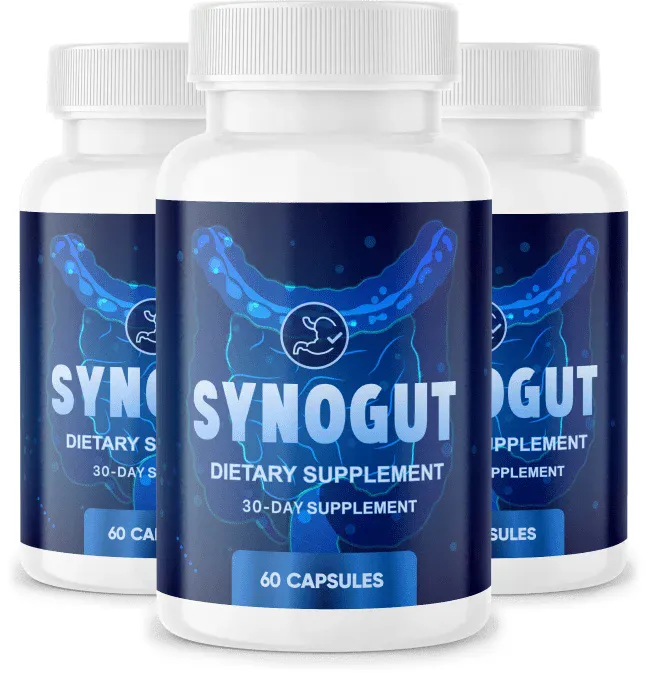
While individual remedies can offer relief, a holistic approach that supports multiple aspects of digestive health can be even more effective. SynoGut is a natural dietary supplement designed to provide comprehensive support for gut health, targeting common issues like bloating, gas, and irregular bowel movements.
SynoGut's formula is based on the idea that optimal digestion stems from a balanced gut microbiome, efficient nutrient absorption, and a healthy gut lining. It combines various ingredients known for their synergistic effects in promoting digestive wellness. This supplement is crafted to be a natural aid for those seeking to alleviate the discomfort of bloating after eating and improve their overall gut function. Many users have reported positive experiences; you can read some of their stories on our SynoGut real results page.
Key Ingredients in SynoGut and Their Role in Digestive Comfort
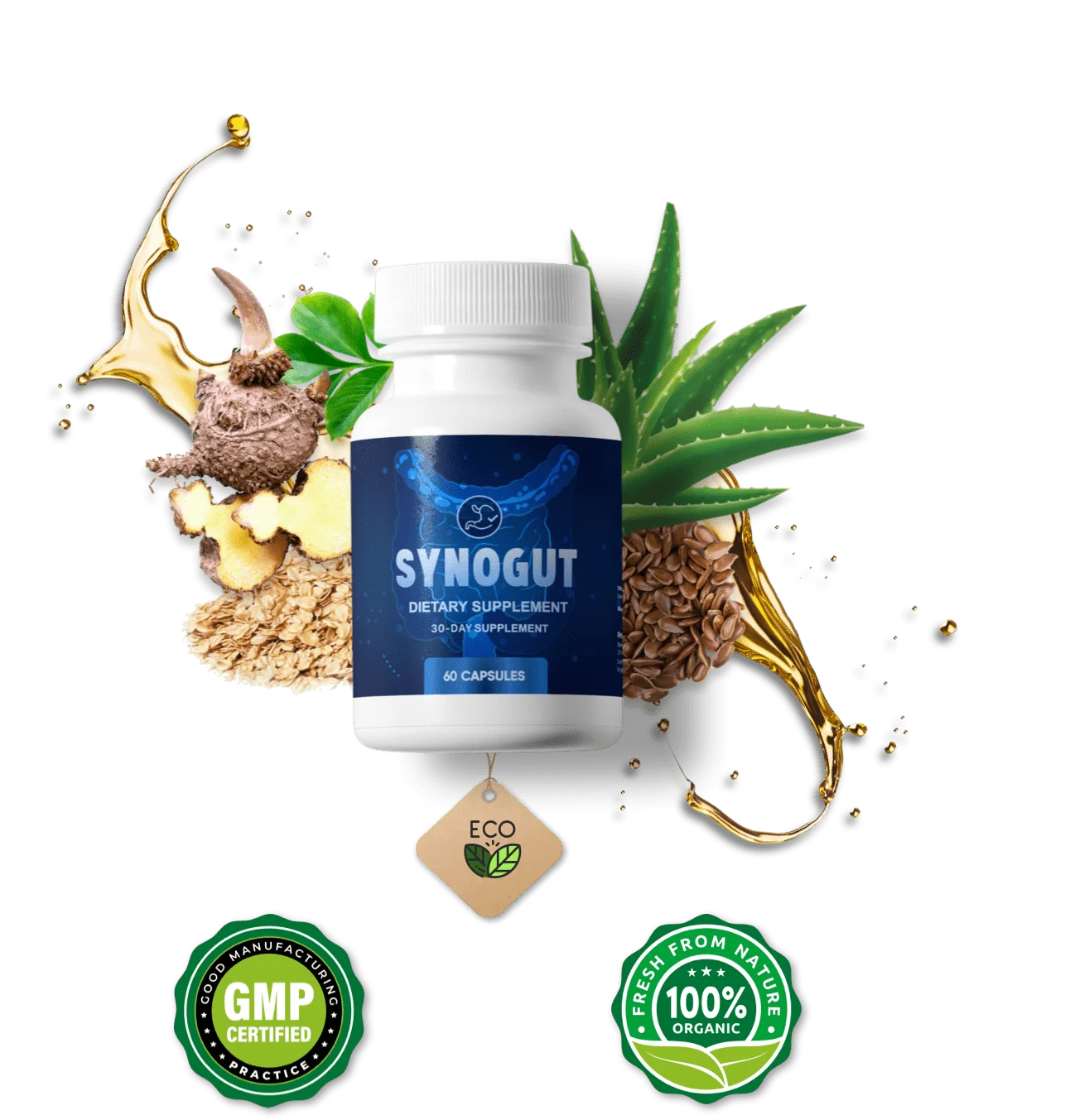
Psyllium Husk
Role: A bulk-forming laxative, psyllium is a rich source of soluble fiber. It absorbs water in the gut, forming a gel that aids in smooth bowel movements, preventing both constipation and diarrhea. This promotes regularity and helps reduce bloating caused by slow transit.
Bentonite Clay
Role: This natural clay is known for its detoxifying properties. It can bind to toxins and heavy metals in the gut, helping to remove them from the body. By cleansing the digestive tract, it supports a healthier environment for beneficial bacteria and may reduce inflammation.
Black Walnut Hull
Role: Traditionally used for its natural antimicrobial properties, black walnut hull helps maintain a healthy balance of gut flora. It can deter the overgrowth of harmful bacteria and parasites, contributing to a more balanced microbiome and reduced gas production.
Oat Bran
Role: Another excellent source of dietary fiber, oat bran supports digestive regularity and helps maintain healthy cholesterol levels. Its fiber content adds bulk to stool, facilitating easier passage and preventing the buildup that can lead to bloating.
Flaxseed
Role: Rich in both soluble and insoluble fiber, flaxseed promotes healthy bowel function and provides omega-3 fatty acids. It helps regulate transit time, reduces constipation, and its mucilage content can soothe the digestive tract, easing discomfort.
Aloe Vera
Role: Known for its soothing and anti-inflammatory properties, aloe vera can calm irritation in the digestive lining. It also acts as a natural laxative, helping to relieve constipation and promote regularity, which in turn can reduce bloating.
L. Acidophilus
Role: A well-known probiotic strain, L. Acidophilus helps restore and maintain a healthy balance of beneficial bacteria in the gut. This supports efficient digestion, reduces the fermentation of undigested food, and minimizes gas and bloating.
Apple Pectin
Role: A soluble fiber found in apples, pectin acts as a prebiotic, feeding beneficial gut bacteria. This supports a healthy microbiome, aids in digestion, and can help regulate bowel movements, contributing to reduced bloating.
Glucomannan
Role: A soluble dietary fiber derived from the konjac plant, glucomannan absorbs water to form a viscous gel. It helps promote feelings of fullness, supports healthy weight management, and aids in maintaining regularity, which can alleviate bloating.
By combining these powerful ingredients, SynoGut offers a multi-pronged approach to digestive health, addressing gut flora balance, regularity, detoxification, and soothing the digestive tract. This comprehensive formula aims to tackle the various underlying causes of bloating and discomfort after eating, providing a natural path to better digestive well-being. Is SynoGut the right choice for you? Find out more in our honest review of SynoGut.
Beyond Supplements: Integrating Natural Solutions for Lasting Relief
While supplements like SynoGut can be a valuable part of your digestive health strategy, true and lasting relief from bloating often comes from a holistic approach that integrates dietary, lifestyle, and supplemental changes.
Think of your digestive system as a complex ecosystem. No single solution can fix all problems, but a combination of thoughtful choices can create an environment where your gut thrives. For instance, even the most potent probiotic supplement will struggle if your diet is consistently high in processed foods, sugar, and unhealthy fats. Similarly, managing stress with meditation can significantly enhance the effectiveness of dietary changes designed to reduce bloating. The goal is to build sustainable habits that support your digestive health day in and day out.
Consider creating a personalized digestive wellness plan. This might involve:
- Meal Planning: Preparing meals that are low in your known trigger foods and rich in easily digestible, whole ingredients.
- Scheduled Eating: Eating at regular intervals and avoiding large meals close to bedtime can give your digestive system time to process food efficiently.
- Movement Breaks: Incorporating short walks after meals to aid digestion and reduce gas buildup.
- Hydration Reminders: Using an app or setting alarms to ensure you're drinking enough water throughout the day.
- Mind-Body Practices: Dedicating time each day to stress-reducing activities, whether it's deep breathing, journaling, or a gentle yoga session.
The journey to lasting digestive comfort is often one of experimentation and self-discovery. Pay attention to your body's signals, be patient with the process, and don't hesitate to seek professional guidance when needed. By combining effective natural remedies, smart lifestyle choices, and targeted support from supplements like SynoGut, you can significantly reduce bloating after eating and enjoy a life of greater comfort and vitality.
Ready to Experience Digestive Comfort and Say Goodbye to Bloating?
SynoGut offers a unique blend of natural ingredients designed to support a healthy digestive system, reduce bloating, and promote overall gut wellness. Reclaim your comfort and confidence after every meal.
- ✓ Supports a balanced gut microbiome
- ✓ Aids in healthy digestion and regularity
- ✓ Helps reduce gas and bloating
- ✓ Made with 100% natural, plant-based ingredients
- ✓ Manufactured in a GMP-certified facility




What Our Customers Are Saying About SynoGut
"I've struggled with bloating after almost every meal for years, especially with my IBS. SynoGut has been a game-changer. I feel lighter, more comfortable, and my digestion is finally regular. Highly recommend!"
"After trying countless remedies for my chronic bloating, SynoGut truly made a difference. The discomfort is significantly reduced, and I no longer dread eating. It's gentle and effective, exactly what I needed."
"I was skeptical at first, but SynoGut has really improved my digestive health. Less gas, less bloating, and I feel more energetic because my stomach isn't constantly upset. It's become a staple in my daily routine."
Frequently Asked Questions
What are the most common causes of bloating after eating?
+Bloating after eating can stem from various factors, including dietary choices (like high-FODMAP foods, carbonated drinks, or artificial sweeteners), eating habits (eating too fast, overeating), and underlying medical conditions such as Irritable Bowel Syndrome (IBS), Small Intestinal Bacterial Overgrowth (SIBO), or food intolerances. Imbalances in gut bacteria and stress also play significant roles.
How does Irritable Bowel Syndrome (IBS) contribute to post-meal bloating?
+IBS is a common functional gastrointestinal disorder characterized by symptoms like abdominal pain, cramping, changes in bowel habits, and significantly, bloating. For individuals with IBS, the gut can be hypersensitive to gas and distension. Certain foods, stress, and disruptions in gut motility or microbiota can trigger exaggerated bloating responses after meals, making it a primary and often debilitating symptom.
What natural remedies can help reduce bloating after eating?
+Many natural remedies can alleviate post-meal bloating. These include making dietary adjustments like reducing high-FODMAP foods and increasing fiber gradually, practicing mindful eating, staying hydrated, and incorporating herbal teas such as peppermint, ginger, or fennel. Probiotic supplements, digestive enzymes, and stress-reduction techniques like yoga or meditation are also highly effective in managing bloating naturally.
When should I be concerned about bloating and seek medical advice?
+While occasional bloating is normal, you should consult a doctor if your bloating is persistent, severe, accompanied by significant pain, unexplained weight loss, changes in bowel habits, blood in stool, or fever. These symptoms could indicate a more serious underlying condition that requires medical diagnosis and treatment beyond natural remedies. It's always best to rule out serious issues with a healthcare professional.
Can lifestyle changes significantly impact bloating?
+Absolutely. Lifestyle changes are crucial for managing bloating. Regular physical activity can help move gas through your digestive system. Stress management techniques like meditation, deep breathing, and adequate sleep can reduce the gut's sensitivity to bloating triggers. Avoiding smoking, limiting alcohol, and ensuring proper hydration also contribute significantly to a healthier digestive system and reduced bloating episodes.
How can SynoGut help with bloating and digestive comfort?
+SynoGut is formulated with a blend of natural ingredients known for their digestive benefits. It contains prebiotics and probiotics to support a balanced gut microbiome, fiber sources to aid regularity and healthy digestion, and herbal extracts like psyllium, bentonite clay, and aloe vera, which are traditionally used to soothe the digestive tract and reduce gas and bloating. It aims to address multiple facets of digestive health to provide comprehensive relief from post-meal discomfort.
Related Articles