Are you confused about probiotics and prebiotics, and which one your gut truly needs?
In the vast landscape of digestive health, two terms frequently surface: probiotics and prebiotics. While often mentioned in the same breath, they play distinct yet complementary roles in nurturing your gut microbiome. For millions worldwide, including those grappling with conditions like Irritable Bowel Syndrome (IBS), understanding this difference isn't just academic; it's a critical step towards genuine relief and improved well-being.
This comprehensive guide, authored by a digestive health researcher and reviewed by a board-certified gastroenterologist, will demystify these powerful allies, explaining what they are, how they function, and why their synergistic relationship is key to fostering a balanced and thriving gut microbiome. Prepare to unlock the secrets to a healthier digestive system.
The Foundation of Health: Understanding Your Gut Microbiome
Before diving into probiotics and prebiotics, it's essential to grasp the concept of the gut microbiome – the bustling community of trillions of microorganisms residing in your digestive tract.
This intricate ecosystem, primarily located in your large intestine, comprises bacteria, viruses, fungi, and other microbes. Far from being mere passengers, these microscopic residents play an incredibly vital role in almost every aspect of your health. A **diverse and balanced gut microbiome** is crucial for proper digestion, nutrient absorption, immune system regulation, and even mental well-being. When this delicate balance is disrupted, a state known as **dysbiosis**, it can lead to a myriad of health issues, including inflammatory conditions, metabolic disorders, and common digestive complaints like bloating, gas, and abdominal pain. For individuals living with **Irritable Bowel Syndrome (IBS)**, dysbiosis is often a significant contributing factor to their symptoms, making targeted gut support even more critical.
Probiotics: The Live 'Good Guys' for Your Gut
Probiotics are perhaps the more commonly recognized term in gut health discussions. But what exactly are they, and how do they exert their beneficial effects?
Simply put, **probiotics are live microorganisms** – primarily bacteria and sometimes yeasts – that, when administered in adequate amounts, confer a health benefit on the host. Think of them as reinforcements for your existing beneficial gut bacteria. They don't just pass through; they actively colonize your digestive tract, helping to restore and maintain a healthy balance within the microbiome. These beneficial microbes compete with harmful bacteria for resources and attachment sites, produce antimicrobial compounds, and strengthen the gut barrier. The most well-researched probiotic genera include **Lactobacillus** (found in yogurt and fermented foods) and **Bifidobacterium** (common in the large intestine), each with numerous species and strains offering unique benefits.
How Probiotics Work Their Magic:
- Balancing the Microbiome: They increase the population of beneficial bacteria, outcompeting pathogenic (bad) bacteria.
- Digestive Support: Aid in the breakdown of food, synthesize certain vitamins (like B vitamins and vitamin K), and improve the absorption of nutrients.
- Immune System Modulation: A significant portion of your immune system resides in your gut. Probiotics interact with immune cells, helping to regulate immune responses and potentially reduce the incidence and severity of infections.
- Gut Barrier Integrity: They help strengthen the intestinal lining, preventing "leaky gut" where harmful substances can pass into the bloodstream.
- Mental Well-being: The **gut-brain connection** is profound. Probiotics can influence the production of neurotransmitters like serotonin, potentially impacting mood, stress, and anxiety. You can learn more about this fascinating link in our article on the gut-brain connection and its impact on mental health.
- Inflammation Reduction: Certain strains can produce anti-inflammatory compounds, which is particularly beneficial for conditions like IBS.
Probiotics can be found naturally in **fermented foods** such as yogurt, kefir, sauerkraut, kimchi, miso, tempeh, and kombucha. They are also widely available as dietary supplements in various forms, including capsules, powders, and liquids.
Prebiotics: The Fuel for Your Gut's 'Good Guys'
While probiotics introduce beneficial bacteria, prebiotics play an equally crucial, albeit different, role: they feed them. Think of prebiotics as the fertilizer for your gut garden.
**Prebiotics are non-digestible fibers** that selectively stimulate the growth and activity of beneficial bacteria in the colon. Unlike other fibers, prebiotics are not broken down by human digestive enzymes in the upper gastrointestinal tract. Instead, they travel intact to the large intestine, where they are fermented by beneficial bacteria, primarily Bifidobacteria and Lactobacilli. This fermentation process produces important byproducts, most notably **short-chain fatty acids (SCFAs)** like butyrate, acetate, and propionate, which are vital for gut health and overall well-being. Key prebiotic types include **Fructans** (like inulin and fructooligosaccharides, FOS) and **Galactooligosaccharides (GOS)**.
The Indispensable Benefits of Prebiotics:
- Fueling Probiotics: Their primary role is to nourish beneficial gut bacteria, helping them to multiply and thrive, thereby enhancing the effectiveness of probiotics.
- SCFA Production: The fermentation of prebiotics by gut bacteria leads to the production of SCFAs. Butyrate, in particular, is a primary energy source for colon cells, supporting the integrity of the gut lining and reducing inflammation.
- Improved Mineral Absorption: Some prebiotics can enhance the absorption of essential minerals like calcium and magnesium, contributing to bone health.
- Bowel Regularity: As a type of fiber, prebiotics add bulk to stool and can help soften it, promoting regular bowel movements and alleviating constipation. This is especially helpful for individuals experiencing the constipation-dominant form of IBS (IBS-C).
- Immune System Support: By fostering a healthy gut microbiome and reducing inflammation, prebiotics indirectly contribute to a stronger immune system.
- Blood Sugar Regulation: Some research suggests prebiotics may help improve glucose metabolism and insulin sensitivity.
Prebiotics are abundant in many plant-based foods. Excellent natural sources include **garlic, onions, leeks, asparagus, bananas, apples, oats, flaxseeds, chicory root, dandelion greens, and various legumes**.
💡 Key Takeaway
Probiotics are the "good bacteria" you introduce to your gut, while prebiotics are the "food" that helps these beneficial bacteria grow and flourish. Both are essential for a balanced gut microbiome, optimal digestion, strong immunity, and managing conditions like IBS.
The Power of Partnership: Why Synbiotics Are Superior
When probiotics and prebiotics are combined, they form a synergistic powerhouse known as **synbiotics**. This combination offers amplified benefits that often surpass those of taking either component alone.
The concept behind synbiotics is simple yet profound: providing the live beneficial bacteria (probiotics) along with the specific food (prebiotics) they need to survive, grow, and exert their effects more efficiently. This ensures that the probiotics have the best possible chance of colonizing the gut and flourishing, leading to a more robust and sustained positive impact on the host's health. For someone looking to comprehensively support their digestive system and especially for those dealing with the challenges of IBS, a synbiotic approach can be particularly impactful.
Enhanced Benefits of Synbiotics:
- Improved Probiotic Survival: Prebiotics protect probiotics from harsh stomach acids and digestive enzymes, increasing their chances of reaching the colon alive and viable.
- Greater Colonization: By providing a direct food source, prebiotics help the probiotic strains to establish and multiply more effectively in the gut.
- Broader Health Impact: The combined action leads to a more diverse and healthier microbiome, translating to enhanced digestive function, stronger immune responses, and potentially better mental health outcomes.
- Targeted Support for IBS: For individuals with IBS, synbiotics can offer a multi-faceted approach to symptom management. Probiotics address microbial imbalance and inflammation, while prebiotics nourish beneficial flora, supporting gut barrier function and promoting regular bowel movements without necessarily causing the initial discomfort that some standalone prebiotics might.
- Optimized SCFA Production: A thriving population of beneficial bacteria, fueled by prebiotics, will produce more beneficial SCFAs, further enhancing gut health.
The goal is not just to introduce good bacteria, but to create an environment where they can truly thrive and make a lasting difference. This is why many advanced gut health supplements now feature a synbiotic blend, providing both the live cultures and their essential nourishment in one convenient formula.
Targeting IBS: How Probiotics and Prebiotics Provide Relief
Irritable Bowel Syndrome (IBS) is a common, chronic gastrointestinal disorder characterized by abdominal pain, bloating, gas, and altered bowel habits (constipation, diarrhea, or both). The exact cause of IBS is unknown, but it's widely believed to involve a complex interplay of gut dysbiosis, gut-brain axis dysfunction, visceral hypersensitivity, and low-grade inflammation. This is where probiotics and prebiotics become incredibly relevant.
Restoring Gut Flora Balance
Many IBS sufferers exhibit an imbalance in their gut microbiome. Probiotics help replenish beneficial bacteria, which can compete with harmful microbes and restore a healthier microbial equilibrium. This rebalancing can directly alleviate symptoms like bloating and gas.
Reducing Gut Inflammation
Low-grade inflammation is often observed in the gut of IBS patients. Specific probiotic strains and the SCFAs produced by prebiotic fermentation have anti-inflammatory properties that can soothe the gut lining and reduce discomfort associated with inflammation.
Improving Gut Motility
Probiotics can help regulate gut transit time, which is often too fast (diarrhea-predominant IBS, IBS-D) or too slow (constipation-predominant IBS, IBS-C). This can lead to more predictable and comfortable bowel movements, reducing both urgency and straining.
Strengthening the Gut Barrier
A compromised gut barrier, or "leaky gut," is thought to contribute to IBS symptoms. Probiotics and prebiotics work to fortify the intestinal lining, preventing toxins and undigested food particles from entering the bloodstream and triggering systemic responses.
Modulating the Gut-Brain Axis
Given the strong connection between the gut and the brain, probiotics can influence neurotransmitter production and reduce visceral hypersensitivity, which contributes to the perception of pain in IBS. This can lead to decreased abdominal pain and discomfort.
Enhancing Nutrient Absorption
A healthy gut microbiome supported by probiotics and prebiotics is more efficient at breaking down food and absorbing essential vitamins and minerals, which can often be compromised in individuals with chronic digestive issues like IBS.
While not a cure for IBS, a targeted synbiotic approach can be a powerful tool in managing symptoms and significantly improving the quality of life for those affected. Always consult with a healthcare professional before starting any new supplement regimen, especially when managing a chronic condition.
Navigating the Supplement Aisle: Choosing the Right Support
With a plethora of probiotic and prebiotic supplements on the market, choosing the right one can feel overwhelming. Here's what to consider to make an informed decision:
When you're looking for a supplement to support your gut health, especially if you have a condition like IBS, quality and formulation matter. It's not just about getting "good bacteria" but ensuring they are the right types, in sufficient quantities, and delivered effectively. Here are key factors to evaluate:
Strain Diversity and Specificity
Look for supplements that contain multiple strains of both Lactobacillus and Bifidobacterium, as different strains offer different benefits. Some strains are particularly well-researched for IBS relief, such as Lactobacillus plantarum, Bifidobacterium infantis, and Bifidobacterium longum. A diverse blend ensures a broader range of support for your gut.
CFU Count
CFU stands for Colony Forming Units, which indicates the number of live and active microorganisms in each dose. For most adults, a supplement with 10-50 billion CFU is often recommended. Ensure the CFU count is guaranteed at the time of expiration, not just at the time of manufacture, as probiotic viability decreases over time.
Prebiotic Fiber Type
If choosing a synbiotic, check the types of prebiotic fibers included. Common and effective prebiotics are FOS (Fructooligosaccharides), GOS (Galactooligosaccharides), and Inulin. These fibers have been shown to selectively feed beneficial bacteria. For individuals with IBS, some prebiotics can cause initial discomfort; starting with lower doses or specific blends might be beneficial.
Quality and Purity
Opt for products from reputable manufacturers that adhere to Good Manufacturing Practices (GMP). Look for third-party testing certifications, which confirm the product's purity, potency, and absence of contaminants. Transparency in labeling is also crucial, listing all ingredients and their exact amounts.
Delivery System
Probiotics are delicate and can be destroyed by stomach acid. Some supplements use delayed-release capsules or enteric coatings to protect the probiotics until they reach the intestines, ensuring maximum efficacy. While not always strictly necessary, it can be an advantage for certain strains.
Ingredient Synergy (Beyond Probiotics/Prebiotics)
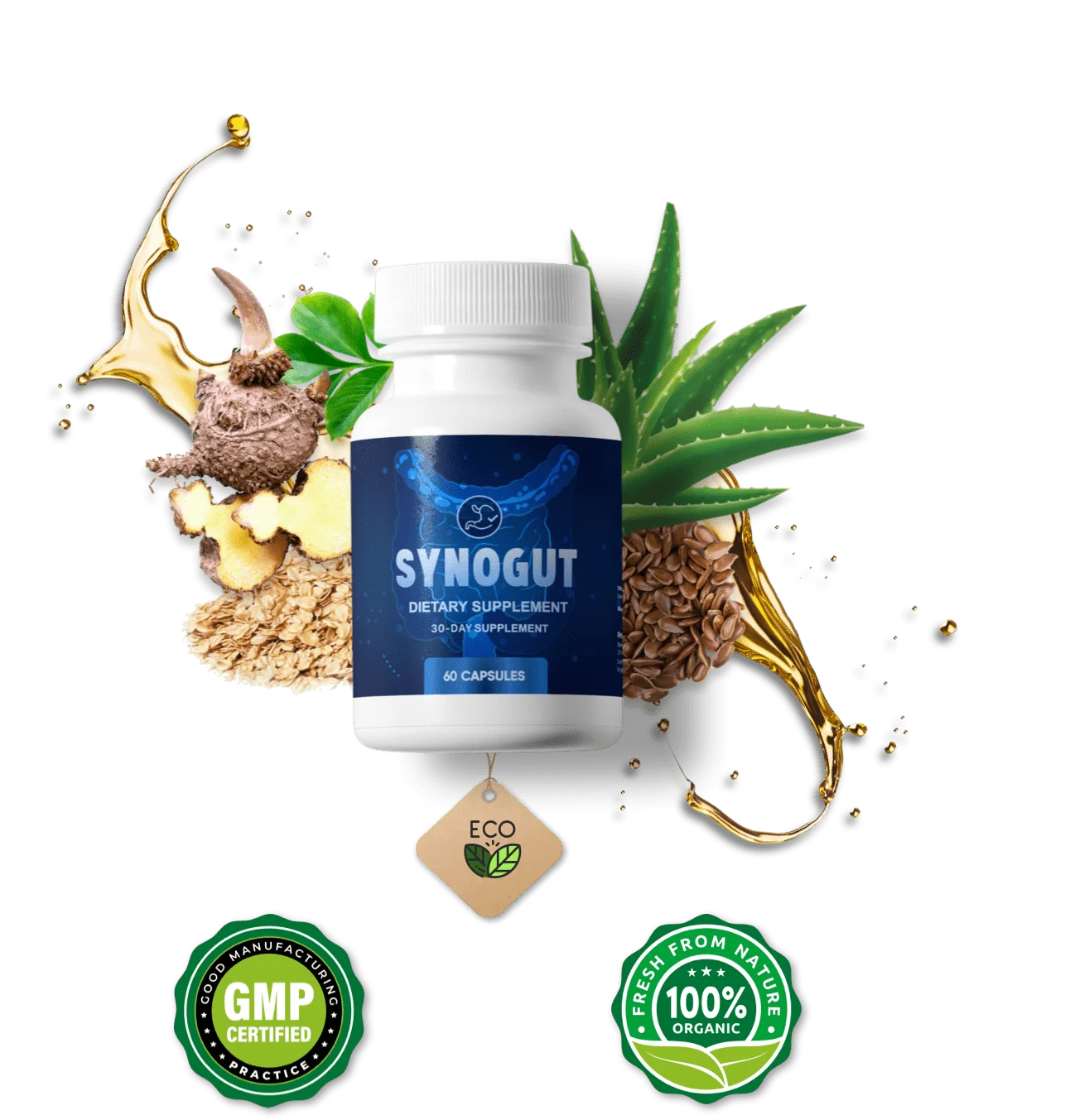
Some comprehensive gut health supplements, like SynoGut, go beyond just probiotics and prebiotics. They may include natural fibers, herbal extracts, and other compounds known to support digestive function, soothe the gut lining, and promote regularity. For a holistic approach, these additional ingredients can be highly beneficial.
Remember, supplements are meant to complement a healthy lifestyle, not replace it. A balanced diet rich in whole foods, adequate hydration, regular exercise, and stress management are all foundational to optimal digestive health. For more tips on natural ways to support your gut, read our article on how to improve digestive health naturally.
SynoGut: A Comprehensive Approach to Gut Health
In the pursuit of optimal gut health, many seek a holistic solution that combines the best of both worlds: probiotics and prebiotics, alongside other natural digestive aids. SynoGut is formulated with this comprehensive approach in mind, aiming to support a healthy digestive system from multiple angles.
Psyllium Husk
A bulk-forming fiber that absorbs water in the gut, making bowel movements easier and promoting regularity. It acts as a powerful prebiotic, feeding beneficial gut bacteria and supporting healthy stool consistency, which is crucial for both IBS-C and IBS-D.
Bentonite Clay
Known for its absorbent properties, Bentonite Clay can help detoxify the digestive tract by binding to toxins and heavy metals, facilitating their removal from the body. It also contributes to gut cleansing and can soothe the digestive lining.
Black Walnut Hull
Traditionally used for digestive support, Black Walnut contains juglone, which has antimicrobial properties. It also provides dietary fiber, further aiding regularity and contributing to a healthy internal environment.
Oat Bran
Rich in soluble fiber, Oat Bran helps regulate digestion, lower cholesterol, and provide a gentle prebiotic effect. It supports a healthy gut microbiome and contributes to feelings of fullness and satiety.
Prune Fruit Powder
A natural laxative due to its high fiber content and sorbitol, Prune Fruit Powder is excellent for promoting bowel regularity and preventing constipation. It also contains antioxidants that support overall digestive health.
Aloe Vera Leaf
Known for its soothing and anti-inflammatory properties, Aloe Vera can help calm an irritated digestive tract. It supports gut healing, reduces discomfort, and promotes healthy bowel function, making it beneficial for sensitive guts.
Lactobacillus Acidophilus
A well-researched probiotic strain, Lactobacillus Acidophilus is crucial for maintaining a healthy balance of gut bacteria. It aids in nutrient absorption, supports immune function, and helps alleviate common digestive issues like gas, bloating, and diarrhea, particularly beneficial for IBS symptoms.
Apple Pectin
This soluble fiber acts as a potent prebiotic, feeding beneficial gut bacteria and promoting the production of short-chain fatty acids. It helps regulate bowel movements and can contribute to a healthy gut lining.
Glucomannan
A soluble dietary fiber derived from the konjac plant, Glucomannan absorbs water to form a gel-like substance, promoting feelings of fullness, aiding weight management, and supporting regular bowel movements. It also has prebiotic properties, nurturing gut flora.
SynoGut's formula is designed to address multiple facets of gut health, from supporting beneficial bacteria with probiotics and prebiotics to promoting regularity with natural fibers and soothing the digestive tract with herbal extracts. This makes it a compelling choice for those seeking comprehensive digestive support. For a more detailed look into its benefits, consider reading our full SynoGut digestive supplement review.
Ready to Embrace a Healthier, Happier Gut?
Don't let digestive discomfort hold you back any longer. SynoGut offers a powerful blend of natural ingredients, probiotics, and prebiotics designed to support your digestive system, promote regularity, and enhance overall gut health. Experience the difference a balanced gut can make in your daily life.
- ✓ Supports a healthy and balanced gut microbiome
- ✓ Promotes regular bowel movements and reduces constipation
- ✓ Helps alleviate bloating, gas, and abdominal discomfort
- ✓ Enhances nutrient absorption and immune function
- ✓ Made with natural ingredients, GMP certified in the USA




What Our Customers Are Saying
"I've struggled with chronic bloating and irregular bowel movements for years. SynoGut has been a game-changer! My digestion feels so much smoother, and the discomfort is finally gone. I feel lighter and more energetic."
"As an IBS sufferer, finding something that actually helps without causing more issues is a huge relief. SynoGut has significantly reduced my abdominal pain and helped me establish a more predictable routine. Highly recommend!"
"I was skeptical at first, but after a few weeks of using SynoGut, I noticed a remarkable difference. My gut feels so much healthier, and I haven't had any of the usual digestive upsets. It's truly transformed my daily comfort."
Frequently Asked Questions
What exactly are probiotics and how do they benefit me?
+Probiotics are live microorganisms, often beneficial bacteria and yeasts, that provide health benefits when consumed in adequate amounts. They work by colonizing your gut, helping to balance the microbiome, improve digestion, enhance nutrient absorption, support immune function, and even influence mood and cognitive health. Common probiotic strains include Lactobacillus and Bifidobacterium.
How do prebiotics differ from probiotics, and why are they important?
+Prebiotics are non-digestible fibers that act as food for beneficial gut bacteria, including probiotics. Unlike probiotics, they are not live organisms themselves. Prebiotics pass through the upper digestive tract undigested and ferment in the colon, stimulating the growth and activity of good bacteria. This process produces beneficial short-chain fatty acids (SCFAs), which support gut barrier integrity, reduce inflammation, and can improve mineral absorption.
Can taking both probiotics and prebiotics together be more effective?
+Yes, combining probiotics and prebiotics, often referred to as synbiotics, can be highly effective. Prebiotics provide the necessary fuel for probiotics to thrive and multiply, enhancing their survival and beneficial effects in the gut. This synergistic approach ensures a more robust and diverse gut microbiome, leading to improved digestive function, stronger immunity, and better overall health outcomes, especially for those managing conditions like Irritable Bowel Syndrome.
How can probiotics and prebiotics specifically help with Irritable Bowel Syndrome (IBS)?
+For individuals with IBS, probiotics can help by modulating gut motility, reducing inflammation, balancing gut flora, and alleviating common symptoms like bloating, gas, abdominal pain, and irregular bowel movements. Prebiotics, by feeding beneficial bacteria, can also contribute to a healthier gut environment, supporting the production of SCFAs that may soothe the gut lining. However, it's crucial to find the right types and dosages, as some prebiotics can initially exacerbate gas and bloating in sensitive individuals.
What should I look for when choosing a probiotic or prebiotic supplement?
+When selecting a supplement, consider several factors: look for diverse strains of probiotics (e.g., Lactobacillus, Bifidobacterium), a high CFU count (billions), and clear labeling regarding viable count at expiration. For prebiotics, identify specific fiber types like FOS, GOS, or inulin. Ensure the product is third-party tested, GMP-certified, and free from unnecessary fillers or allergens. For a comprehensive approach, a synbiotic blend containing both, like SynoGut, can be beneficial.
Are there natural food sources for probiotics and prebiotics?
+Absolutely! Excellent natural sources of probiotics include fermented foods like yogurt (with live active cultures), kefir, sauerkraut, kimchi, miso, tempeh, and kombucha. For prebiotics, focus on fiber-rich foods such as garlic, onions, leeks, asparagus, bananas, apples, oats, flaxseeds, and various legumes. Incorporating a variety of these foods into your diet is a fantastic way to naturally support your gut microbiome.
Related Articles