Are you tired of digestive discomfort dictating your daily life?
For millions worldwide, issues like bloating, gas, stomach pain, and irregular bowel movements are not just occasional annoyances but chronic struggles, often exacerbated by conditions such as Irritable Bowel Syndrome (IBS). The constant search for relief can lead down many paths, but increasingly, people are turning to the wisdom of nature, exploring time-tested herbal remedies.
In this comprehensive guide, we'll delve into the remarkable benefits of three powerful herbs – peppermint, ginger, and slippery elm – for digestive health, particularly how they can offer a natural lifeline for IBS sufferers. Discover their mechanisms, scientific backing, and practical ways to integrate them into your wellness routine, paving the way for a more comfortable and balanced gut in 2026.
The Unseen Epidemic: Understanding Irritable Bowel Syndrome (IBS)
Before diving into herbal remedies, it's essential to grasp the pervasive nature of digestive health challenges, particularly Irritable Bowel Syndrome (IBS).
IBS is a common, chronic disorder that affects the large intestine. Symptoms include cramping, abdominal pain, bloating, gas, and diarrhea or constipation (or both). Unlike inflammatory bowel diseases (IBD) such as Crohn's disease and ulcerative colitis, IBS does not cause inflammation or changes in bowel tissue. However, its symptoms can be debilitating, significantly impacting quality of life. The exact cause of IBS is unknown, but factors like gut-brain axis dysfunction, altered gut microbiota, genetics, and stress are believed to play a role. Living with IBS often means navigating a complex array of triggers and symptoms, making the search for effective, gentle relief paramount. Traditional treatments often involve dietary changes, stress management, and medications to manage specific symptoms, but many individuals seek complementary approaches, including herbal interventions, to find lasting comfort.
💡 Key Takeaway
Digestive issues, especially IBS, affect a significant portion of the population, causing chronic discomfort. While conventional treatments exist, many individuals are exploring natural herbal remedies like peppermint, ginger, and slippery elm for gentle and effective relief.
Peppermint: The Refreshing Antispasmodic for a Calm Gut
Peppermint (Mentha piperita) is far more than just a refreshing flavor; it's a powerful medicinal herb with a long history of use for digestive ailments. Its primary active compound, menthol, gives it its characteristic aroma and therapeutic properties.
Mechanism of Action
Peppermint acts as a natural antispasmodic. Menthol works by blocking calcium channels in the smooth muscles of the gastrointestinal tract, causing them to relax. This relaxation helps to alleviate spasms that contribute to abdominal pain and discomfort, particularly in IBS.
Relief from Bloating and Gas
By relaxing the muscles, peppermint can help trapped gas move through the digestive system more easily, reducing bloating and flatulence. It also possesses carminative properties, which means it helps to prevent the formation of gas in the first place.
IBS Symptom Management
Numerous studies have shown peppermint oil, especially enteric-coated capsules that release the oil in the small intestine, to be effective in reducing IBS symptoms like abdominal pain, bloating, and urgency. It's often recommended as a first-line herbal treatment for IBS.
Forms and Usage
Peppermint can be consumed as a tea (steep fresh or dried leaves), but for targeted IBS relief, enteric-coated peppermint oil capsules are often preferred as they prevent early release in the stomach, which can sometimes cause heartburn. Always follow dosage instructions.
While generally safe, individuals prone to heartburn or GERD should use peppermint cautiously, as it can relax the lower esophageal sphincter, potentially worsening reflux symptoms. Consulting a healthcare professional is always advised.
Ginger: The Warming Remedy for Nausea and Motility
Ginger (Zingiber officinale) is a staple in traditional medicine across cultures, celebrated for its pungent flavor and powerful medicinal properties. Its active compounds, gingerols and shogaols, are responsible for its therapeutic effects.
Ginger is renowned for its ability to combat nausea and vomiting, making it a popular choice for morning sickness, motion sickness, and even chemotherapy-induced nausea. But its benefits extend far beyond that, touching upon various aspects of digestive health. It acts as a natural carminative, helping to expel gas from the intestines and reduce bloating. Furthermore, ginger is considered a prokinetic agent, meaning it helps to stimulate the movement of food through the digestive tract. This can be particularly beneficial for individuals experiencing sluggish digestion or gastroparesis, where stomach emptying is delayed. By speeding up gastric emptying, ginger can alleviate feelings of fullness, discomfort, and indigestion after meals. Its potent anti-inflammatory properties also contribute to soothing the digestive lining, reducing irritation that can be common in conditions like IBS. Consuming ginger regularly, whether fresh, as a tea, or in supplement form, can significantly support overall digestive function and comfort. For those looking for broader digestive support, exploring options like SynoGut vs. Other Gut Supplements can provide insights into how different ingredients work together.
Recommended Usage: Ginger can be enjoyed fresh (grated into hot water for tea, added to meals), dried and powdered in capsules, or as a tincture. For nausea, a small piece of fresh ginger root chewed or ginger tea can provide quick relief. For chronic digestive support, consistent, moderate intake is often recommended.
Slippery Elm: The Soothing Demulcent for Gut Lining Protection
Slippery elm (Ulmus rubra), derived from the inner bark of the slippery elm tree, is a remarkable herb known for its demulcent properties. When mixed with water, it forms a thick, gelatinous substance called mucilage.
Protective Barrier
The mucilage of slippery elm coats and soothes the mucous membranes of the entire digestive tract, from the esophagus to the colon. This creates a protective barrier against irritation from stomach acid, enzymes, and other irritants, making it highly beneficial for conditions like acid reflux, heartburn, and gastritis.
Inflammation Reduction
By protecting the gut lining, slippery elm can help reduce inflammation and irritation, providing relief for conditions such as inflammatory bowel disease (IBD) and diverticulitis. It offers a gentle, natural way to calm an overactive or inflamed gut.
Bowel Regulation
Interestingly, slippery elm can help normalize bowel function, addressing both diarrhea and constipation. For diarrhea, its bulk-forming properties can help solidify loose stools. For constipation, the mucilage adds moisture and bulk, promoting smoother passage of stool and easing discomfort. This makes it a versatile ally for IBS-D and IBS-C subtypes.
Nutrient Absorption
While forming a protective layer, slippery elm can also improve nutrient absorption by creating a healthier environment for digestion. It supports the integrity of the gut barrier, which is crucial for preventing "leaky gut" syndrome.
Important Note: Due to its coating properties, slippery elm can interfere with the absorption of other medications or supplements if taken at the same time. It's generally recommended to take slippery elm at least 1-2 hours apart from other oral medications. Slippery elm is typically available as a powder, which can be mixed with water to form a gruel, or in capsule form. Always ensure you are purchasing pure slippery elm bark powder from reputable sources.
Integrating Herbal Wisdom: Practical Tips for Digestive Wellness
Incorporating peppermint, ginger, and slippery elm into your daily routine can be a game-changer for digestive health, but it's part of a larger holistic approach.
1. Start Low, Go Slow: When introducing any new herb, begin with a small dose to assess your body's reaction. Gradually increase the dosage as needed, always adhering to recommended guidelines.
2. Quality Matters: Source your herbs from reputable suppliers to ensure purity and potency. Organic and wild-harvested options are often preferable.
3. Listen to Your Body: Pay attention to how each herb affects your symptoms. What works for one person might not work for another. Keep a journal to track your intake and symptoms.
4. Consult a Professional: Especially if you have a pre-existing medical condition, are pregnant or breastfeeding, or are taking medications, consult with a healthcare provider or a qualified herbalist before starting any new herbal regimen. This is particularly important for conditions like Irritable Bowel Syndrome, where personalized advice can be invaluable.
5. Holistic Lifestyle: Remember that herbs are powerful allies, but they work best when supported by a healthy lifestyle. This includes a balanced diet rich in whole foods, adequate hydration, regular physical activity (consider Exercises to Improve Digestion and Gut Motility), and effective stress management techniques. Stress is a major trigger for IBS symptoms, so incorporating practices like meditation, yoga, or deep breathing can significantly enhance the benefits of herbal remedies.
6. Dietary Awareness: While herbs can provide relief, identifying and avoiding personal dietary triggers remains crucial for IBS management. Common triggers include high-FODMAP foods, dairy, gluten, and excessive caffeine or alcohol. A food diary can help pinpoint your unique sensitivities.
By combining targeted herbal support with comprehensive lifestyle adjustments, you can create a powerful strategy for long-term digestive comfort and overall well-being.
Beyond Individual Herbs: A Comprehensive Approach to Gut Health
While peppermint, ginger, and slippery elm offer targeted relief for specific digestive issues, optimal gut health often requires a multi-faceted approach. Many individuals find benefit in combining various natural ingredients that work synergistically to support diverse aspects of digestive function, from fiber intake and detoxification to microbial balance and gut lining integrity.
This is where comprehensive supplements can play a role, offering a blend of ingredients designed to address multiple facets of digestive wellness. For example, a supplement might include a spectrum of fibers, natural cleansing agents, and probiotics to create a more balanced and efficient digestive system. When considering such options, it's beneficial to understand what key ingredients contribute to overall gut health.
Psyllium Husk
Role: A bulk-forming laxative, psyllium absorbs water in the gut, forming a gel that helps regulate bowel movements and can alleviate both constipation and diarrhea. It also acts as a prebiotic, feeding beneficial gut bacteria.
Bentonite Clay
Role: Known for its detoxifying properties, bentonite clay can bind to toxins and heavy metals in the digestive tract, helping to remove them from the body. It may also soothe the digestive lining and promote regularity.
Black Walnut Hull
Role: Traditionally used for its antiparasitic and antifungal properties, black walnut hull supports a healthy gut environment by combating unwanted organisms. It's also a source of fiber, aiding in bowel regularity.
Oat Bran
Role: A rich source of soluble fiber, oat bran helps to soften stool, making it easier to pass, and can contribute to a feeling of fullness. It also supports healthy cholesterol levels and provides prebiotics for gut flora.
Flaxseed
Role: Packed with soluble and insoluble fiber, flaxseed promotes regular bowel movements and can help prevent constipation. It also contains omega-3 fatty acids, which have anti-inflammatory benefits for the gut lining.
Prune Fruit Powder
Role: Well-known for its natural laxative effects, prune powder is high in fiber and sorbitol, which draw water into the colon to stimulate bowel movements. It's a gentle yet effective aid for occasional constipation.
Aloe Vera Leaf
Role: Aloe vera is celebrated for its soothing and healing properties. In the gut, it can help reduce inflammation, calm irritation, and support the integrity of the digestive lining, promoting overall gut comfort.
L. Acidophilus
Role: As a prominent probiotic strain, L. Acidophilus helps maintain a healthy balance of gut bacteria. It aids in digestion, nutrient absorption, and supports the immune system, crucial for a well-functioning gut.
Apple Pectin
Role: A soluble fiber found in apples, pectin acts as a prebiotic, nourishing beneficial gut bacteria. It can also help regulate stool consistency, being useful for both constipation and mild diarrhea.
Glucomannan
Role: Derived from the konjac plant, glucomannan is a soluble dietary fiber that absorbs large amounts of water, promoting a feeling of fullness and supporting regular bowel movements. It can also help manage blood sugar levels.
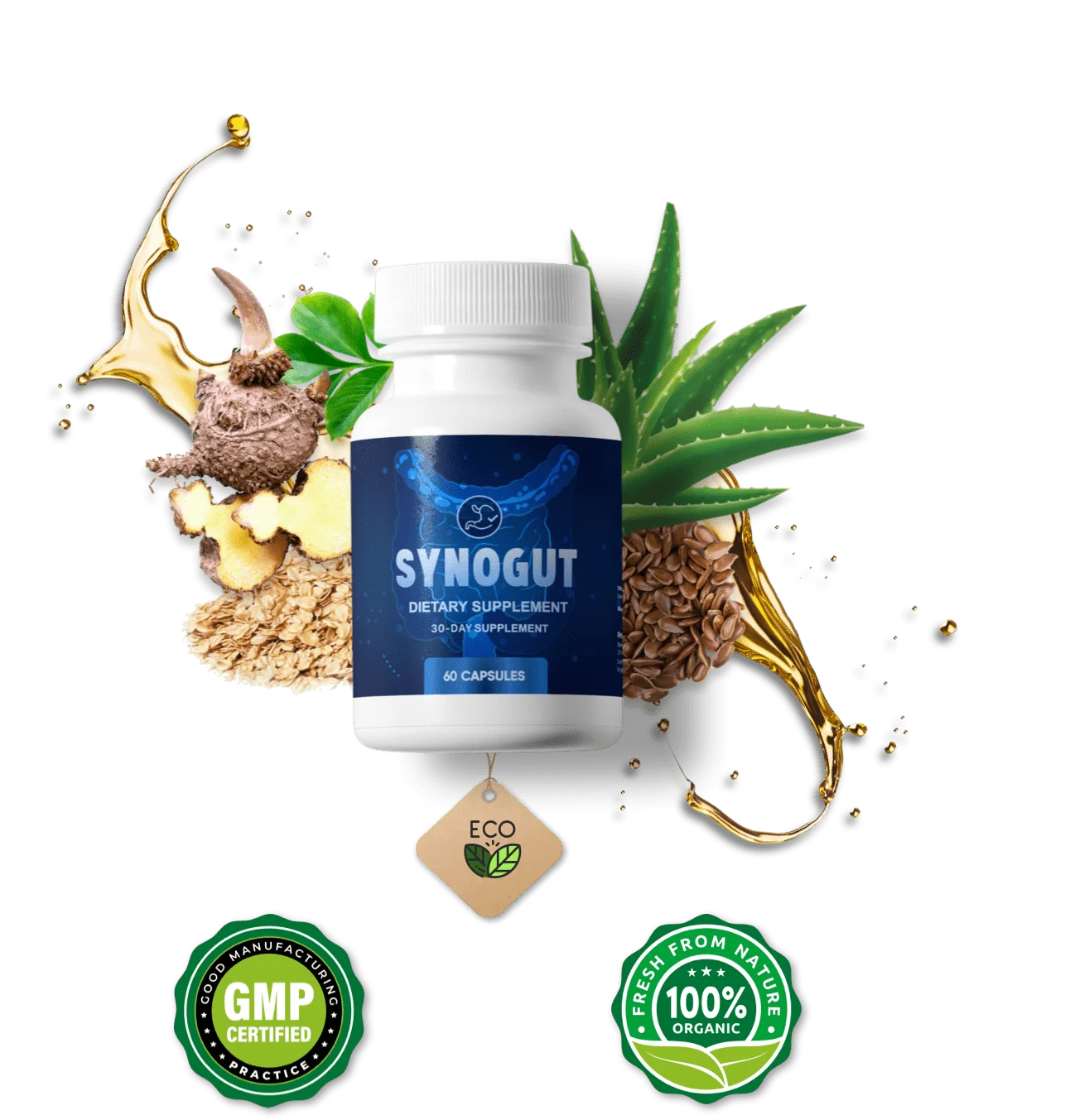
These ingredients, often found in comprehensive digestive supplements like SynoGut, work together to provide a robust foundation for gut health, addressing issues from regularity to microbial balance. While not directly including peppermint, ginger, or slippery elm, such blends offer complementary benefits, tackling digestive challenges from multiple angles.
Experience Comprehensive Digestive Support with SynoGut
If you're seeking a natural, all-encompassing solution to support your digestive health and alleviate common gut discomforts, SynoGut offers a carefully formulated blend of natural ingredients. Designed to promote regularity, balance gut flora, and support overall gastrointestinal wellness, it can be a valuable addition to your journey toward a healthier gut.
- ✓ Supports healthy bowel movements
- ✓ Promotes a balanced gut microbiome
- ✓ Helps reduce bloating and discomfort
- ✓ Made with 100% natural ingredients
- ✓ Manufactured in an FDA-approved, GMP-certified facility




What Our Customers Say About SynoGut
"I've struggled with bloating and irregular digestion for years, especially with my IBS. After trying SynoGut for a few weeks, I noticed a significant improvement. Less discomfort, more regularity. It's truly made a difference in my daily life."
"As someone who has tried countless remedies for gut health, I was skeptical. But SynoGut surprised me. The natural ingredients seem to work wonders together. My digestion feels much smoother, and I have more energy. Highly recommend!"
"Finding a supplement that genuinely helps with IBS symptoms without harsh side effects is tough. SynoGut has been a blessing. My stomach feels calmer, and the occasional bouts of discomfort are much less frequent. Thank you!"
Frequently Asked Questions
What are the primary benefits of peppermint oil for digestion?
+Peppermint oil is renowned for its antispasmodic properties, helping to relax the smooth muscles of the gastrointestinal tract. This can significantly reduce symptoms like abdominal cramps, bloating, and gas, particularly beneficial for individuals with Irritable Bowel Syndrome (IBS).
How does ginger aid in improving gut motility and reducing nausea?
+Ginger acts as a natural carminative and prokinetic agent. It stimulates digestive enzymes, speeds up gastric emptying, and helps move food through the digestive system more efficiently. Its anti-inflammatory compounds also effectively combat nausea and indigestion.
For what digestive issues is slippery elm bark most effective?
+Slippery elm bark is highly effective for soothing irritated mucous membranes throughout the digestive tract. Its mucilage content forms a protective barrier, making it beneficial for conditions like acid reflux, heartburn, gastritis, and both diarrhea and constipation by normalizing bowel function.
Can these herbs be used alongside traditional IBS treatments?
+Generally, yes, but it is crucial to consult with your doctor or a qualified healthcare professional before combining herbal remedies with prescription medications or existing treatments for IBS. They can advise on potential interactions and appropriate dosages to ensure safety and efficacy.
Are there any side effects associated with peppermint, ginger, or slippery elm?
+While generally safe, some individuals may experience mild side effects. Peppermint can sometimes worsen heartburn in susceptible individuals. Ginger might cause mild stomach upset or heartburn in large doses. Slippery elm is usually well-tolerated but can reduce the absorption of other medications if taken simultaneously. Always start with small doses and monitor your body’s response.
How does SynoGut complement the benefits of these traditional digestive herbs?
+SynoGut offers a comprehensive blend of natural ingredients, including fibers like Psyllium and Flaxseed, detoxifying agents like Bentonite Clay, and probiotics like L. Acidophilus. While not directly containing peppermint, ginger, or slippery elm, it supports overall gut health by promoting regularity, balancing gut flora, and cleansing the digestive system, providing a holistic approach that can complement the targeted relief offered by these individual herbs.
Related Articles You Might Find Helpful