Struggling with IBS? Discover the Diet That Could Transform Your Gut Health.
Irritable Bowel Syndrome (IBS) affects millions worldwide, bringing with it a cascade of uncomfortable symptoms like bloating, gas, abdominal pain, and altered bowel habits. It's a condition that can severely impact quality of life, making everyday activities a challenge. While there's no single cure, dietary interventions often play a pivotal role in managing IBS symptoms effectively.
Among the various dietary approaches, the low FODMAP diet has emerged as one of the most scientifically supported and clinically effective strategies for reducing IBS discomfort. This comprehensive guide, developed by digestive health experts, will walk you through the principles, phases, and practical application of the low FODMAP diet, empowering you to take control of your digestive well-being.

Understanding Irritable Bowel Syndrome (IBS)
Before diving into dietary strategies, it's essential to grasp what Irritable Bowel Syndrome truly is and how it impacts the body.
IBS is a common, chronic functional gastrointestinal disorder characterized by a group of symptoms that occur together, including recurrent abdominal pain, changes in bowel movements (diarrhea, constipation, or both), bloating, and gas. Unlike inflammatory bowel diseases (IBD) such as Crohn's or ulcerative colitis, IBS does not cause visible inflammation or damage to the digestive tract. It's often diagnosed by excluding other conditions, making it a "functional" disorder, meaning there's a problem with how the gut works, rather than a structural issue.
The exact cause of IBS is unknown, but it's believed to involve a combination of factors, including abnormal gut motility, visceral hypersensitivity (increased pain perception from the gut), altered gut microbiota, and issues with the gut-brain axis. These elements collectively contribute to the distressing and often debilitating IBS symptoms that can significantly diminish a person's quality of life, affecting their work, social interactions, and mental well-being. Recognizing IBS as a legitimate and impactful condition is the first step towards effective management.
The Profound Gut-Diet Connection
Our diet plays an incredibly significant role in the health and function of our digestive system, especially for those with sensitive guts.
The foods we consume directly interact with our gut microbiota—the trillions of bacteria, fungi, and other microorganisms residing in our intestines. This complex ecosystem is crucial for digestion, nutrient absorption, and even immune function. For individuals with IBS, certain foods can trigger symptoms by influencing this microbiota, causing fermentation, gas production, and irritation of the bowel lining. Beyond microbial interactions, some foods can also impact gut motility (the movement of food through the digestive tract) and contribute to low-grade gut inflammation or heightened visceral sensitivity.
Understanding this intricate relationship is paramount. What might be a harmless food for one person could be a significant trigger for another, particularly in the context of IBS. Identifying these individual food sensitivities and making informed dietary choices is not just about avoiding discomfort; it's about nurturing a balanced internal environment that supports overall digestive health and reduces the frequency and severity of IBS flare-ups. This personalized approach to eating is where the low FODMAP diet truly shines.
Introducing the Low FODMAP Diet: A Scientific Approach
The low FODMAP diet is not just another fad; it's a scientifically validated dietary strategy specifically designed to alleviate IBS symptoms.
So, what exactly are FODMAPs? FODMAP is an acronym for Fermentable Oligosaccharides, Disaccharides, Monosaccharides, and Polyols. These are types of short-chain carbohydrates that are poorly absorbed in the small intestine. Instead of being digested and absorbed, they travel to the large intestine where they can cause two main problems for sensitive individuals:
- Osmotic Effect: FODMAPs are osmotically active, meaning they draw water into the bowel. This increased fluid volume can contribute to diarrhea and distension.
- Rapid Fermentation: Once in the large intestine, FODMAPs are rapidly fermented by resident gut bacteria. This fermentation process produces gas, leading to symptoms like bloating, flatulence, and abdominal pain.
For someone with IBS, whose gut may be hypersensitive, these effects are amplified, leading to significant discomfort. The low FODMAP diet works by temporarily restricting foods high in these fermentable carbohydrates, thereby reducing the osmotic load and bacterial fermentation in the gut. This reduction in fermentable material gives the digestive system a chance to rest and symptoms to subside, making it a highly effective tool for IBS management. It's a structured approach that aims to identify and manage the specific carbohydrate triggers unique to each individual.
💡 Key Takeaway
The low FODMAP diet is a highly effective, three-phase approach (elimination, reintroduction, personalization) to manage IBS symptoms by identifying and reducing fermentable carbohydrates that trigger discomfort. It aims for a sustainable, individualized eating plan, not lifelong restriction.
The Three Phases of the Low FODMAP Diet
Implementing the low FODMAP diet effectively involves a structured, three-phase process, each crucial for long-term success and personalization.
Phase 1: Elimination
This initial phase involves the strict removal of all high FODMAP foods from your diet for a period of 2 to 6 weeks. The goal here is to reduce the overall FODMAP load in your gut to the point where symptoms hopefully subside. It's a diagnostic phase, not a permanent eating plan. During this time, it's vital to focus on eating only low FODMAP foods. This phase requires careful planning and label reading to ensure complete avoidance of trigger carbohydrates. Many individuals experience significant relief during this period, confirming that FODMAPs are indeed contributing to their IBS symptoms.
Phase 2: Reintroduction
Once symptoms have improved during the elimination phase, the next step is systematic reintroduction. This involves carefully reintroducing individual FODMAP groups (e.g., fructans, lactose, fructose, polyols) one at a time, in increasing amounts, over a few days. The purpose is to identify which specific FODMAPs, and in what quantities, trigger your IBS symptoms. This phase is crucial for creating a sustainable diet, as it helps you understand your personal tolerance levels. It's not about avoiding all FODMAPs forever, but rather understanding which ones you are sensitive to and to what degree.
Phase 3: Personalization
This final phase integrates the knowledge gained from reintroduction into a long-term, personalized diet. You will learn to incorporate as many well-tolerated FODMAPs as possible back into your diet, while strategically limiting only those specific FODMAPs that trigger your symptoms. This approach ensures maximum dietary variety and nutritional adequacy, preventing unnecessary restrictions. The aim is to achieve sustained symptom control while enjoying a diverse and flexible eating plan. This phase empowers you to maintain good gut health without feeling overly restricted, allowing for a better quality of life.
High FODMAP Foods to Avoid During Elimination
During the elimination phase, it's crucial to be aware of common foods that are high in FODMAPs across all categories.
Here's a breakdown of high FODMAP foods to temporarily remove from your diet:
- Oligosaccharides (Fructans & GOS): Found in wheat, rye, barley (so many breads, pastas, cereals), onions, garlic (major culprits!), legumes (beans, lentils, chickpeas), cashews, pistachios, and artichokes.
- Disaccharides (Lactose): Predominantly found in dairy products such as cow's milk, regular yogurt, soft cheeses (e.g., ricotta, cottage cheese), and ice cream. Lactose-free versions of these products are generally well-tolerated.
- Monosaccharides (Excess Fructose): High concentrations are found in certain fruits like apples, mangoes, pears, watermelon, and high-fructose corn syrup. Small amounts of fructose are often tolerated.
- Polyols (Sorbitol & Mannitol): These are sugar alcohols found naturally in some fruits (avocado, blackberries, cherries, peaches, plums), vegetables (mushrooms, cauliflower, snow peas), and artificial sweeteners (e.g., sorbitol, mannitol, xylitol, maltitol) often found in sugar-free gums and candies.
It's important to remember that portion sizes matter. A small amount of a high FODMAP food might be tolerated, while a larger serving could trigger symptoms. Always read food labels carefully, as FODMAPs can hide in unexpected places like sauces, marinades, and processed snacks. Consulting with a registered dietitian specializing in the low FODMAP diet can provide invaluable guidance during this challenging phase, ensuring you avoid common pitfalls and maintain nutritional balance.
Delicious Low FODMAP Food Swaps and Alternatives
Navigating a low FODMAP diet doesn't mean sacrificing flavor or variety. Many delicious and nutritious low FODMAP alternatives are readily available.
Here are some practical swaps to help you build an IBS-friendly diet:
- Grains: Instead of wheat-based bread and pasta, opt for gluten-free (ensure no high FODMAP ingredients like inulin) or naturally low FODMAP grains like rice, quinoa, oats (certified gluten-free if sensitive to cross-contamination), and corn.
- Vegetables: Swap out onions, garlic, and cauliflower for carrots, spinach, bell peppers (red, yellow, orange), zucchini, eggplant, potatoes, kale, and lettuce. Many herbs and spices are low FODMAP, adding great flavor without the discomfort.
- Fruits: Replace apples, mangoes, and pears with bananas (ripe), oranges, grapes, strawberries, blueberries, raspberries, and cantaloupe.
- Proteins: Most lean meats, poultry, fish, and eggs are naturally FODMAP-free. For plant-based options, firm tofu, tempeh, and small servings of canned lentils or chickpeas (rinsed thoroughly) can be included.
- Dairy: Opt for lactose-free milk, yogurt, and hard cheeses like cheddar, Swiss, or parmesan. Almond milk, rice milk, and oat milk (ensure no inulin) are also good alternatives.
- Sweeteners: Use maple syrup, rice malt syrup, or regular sugar in moderation instead of honey or high-fructose corn syrup.
Experimenting with these gut-friendly foods can open up a world of culinary possibilities, allowing you to enjoy satisfying meals while keeping your IBS symptoms in check. Online resources and cookbooks specifically designed for the low FODMAP diet can also provide a wealth of inspiration and recipes to make your journey enjoyable.
Beyond FODMAPs: Holistic Dietary Considerations
While the low FODMAP diet is a powerful tool, managing IBS also involves broader dietary and lifestyle factors that contribute to overall gut health.
Fiber Intake: Not all fiber is created equal for IBS sufferers. While insoluble fiber (found in wheat bran, whole grains) can sometimes exacerbate symptoms, soluble fiber (found in oats, psyllium, flaxseed, some fruits and vegetables) can often be beneficial, helping to regulate bowel movements and provide a soothing effect. Gradually increasing soluble fiber, if tolerated, is often recommended.
Hydration: Adequate water intake is critical for digestive function, especially for those prone to constipation. Aim for 8 glasses of water daily, and more if active or in a hot climate.
Meal Timing and Size: Eating regular, smaller meals throughout the day can be less taxing on the digestive system than large, infrequent ones. Avoid rushing meals and practice mindful eating – savoring your food and chewing thoroughly can aid digestion.
Probiotics: Certain strains of probiotics for IBS, such as *Bifidobacterium* and *Lactobacillus* species, have shown promise in alleviating symptoms by balancing gut flora and reducing inflammation. However, it's important to choose specific strains that have been clinically studied for IBS and consult with a healthcare professional before starting any probiotic regimen.
For more insights into optimizing your digestion through everyday habits, you might find our article on exercises to improve digestion and gut motility particularly helpful. These holistic considerations, when combined with a personalized low FODMAP approach, can lead to more comprehensive and lasting relief from IBS symptoms.
Lifestyle Factors for Comprehensive IBS Management
Dietary changes are crucial, but a truly holistic approach to IBS management must also address lifestyle factors that significantly influence gut health.
Stress Management: The intricate connection between the brain and the gut, known as the gut-brain axis, means that stress can profoundly impact IBS symptoms. High stress levels can alter gut motility, increase visceral sensitivity, and even change the composition of the gut microbiota. Incorporating stress-reduction techniques like meditation, yoga, deep breathing exercises, or spending time in nature can be incredibly beneficial. Finding healthy coping mechanisms for daily stressors is a cornerstone of effective IBS lifestyle management.
Regular Exercise: Physical activity has a positive impact on the digestive system. Regular, moderate exercise can help stimulate gut motility, reduce stress, and improve overall well-being. Activities like walking, swimming, or cycling can be particularly helpful. However, very intense exercise might sometimes exacerbate symptoms for some individuals, so finding the right balance is key.
Adequate Sleep: Quality sleep is essential for the body's repair and regulatory processes, including those of the digestive system. Poor sleep can disrupt the gut-brain axis, leading to increased inflammation and symptom flare-ups. Aiming for 7-9 hours of restful sleep per night can significantly support your gut health and overall resilience against IBS symptoms. Establishing a consistent sleep schedule and creating a relaxing bedtime routine are important aspects of sleep hygiene.
By integrating these lifestyle adjustments with your dietary plan, you create a powerful, multi-faceted strategy for managing IBS, leading to greater comfort and an improved quality of life.
Supporting Gut Health: The Role of Dietary Supplements
While diet and lifestyle form the cornerstone of IBS management, some individuals find additional support from carefully selected dietary supplements.
These supplements are not a cure for IBS, nor should they replace a well-planned low FODMAP diet, but they can help bridge nutritional gaps, support digestive processes, or introduce beneficial compounds to the gut. For instance, certain fiber supplements (like psyllium husk, which is low FODMAP) can aid in bowel regularity, while specific digestive enzymes might assist in breaking down foods that are otherwise difficult to digest. Probiotic supplements containing clinically studied strains for IBS can also help in balancing the gut microbiome.
When considering digestive supplements, it's crucial to choose formulations that are natural, high-quality, and specifically designed to support digestive balance. Products like SynoGut, for example, combine a blend of natural ingredients known for their potential to support a healthy gut lining and flora. These ingredients, which often include various fibers, natural laxatives, and probiotics, are intended to promote regularity and foster a balanced gut environment, contributing to overall digestive comfort. It's important to always discuss any new supplement with your healthcare provider to ensure it's appropriate for your individual condition and won't interact with other medications or dietary strategies.
For those exploring options, understanding what to look for in a supplement is key. Our digestive supplement buying guide for 2026 offers comprehensive advice on making informed choices for your gut health.
Benefits of Embracing a Low FODMAP Lifestyle
Adopting a low FODMAP approach, even if not strictly lifelong, offers a myriad of benefits for IBS sufferers.
Significant Symptom Relief
The primary benefit is a noticeable reduction in common IBS symptoms such as bloating, gas, abdominal pain, diarrhea, and constipation. Many individuals report feeling lighter and experiencing far fewer uncomfortable episodes, which drastically improves daily comfort.
Identifies Individual Trigger Foods
Through the systematic reintroduction phase, you gain invaluable knowledge about which specific FODMAPs, and in what quantities, personally trigger your symptoms. This empowers you to make informed dietary choices without unnecessary restrictions.
Improved Quality of Life
With reduced symptoms comes a significant improvement in overall quality of life. Less digestive discomfort means more freedom to engage in social activities, work, and exercise without constant worry or interruption, fostering a greater sense of well-being.
Enhanced Dietary Awareness
The process of following the low FODMAP diet teaches you to pay closer attention to how different foods affect your body. This heightened awareness helps you understand your unique digestive responses and fosters a more intuitive eating style tailored to your needs.
Reduced Gut Inflammation
While IBS isn't an inflammatory disease, the constant irritation from fermentable carbohydrates can contribute to low-grade inflammation. By reducing these triggers, the diet can help soothe the digestive tract and potentially alleviate gut irritation, promoting a healthier environment.
Personalized & Sustainable Eating Plan
The ultimate goal is not lifelong restriction but a personalized eating plan. By identifying your specific tolerances, you can enjoy the widest possible variety of foods while maintaining symptom control, making it a sustainable and enjoyable approach to gut health.
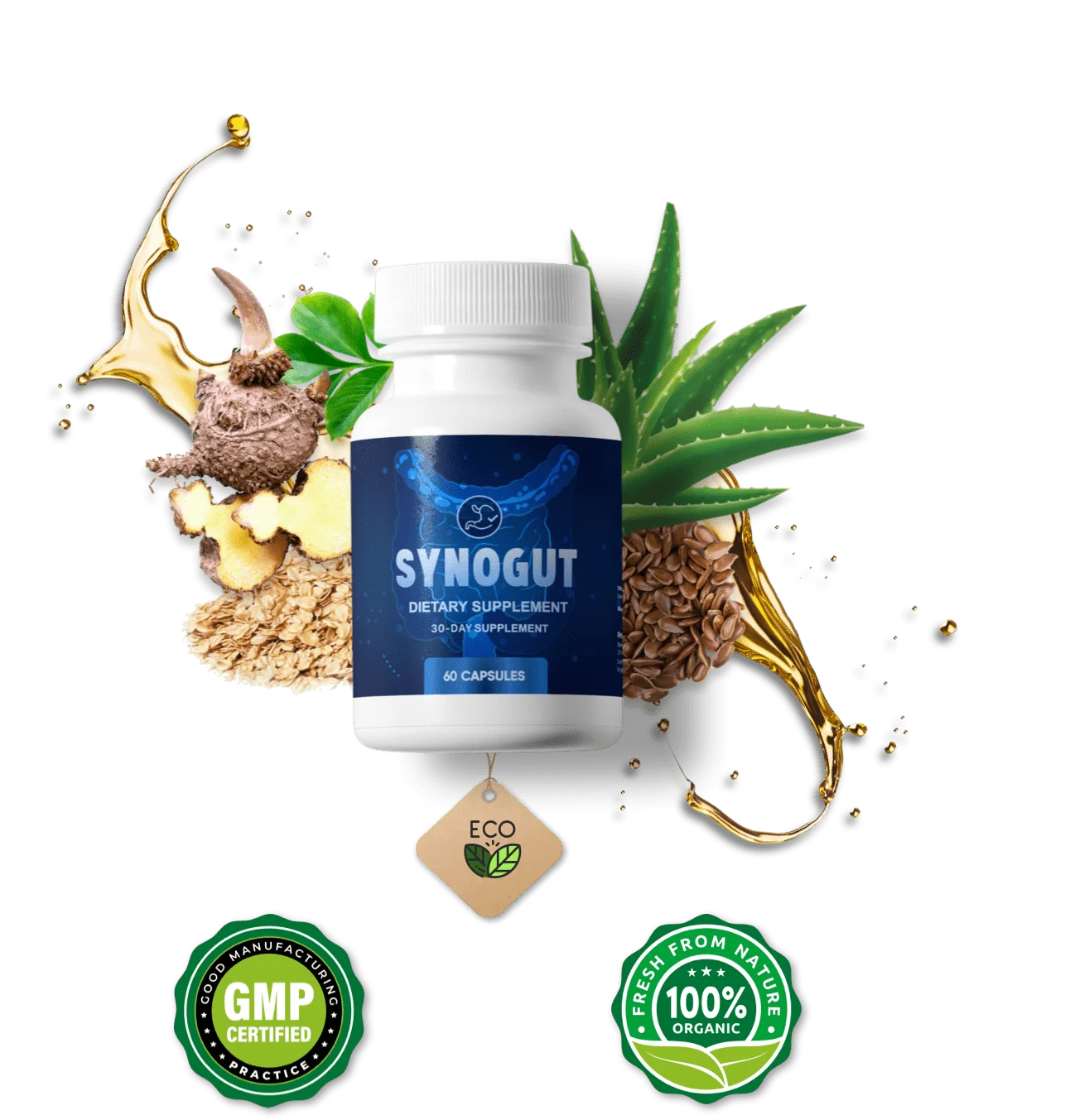
Key Ingredients in SynoGut for Digestive Support
SynoGut is formulated with a blend of natural ingredients, each selected for its potential role in supporting digestive health and overall gut balance. While not a direct IBS treatment, these ingredients aim to contribute to a healthy gut environment.
Psyllium Husk
Role: A natural source of soluble fiber, psyllium husk is known for its ability to absorb water, form a gel-like substance, and promote bowel regularity. It can help regulate stool consistency, beneficial for both constipation and diarrhea-predominant IBS.
Bentonite Clay
Role: This natural clay is often used for its absorptive properties. It's believed to help bind to and eliminate toxins and waste from the digestive tract, contributing to a cleaner gut environment and supporting overall gut cleansing.
Black Walnut
Role: Traditionally used in herbal medicine, black walnut is thought to support a healthy gut environment. It contains compounds that may help maintain a balanced microbial flora within the digestive system.
Oat Bran
Role: Another excellent source of soluble fiber, oat bran contributes to healthy digestion and regularity. It can help soften stools, making them easier to pass, and support a feeling of fullness, which can aid in appetite control.
Flaxseed
Role: Rich in both soluble and insoluble fiber, flaxseed is beneficial for supporting gut lining integrity and promoting regular bowel function. It also provides omega-3 fatty acids, known for their anti-inflammatory properties.
Prune Fruit Concentrate
Role: Prunes are well-known for their natural laxative properties due to their fiber content and sorbitol. Prune fruit concentrate can help stimulate bowel movements, providing gentle relief for occasional constipation.
Aloe Vera
Role: Aloe vera is widely recognized for its soothing and anti-inflammatory properties. In the digestive system, it can help calm irritation, support intestinal health, and promote a healthy gut lining.
L. Acidophilus
Role: As a beneficial probiotic strain, Lactobacillus Acidophilus plays a vital role in maintaining a healthy balance of gut flora. It can help improve digestion, enhance nutrient absorption, and support the immune system within the gut.
Apple Pectin
Role: A type of soluble fiber found in apples, pectin can help regulate bowel movements, contribute to healthy cholesterol and blood sugar levels, and support the growth of beneficial gut bacteria.
Glucomannan
Role: Derived from the konjac plant, glucomannan is a highly viscous soluble fiber. It promotes satiety, helps regulate blood sugar, and is excellent for encouraging regular and healthy bowel movements.
Take Control of Your Digestive Health with SynoGut
SynoGut is a natural dietary supplement designed to support a healthy digestive system, promote regular bowel movements, and foster a balanced gut microbiome. Crafted with potent ingredients, it offers a gentle yet effective approach to daily gut wellness.
- Supports a balanced gut microbiome
- Promotes healthy digestion and nutrient absorption
- Aids in regular bowel movements
- Formulated with 100% natural ingredients
- Made in an FDA-registered, GMP-certified facility




Real Stories of Digestive Comfort
"I've struggled with IBS for years, and the low FODMAP diet helped, but SynoGut added an extra layer of comfort. My bloating is significantly reduced, and I feel so much lighter. It's truly made a difference in my daily life."
"After trying countless remedies for my chronic digestive issues, SynoGut was a game-changer. Combined with my dietary changes, it helped bring a level of regularity and ease I hadn't experienced in years. Highly recommend!"
"My gut health has improved dramatically since I started taking SynoGut alongside my low FODMAP plan. The ingredients feel gentle, and I've noticed less discomfort and more energy. It's a fantastic support for anyone with a sensitive stomach."
Frequently Asked Questions
What exactly are FODMAPs and why do they affect IBS sufferers?
+FODMAPs are types of short-chain carbohydrates that are poorly absorbed in the small intestine. In individuals with IBS, these carbohydrates can draw water into the bowel and be rapidly fermented by gut bacteria, leading to symptoms like bloating, gas, and abdominal pain.
Is the low FODMAP diet a permanent solution for IBS?
+The low FODMAP diet is typically implemented in three phases: elimination, reintroduction, and personalization. The elimination phase is short-term (2-6 weeks) to identify triggers. The goal is to reintroduce foods and create a personalized, sustainable diet, not to adhere to a strict low FODMAP plan long-term.
How long does it take to see results on a low FODMAP diet?
+Many individuals experience significant symptom relief within 2 to 6 weeks of strictly adhering to the elimination phase of the low FODMAP diet. Consistency is key during this initial period to accurately assess its effectiveness.
Can I do the low FODMAP diet without professional guidance?
+While resources are available, it is highly recommended to undertake the low FODMAP diet under the guidance of a registered dietitian or healthcare professional. They can ensure nutritional adequacy, help correctly identify trigger foods during reintroduction, and prevent unnecessary dietary restrictions.
What if I don't experience relief on the low FODMAP diet?
+If you don't find relief, it's important to consult your doctor or a dietitian. IBS is complex, and other factors like stress, gut infections, or other food sensitivities might be at play. A healthcare professional can help explore alternative strategies or rule out other conditions.
How does SynoGut complement a low FODMAP diet for gut health?
+SynoGut is formulated with natural ingredients like psyllium, bentonite clay, and probiotics that support overall digestive health, promote regularity, and contribute to a balanced gut microbiome. While not a low FODMAP specific product, it can act as a supportive supplement to maintain a healthy gut environment alongside a carefully managed diet. You should always consult with your healthcare provider before adding any new supplement to your regimen.
Related Articles