Are you tired of the unpredictable pain, bloating, and discomfort that comes with Irritable Bowel Syndrome (IBS)?
Living with IBS can feel like a constant guessing game, with every meal potentially leading to a flare-up. The frustration of not knowing which foods are safe and which will send your digestive system into turmoil is a common struggle for millions worldwide.
Understanding the intricate relationship between your diet and IBS symptoms is the first crucial step towards regaining control over your digestive health. This comprehensive guide will illuminate the most common IBS trigger foods and, more importantly, equip you with practical knowledge on what to eat instead to foster a calm and happy gut.

Understanding Irritable Bowel Syndrome (IBS)
Before diving into dietary specifics, let's establish a foundational understanding of IBS and why diet plays such a pivotal role in its management.
Irritable Bowel Syndrome (IBS) is a common chronic disorder that affects the large intestine. It's characterized by a group of symptoms that occur together, including recurrent abdominal pain, bloating, gas, cramping, and changes in bowel habits – which can manifest as diarrhea (IBS-D), constipation (IBS-C), or a mix of both (IBS-M). Unlike inflammatory bowel diseases (IBD) like Crohn's disease or ulcerative colitis, IBS does not cause inflammation or permanent damage to the bowel. Instead, it's classified as a functional gastrointestinal disorder, meaning there's a problem with how the gut works.
The exact cause of IBS remains unknown, but several factors are believed to contribute to its development and flare-ups. These include abnormalities in gut muscle contractions, a heightened sensitivity of the gut (visceral hypersensitivity), imbalances in the gut microbiome, impaired communication between the brain and the gut (the gut-brain axis), and certain genetic or environmental triggers. For many individuals with IBS, specific foods act as significant triggers, leading to uncomfortable and often debilitating symptoms.
The gut-brain axis is particularly important in IBS. Stress, anxiety, and other psychological factors can directly influence gut function, often exacerbating symptoms. This bidirectional communication means that not only can stress impact your gut, but an unhealthy gut can also impact your mood and mental well-being. Therefore, managing IBS effectively often requires a holistic approach that considers both dietary and lifestyle interventions.
💡 Key Takeaway
IBS is a functional gut disorder affecting millions, characterized by abdominal pain, bloating, and altered bowel habits. While not causing physical damage, its symptoms are often severely exacerbated by specific foods and stress, highlighting the critical role of diet and lifestyle in management.
The Primary Culprits: High-FODMAP Foods
One of the most scientifically supported approaches to managing IBS symptoms is the low-FODMAP diet. FODMAPs are a group of short-chain carbohydrates that are poorly absorbed in the small intestine, leading to fermentation by gut bacteria in the large intestine. This process produces gas and draws water into the bowel, causing bloating, pain, and changes in bowel movements.
Let's break down the different categories of high-FODMAP foods:
1. Oligosaccharides (Fructans & GOS)
These are complex sugars found in many common foods. For people with IBS, they are often poorly digested, leading to significant gas and bloating.
- Wheat, Rye, Barley: Found in bread, pasta, cereals, and baked goods. These are major sources of fructans.
- Onions & Garlic: Ubiquitous in cooking, these are potent sources of fructans. Even small amounts can trigger symptoms in sensitive individuals.
- Legumes & Pulses: Beans, lentils, chickpeas, and soybeans contain galactooligosaccharides (GOS), another type of oligosaccharide.
- Certain Vegetables: Artichokes, asparagus, broccoli, cauliflower, Brussels sprouts.
For those struggling with constant digestive issues, understanding these categories is crucial. Learning to identify these ingredients in processed foods can be a game-changer. For additional strategies to support your gut, consider exploring ways on how to improve digestive health naturally.
2. Disaccharides (Lactose)
Lactose is the sugar found in milk and dairy products. Lactose intolerance, where the body lacks the enzyme lactase to break down lactose, is common and often overlaps with IBS symptoms.
- Milk: Cow's milk, goat's milk.
- Soft Cheeses: Cream cheese, ricotta, cottage cheese.
- Yogurt: Especially traditional, unsweetened yogurt, though some individuals tolerate fermented dairy better.
- Ice Cream: High in both lactose and fat, making it a double whammy for some.
3. Monosaccharides (Fructose in Excess)
Fructose is a simple sugar. While some fructose is fine, excess fructose, especially when not balanced with glucose, can be poorly absorbed.
- Certain Fruits: Apples, pears, mangoes, watermelon, cherries, high amounts of dried fruit.
- High-Fructose Corn Syrup (HFCS): A common sweetener in sodas, candies, and many processed foods.
- Honey & Agave Nectar: Natural sweeteners that are high in fructose.
4. Polyols (Sugar Alcohols)
These are sugar alcohols often used as artificial sweeteners or found naturally in some fruits and vegetables. They have a laxative effect even in healthy individuals, and can be particularly problematic for IBS sufferers.
- Artificial Sweeteners: Sorbitol, mannitol, xylitol, maltitol, erythritol (often found in sugar-free gums, candies, and diet products).
- Certain Fruits: Avocados, blackberries, lychees, peaches, plums.
- Certain Vegetables: Mushrooms, snow peas.
Beyond FODMAPs: Other Common IBS Triggers
While FODMAPs are a significant focus, it's important to remember that not all IBS triggers fall into this category. Many other dietary and lifestyle factors can contribute to flare-ups.
Identifying these non-FODMAP triggers often requires careful observation and a food diary, as they can be highly individual.
1. Fatty and Fried Foods
Foods high in fat, whether healthy or unhealthy, can slow down digestion and stimulate contractions in the colon, which can be problematic for an irritable gut. Fried foods, in particular, are often difficult to digest and can lead to bloating, gas, and abdominal pain.
- Examples: Deep-fried fast food, greasy takeaways, creamy sauces, high-fat meats, pastries.
- Why they trigger: Fat takes longer to digest, increasing the workload on the digestive system. It can also stimulate the release of certain hormones that affect gut motility.
2. Spicy Foods
Capsaicin, the compound found in chili peppers that gives them their heat, can irritate the lining of the digestive tract and speed up gut transit time, leading to abdominal pain and diarrhea in sensitive individuals.
- Examples: Hot peppers, chili powder, spicy curries, hot sauces.
- Why they trigger: Direct irritation of the gut lining and increased gut motility.
3. Caffeine
Coffee, tea, and energy drinks are stimulants that can increase gut motility and lead to more frequent bowel movements, particularly diarrhea, in IBS-D sufferers. Caffeine can also act as a diuretic, potentially leading to dehydration if not balanced with sufficient water intake.
- Examples: Coffee, black tea, green tea (in large amounts), energy drinks, chocolate.
- Why they trigger: Stimulant effect on the digestive system, increasing contractions and potentially causing urgency.
4. Alcohol
Alcohol can be a significant gut irritant. It can affect gut motility, alter gut permeability, and disrupt the balance of gut bacteria. Different types of alcohol may have varying effects, but generally, moderation or avoidance is recommended for many IBS patients.
- Examples: Beer, wine, spirits.
- Why they trigger: Direct irritation, altered gut motility, and impact on the gut microbiome.
5. Artificial Sweeteners
Beyond polyols (which are sugar alcohols), other artificial sweeteners like aspartame, sucralose, and saccharin can also contribute to IBS symptoms. Some research suggests they may negatively impact the gut microbiome or cause digestive distress in sensitive individuals.
- Examples: Diet sodas, sugar-free candies, certain protein powders, processed snacks.
- Why they trigger: Potential disruption of gut bacteria, osmotic effects (drawing water into the bowel), or direct irritation.
6. Carbonated Beverages
The bubbles in carbonated drinks are essentially gas, which when consumed, can add to the gas already produced during digestion, leading to increased bloating and discomfort.
- Examples: Sodas, sparkling water, carbonated alcoholic beverages.
- Why they trigger: Introduces excess gas into the digestive system.
It's vital to remember that individual tolerance varies. A food diary can be an invaluable tool for pinpointing your personal triggers. Keeping track of what you eat and how you feel afterward can reveal patterns that are unique to your body. Understanding these triggers is a key step in managing your IBS symptoms and improving your overall quality of life.
What to Eat Instead: Building an IBS-Friendly Diet
Once you've identified your personal triggers, the next step is to focus on nutrient-rich, gut-friendly alternatives that support digestive comfort without sacrificing flavor or nutrition.
1. Low-FODMAP Fruits & Vegetables
Embrace a wide variety of produce that is gentle on your gut.
- Fruits: Bananas (ripe), blueberries, cantaloupe, grapes, kiwi, oranges, strawberries, raspberries.
- Vegetables: Carrots, cucumbers, lettuce, spinach, potatoes, sweet potatoes, zucchini, bell peppers (green, yellow, orange), eggplant, green beans, kale.
- Herbs: Most fresh herbs like basil, cilantro, parsley, mint, and chives (use the green parts only for chives and spring onions).
2. Lean Proteins
Lean protein sources are generally well-tolerated and essential for overall health.
- Examples: Chicken breast, turkey, fish (salmon, cod, tuna), lean cuts of beef or pork, eggs, tofu (firm, plain).
- Preparation: Opt for baking, grilling, steaming, or poaching instead of frying.
3. Gluten-Free Grains & Starches
While not everyone with IBS needs to avoid gluten, many find relief by reducing wheat due to its fructan content. Opt for naturally gluten-free grains.
- Examples: Rice (white, brown), quinoa, oats (gluten-free certified), corn, gluten-free bread and pasta (check for other high-FODMAP ingredients like chickpea flour or inulin).
- Benefits: Provide essential energy and fiber without the fructan load of wheat.
4. Lactose-Free Dairy & Alternatives
If lactose is a trigger, there are many excellent alternatives available.
- Examples: Lactose-free milk, hard cheeses (cheddar, parmesan, mozzarella are naturally low in lactose), almond milk, rice milk, oat milk (check for added inulin or high-FODMAP ingredients), lactose-free yogurt.
- Note: Some individuals can tolerate small amounts of traditional dairy, especially fermented products like kefir, due to reduced lactose content.
5. Healthy Fats (in Moderation)
While high-fat meals can be problematic, healthy fats are crucial. Focus on sources that are less likely to cause distress when consumed in appropriate portions.
- Examples: Olive oil, avocado oil, coconut oil, small amounts of avocado, nuts and seeds (e.g., walnuts, flax seeds, chia seeds, pumpkin seeds – check FODMAP levels for specific types).
6. Digestive-Friendly Beverages
Hydration is key, and choosing the right liquids can make a difference.
- Examples: Water (still), herbal teas (peppermint, ginger, chamomile), diluted fruit juices from low-FODMAP fruits.
- Tip: Peppermint tea is particularly known for its soothing effect on digestive muscles.
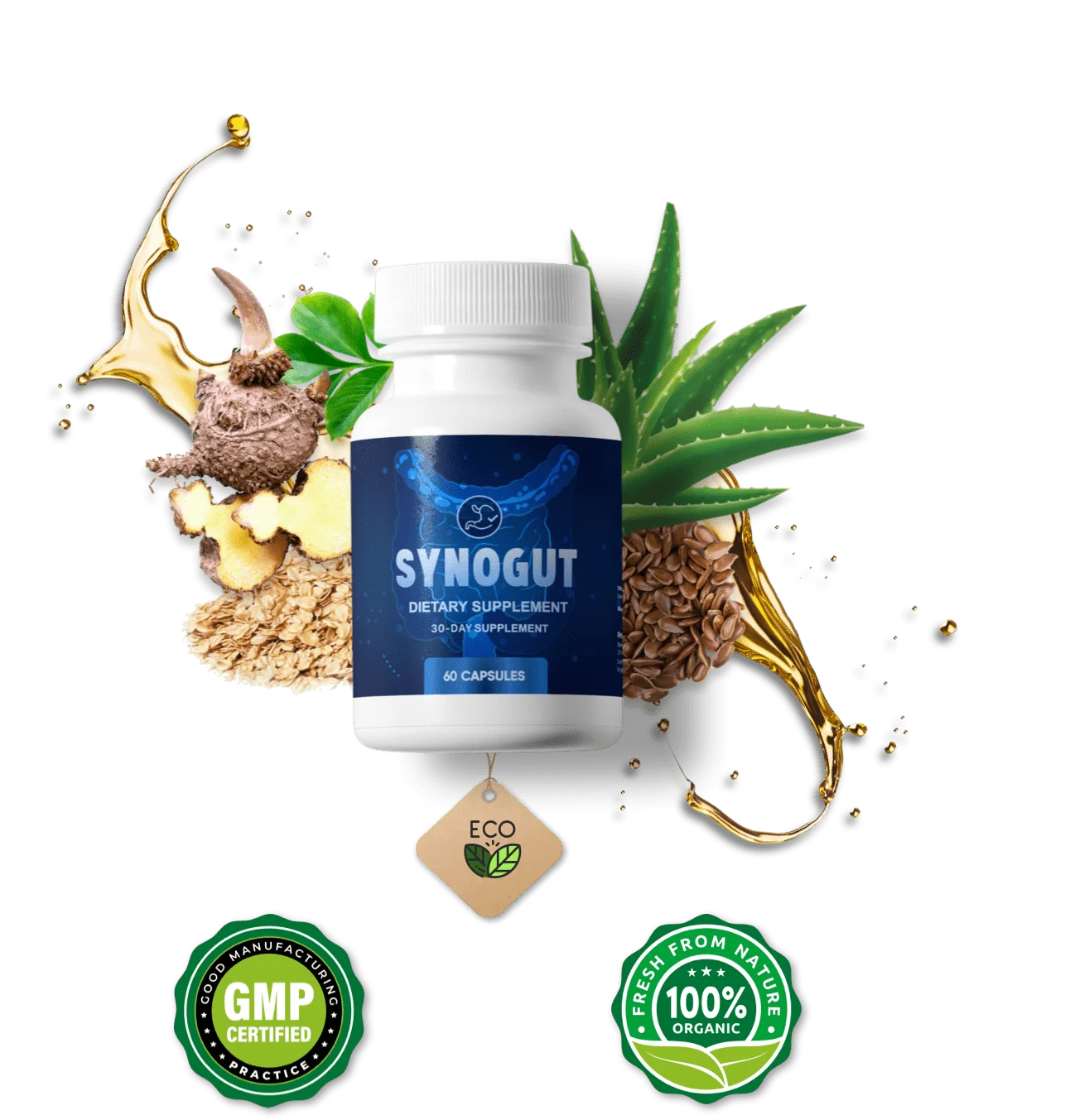
Remember, the goal is not to eliminate entire food groups indefinitely, but to identify your specific triggers and build a personalized diet that supports your gut health. This often involves working with a healthcare professional or a registered dietitian specialized in IBS to ensure nutritional adequacy and effective symptom management. For some, incorporating a natural supplement like SynoGut can also provide complementary support to a carefully managed diet, helping to soothe the gut and promote regularity.
The Role of Fiber in IBS Management
Fiber is a double-edged sword for IBS sufferers. While essential for digestive health, the type and amount of fiber can significantly impact symptoms.
Soluble Fiber: Your Gut's Best Friend
Soluble fiber dissolves in water to form a gel-like substance, which can soften stool and make it easier to pass, benefiting IBS-C. It also slows digestion, which can help regulate bowel movements for IBS-D. This type of fiber is generally well-tolerated and can help reduce abdominal pain and bloating.
Sources: Oats, barley, psyllium husk, flax seeds, fruits like bananas and oranges, and vegetables like carrots and potatoes.
Insoluble Fiber: Handle with Care
Insoluble fiber adds bulk to stool and helps food pass more quickly through the digestive system. While beneficial for general gut health, it can exacerbate symptoms like gas, bloating, and diarrhea in some IBS sufferers, especially those with IBS-D or mixed type.
Sources: Whole wheat flour, wheat bran, nuts, seeds (with skins), and the skins of many fruits and vegetables.
Gradual Introduction and Hydration
When increasing fiber intake, do so gradually to allow your gut to adjust. A sudden increase can lead to more gas and bloating. Always accompany increased fiber with plenty of water. Adequate hydration is crucial to help fiber move through the digestive system smoothly and prevent constipation.
Aim for small, consistent increases over several weeks, paying close attention to your body's response.
Personalized Approach to Fiber
There is no one-size-fits-all approach to fiber for IBS. Some individuals may benefit from a higher soluble fiber intake, while others might need to limit insoluble fiber. Experimentation, ideally under the guidance of a dietitian, is key to finding the right balance for your specific IBS subtype and symptoms. Focus on whole, unprocessed foods that are naturally good sources of soluble fiber.
Beyond Diet: Lifestyle Factors and Gut Health
While diet is paramount, managing IBS effectively also involves addressing other crucial lifestyle factors that impact your digestive system.
The intricate connection between the brain and the gut means that stress and anxiety can significantly influence IBS symptoms. When you're stressed, your body releases hormones that can alter gut motility, increase gut sensitivity, and even change the composition of your gut microbiome. Therefore, incorporating stress-reduction techniques into your daily routine is not just beneficial for your mental well-being, but directly for your digestive health. Practices like mindfulness meditation, deep breathing exercises, yoga, or even simply spending time in nature can help calm the nervous system and, in turn, your gut.
Regular physical activity also plays a vital role. Moderate exercise can help stimulate normal gut contractions, reduce bloating and constipation, and alleviate stress. Aim for at least 30 minutes of moderate-intensity exercise most days of the week. However, avoid very high-intensity workouts immediately after meals, as this can sometimes exacerbate symptoms. Listening to your body and finding an exercise routine that suits you is key.
Adequate sleep is another often-overlooked factor. Sleep deprivation can heighten stress, disrupt hormonal balance, and negatively impact gut function. Strive for 7-9 hours of quality sleep per night to allow your body and digestive system to rest and repair. Establishing a consistent sleep schedule and creating a relaxing bedtime routine can greatly improve sleep quality.
Finally, mindful eating practices can make a significant difference. Eating slowly, chewing your food thoroughly, and paying attention to your body's hunger and fullness cues can aid digestion and prevent overeating, which can trigger symptoms. Avoiding eating on the go or while stressed can also reduce the chances of a flare-up. For more insights into optimizing your gut, you might find our article on how to heal leaky gut naturally particularly helpful, as many of the principles overlap with general digestive wellness.
By integrating these lifestyle adjustments with a tailored diet, you create a holistic strategy to manage IBS, leading to greater comfort and an improved quality of life.
SynoGut: A Natural Approach to Digestive Harmony
While dietary and lifestyle changes form the bedrock of IBS management, some individuals seek additional support to promote overall digestive health and regularity. This is where a natural supplement like SynoGut can play a complementary role.
SynoGut is formulated with a blend of natural ingredients, each carefully selected for its potential to support a healthy gut microbiome, promote regular bowel movements, and soothe digestive discomfort. It's designed to work in harmony with your body, offering a gentle yet effective way to maintain digestive balance.
Psyllium Husk
A natural source of soluble fiber, Psyllium Husk can help regulate bowel movements, whether you're experiencing constipation or diarrhea. It absorbs water to form a gel, softening stool for easier passage and adding bulk to firm up loose stools.
Bentonite Clay
Known for its detoxifying properties, Bentonite Clay can help absorb toxins and impurities from the digestive tract. It may also provide a protective barrier for the gut lining, contributing to overall gut health.
Black Walnut
Traditionally used for digestive support, Black Walnut is rich in compounds that may help maintain a healthy microbial balance in the gut. It's also recognized for its mild laxative properties, aiding in regularity.
Flaxseed
Another excellent source of soluble and insoluble fiber, Flaxseed promotes healthy digestion and regularity. It also provides omega-3 fatty acids, which have anti-inflammatory properties that can benefit gut health.
Aloe Vera
Renowned for its soothing and anti-inflammatory properties, Aloe Vera can help calm the digestive tract. It may also support the healing of the gut lining and promote healthy bowel function.
Lactobacillus Acidophilus
A beneficial probiotic strain, Lactobacillus Acidophilus helps replenish and balance the gut microbiome. A healthy balance of gut bacteria is crucial for digestion, nutrient absorption, and immune function, often disrupted in IBS.
Glucomannan
A soluble dietary fiber derived from the konjac plant, Glucomannan can absorb large amounts of water, forming a viscous gel. This aids in promoting satiety, regulating blood sugar, and supporting healthy bowel movements by adding bulk to stool.
Oat Bran
Rich in soluble fiber, particularly beta-glucans, Oat Bran helps to normalize bowel movements and can be beneficial for both constipation and diarrhea. It also acts as a prebiotic, nourishing beneficial gut bacteria.
Apple Pectin
A soluble fiber found in apples, Pectin acts as a prebiotic, feeding good gut bacteria and supporting a healthy microbiome. It can also help regulate stool consistency and soothe the digestive tract.
Prune Powder
Known for its natural laxative effects, Prune Powder provides both soluble and insoluble fiber, aiding in regular bowel movements and relieving constipation without harsh stimulants.
L. Plantarum
Another powerful probiotic strain, L. Plantarum is known for its ability to survive stomach acid and colonize the gut, where it can help reduce gas, bloating, and abdominal pain often associated with IBS.
L. Rhamnosus
This probiotic strain is well-researched for its benefits in digestive health, including improving gut barrier function, reducing inflammation, and alleviating various gastrointestinal symptoms, particularly diarrhea.
By providing a blend of prebiotics, probiotics, and natural fibers, SynoGut aims to support the delicate balance of your digestive system, contributing to more comfortable digestion and overall gut wellness. It's an option for those looking to supplement their dietary efforts, but remember to always consult with a healthcare provider to ensure it's the right choice for your individual needs. You can also learn more about how SynoGut compares to other options in our article on SynoGut vs. Digestive Enzyme Supplements.
Ready to Reclaim Your Digestive Comfort?
Take the proactive step towards a happier, healthier gut. SynoGut offers a powerful, all-natural blend designed to support optimal digestion and alleviate discomfort.
- ✓ Supports healthy digestion and regularity
- ✓ Promotes a balanced gut microbiome
- ✓ Made with 100% natural, plant-based ingredients
- ✓ Manufactured in an FDA-approved, GMP-certified facility
- ✓ Backed by a 60-day 100% money-back guarantee




Hear From Our Satisfied Customers
"SynoGut has been a lifesaver for my IBS. I used to dread eating, but now I feel so much more in control. The bloating and discomfort have significantly reduced, and I feel lighter and more energetic. Highly recommend this for anyone struggling with digestive issues!"
"I've tried so many things for my chronic constipation and nothing worked like SynoGut. Within a few weeks, my bowel movements became regular and much more comfortable. It's truly changed my daily life. I finally feel like my gut is happy again."
"As someone with a sensitive stomach, finding a supplement that doesn't upset my system is tough. SynoGut is gentle yet effective. My digestion feels smoother, and I don't have that constant gassy feeling anymore. It's become a staple in my routine."
Frequently Asked Questions
What is Irritable Bowel Syndrome (IBS) and how common is it?
+Irritable Bowel Syndrome (IBS) is a chronic gastrointestinal disorder characterized by a group of symptoms that occur together, including recurrent abdominal pain, bloating, gas, cramping, and changes in bowel habits (diarrhea, constipation, or both). It affects the large intestine and is a functional disorder, meaning there's no visible damage or inflammation to the digestive tract. IBS is remarkably common, affecting an estimated 10-15% of the global population, though many individuals may not be formally diagnosed. Its exact cause is unknown, but factors like gut-brain axis dysfunction, gut motility issues, visceral hypersensitivity, and gut microbiome imbalances are thought to play a role.
How does diet specifically impact IBS flare-ups?
+Diet plays a crucial role in managing IBS symptoms, as certain foods can trigger or exacerbate flare-ups. The interaction between food and the sensitive IBS gut is complex. Specific carbohydrates known as FODMAPs (Fermentable Oligosaccharides, Disaccharides, Monosaccharides, and Polyols) are common culprits. When these are poorly absorbed in the small intestine, they travel to the large intestine where gut bacteria ferment them, producing gas and drawing water into the bowel, leading to bloating, pain, and altered bowel movements. Beyond FODMAPs, other dietary factors like fatty foods, spicy foods, caffeine, alcohol, and even certain food additives can irritate the gut lining or stimulate excessive gut contractions, contributing to IBS symptoms. Identifying and avoiding these personal triggers through an elimination diet, often guided by a dietitian, is a cornerstone of IBS management.
What are FODMAPs, and why are they so relevant to IBS management?
+FODMAP stands for Fermentable Oligosaccharides, Disaccharides, Monosaccharides, and Polyols. These are short-chain carbohydrates that are poorly absorbed in the small intestine and rapidly fermented by bacteria in the colon. This fermentation process leads to increased gas production and draws water into the bowel, causing the characteristic IBS symptoms of bloating, abdominal pain, gas, diarrhea, and/or constipation. Common high-FODMAP foods include certain fruits (apples, pears, mangoes), vegetables (onions, garlic, cauliflower), legumes, dairy products (lactose), wheat, and artificial sweeteners (sorbitol, mannitol). A low-FODMAP diet, developed at Monash University, involves a temporary restriction of these foods followed by a systematic reintroduction to identify individual triggers, proving highly effective for symptom relief in many IBS sufferers.
Can SynoGut provide support for individuals managing IBS symptoms?
+SynoGut is a natural dietary supplement formulated with a blend of ingredients known for their digestive health benefits, including probiotics, prebiotics, and natural laxatives. While SynoGut is not a cure for IBS, its ingredients may help support a balanced gut microbiome, promote regular bowel movements, and reduce occasional digestive discomfort. For example, probiotics can help restore beneficial gut bacteria, which is often disrupted in IBS, while fiber sources like psyllium husk can aid in stool regularity. It's designed to complement a healthy diet and lifestyle. However, given the individualized nature of IBS, it's always recommended to consult with a healthcare professional before incorporating any new supplement into your regimen, especially if you have a medical condition like IBS.
How long does it typically take to see dietary changes affect IBS symptoms?
+The timeline for seeing improvements in IBS symptoms after making dietary changes can vary significantly from person to person. For some individuals, particularly those adhering to a strict elimination diet like the low-FODMAP diet, symptom relief may be noticed within a few days to a couple of weeks. This initial phase is crucial for calming the gut and establishing a baseline. However, the full benefits of dietary adjustments, including the reintroduction phase to identify specific triggers, can take several weeks or even months. Consistency is key, and working with a registered dietitian specializing in IBS can greatly improve the chances of success and ensure nutritional adequacy during this process.
Are there other important lifestyle changes that can help manage IBS alongside diet?
+Absolutely. While diet is a cornerstone of IBS management, several lifestyle factors significantly influence symptom severity. Stress is a major trigger for many IBS sufferers due to the strong gut-brain connection; therefore, stress-reduction techniques like meditation, yoga, deep breathing exercises, and regular physical activity are highly beneficial. Ensuring adequate sleep, maintaining a consistent meal schedule, eating slowly and mindfully, and avoiding carbonated drinks can also help. Regular, moderate exercise can improve gut motility and reduce stress. Furthermore, keeping a symptom diary can help identify non-dietary triggers and patterns, empowering individuals to take a holistic approach to managing their IBS effectively.
Related Articles