Struggling with constipation or digestive discomfort? Is your gut health holding you back?
You're not alone. Millions of people worldwide experience chronic constipation and various gut health issues, often unknowingly linked to a common dietary deficiency: fiber. In an age of processed foods, getting enough of this essential nutrient can be a significant challenge, leading to a cascade of digestive problems.
This comprehensive guide will illuminate the path to a healthier, happier gut by focusing on the incredible power of high-fiber foods. We'll explore how specific dietary choices can dramatically improve bowel regularity, nourish your gut microbiome, and even help manage conditions like Irritable Bowel Syndrome (IBS). Prepare to transform your digestive wellness naturally!
The Fundamental Role of Fiber in Digestive Health
Fiber, often overlooked, is a powerhouse nutrient critical for maintaining a healthy digestive system and preventing common ailments like constipation. It's the indigestible part of plant foods that travels through our digestive tract, performing essential functions along the way.
Understanding fiber begins with recognizing its two main types: soluble fiber and insoluble fiber. Both are vital, but they work in different ways to promote gut wellness. Soluble fiber dissolves in water, forming a gel-like substance. This gel helps to soften stool, making it easier to pass, and can also bind with cholesterol, aiding in its removal from the body. It also serves as a potent prebiotic, feeding the beneficial bacteria in your gut microbiome. Common sources include oats, beans, apples, and citrus fruits.
On the other hand, insoluble fiber does not dissolve in water. Instead, it adds bulk to stool and helps food pass more quickly through the stomach and intestines. This "roughage" is crucial for preventing constipation and maintaining regularity. Whole wheat, vegetables like green beans, and nuts are excellent sources of insoluble fiber. A balanced diet incorporates both types to ensure comprehensive digestive support. Without adequate fiber, our digestive system can slow down, leading to discomfort, irregularity, and a less diverse gut microbiome, which is the foundation of overall health.
💡 Key Takeaway
Fiber is an essential nutrient with two types – soluble and insoluble – both crucial for preventing constipation, promoting regularity, and nourishing a healthy gut microbiome. Most people don't consume enough daily.
Top High-Fiber Foods for Constipation Relief and Gut Health
Incorporating a variety of fiber-rich foods into your daily diet is the most effective and natural way to combat constipation and foster a thriving gut environment. Here are some of the best choices:
Legumes (Beans, Lentils, Chickpeas)
Legumes are absolute powerhouses of both soluble and insoluble fiber. A single cup of cooked lentils, for instance, can provide around 15-16 grams of fiber, significantly contributing to your daily intake. They help bulk up stool, promote regularity, and their soluble fiber acts as a prebiotic, fueling beneficial gut bacteria. Regular consumption can drastically improve bowel movements and reduce symptoms of constipation.
Whole Grains (Oats, Barley, Quinoa, Whole Wheat)
Unlike refined grains, whole grains retain their bran and germ, which are rich in fiber. Oats, especially, are known for their beta-glucan, a type of soluble fiber that's excellent for softening stool and supporting gut flora. Quinoa and barley offer a good mix of both fiber types, aiding in digestion and providing sustained energy. Always opt for whole grain bread, pasta, and cereals over their refined counterparts.
Fruits (Berries, Apples, Pears, Prunes, Figs)
Many fruits are packed with fiber, along with essential vitamins and antioxidants. Berries (raspberries, blackberries) are particularly high in fiber, while apples and pears, especially with their skins on, offer a good source of soluble fiber (pectin). Prunes and figs are legendary for their natural laxative properties, thanks to their high fiber content and sorbitol. Eating a variety of fruits can keep your digestive system moving smoothly.
Vegetables (Broccoli, Brussels Sprouts, Leafy Greens, Carrots, Sweet Potatoes)
Don't underestimate the power of vegetables. Cruciferous vegetables like broccoli and Brussels sprouts are loaded with fiber and other beneficial compounds that support gut health. Leafy greens (spinach, kale) add bulk and nutrients, while carrots and sweet potatoes offer both soluble and insoluble fiber, promoting regular bowel movements and nourishing your gut. Aim for a colorful array of vegetables daily.
Nuts & Seeds (Chia, Flax, Almonds)
Nuts and seeds are small but mighty sources of fiber, healthy fats, and protein. Chia seeds and flaxseeds are particularly rich in soluble fiber, forming a gel when mixed with liquid that aids in stool softening and regularity. Almonds and walnuts provide a good amount of insoluble fiber. Incorporating a handful of nuts or a tablespoon of seeds into your diet can significantly boost your fiber intake and support gut health.
Avocado
Often praised for its healthy fats, avocado is also an excellent source of dietary fiber. A medium avocado can contain around 10-13 grams of fiber, with a balanced mix of both soluble and insoluble types. This helps to promote satiety, regulate blood sugar, and ensure smooth bowel function. Add avocado to salads, sandwiches, or enjoy it on its own for a delicious fiber boost.
Artichokes
Artichokes are not only delicious but also a fantastic source of fiber, particularly a type called inulin, which is a powerful prebiotic. Inulin feeds beneficial gut bacteria, promoting a healthy microbiome and improving digestive regularity. Whether steamed, grilled, or added to dishes, artichokes are a great addition to a gut-healthy diet.
Fiber's Profound Impact on Gut Health and Beyond
The benefits of a high-fiber diet extend far beyond simply relieving constipation. Fiber is a cornerstone of overall gut health, playing a critical role in nurturing your gut microbiome, managing inflammation, and even influencing mood and immunity.
One of the most significant ways fiber impacts gut health is through its prebiotic effect. Soluble fibers, in particular, are fermented by the billions of beneficial bacteria residing in your large intestine. This fermentation process produces short-chain fatty acids (SCFAs) like butyrate, acetate, and propionate, which are vital for gut barrier integrity, reducing inflammation, and even providing energy for colon cells. A diverse and robust gut microbiome, fueled by adequate fiber, is associated with improved digestion, enhanced nutrient absorption, and a stronger immune system.
For individuals dealing with Irritable Bowel Syndrome (IBS), fiber can be a double-edged sword, but ultimately a crucial component of management. While some types of fiber (especially high-FODMAP fibers) can trigger symptoms in sensitive individuals, a careful and gradual introduction of low-FODMAP fiber sources can significantly alleviate constipation-dominant IBS (IBS-C) and even help with diarrhea-dominant IBS (IBS-D) by normalizing stool consistency. It’s important to work with a healthcare professional to identify your personal fiber tolerance and the best sources for your specific IBS type. This tailored approach ensures that fiber acts as a therapeutic agent rather than a trigger.
Beyond the gut, fiber contributes to stable blood sugar levels, helps manage weight by promoting satiety, and is linked to a reduced risk of heart disease and certain cancers. It truly is a multifaceted nutrient essential for holistic well-being. To learn more about the different ways to support your gut, consider reading our article on Probiotics vs. Prebiotics: Understanding Their Role in Gut Health, which delves deeper into how these elements interact with fiber.
Beyond Fiber: Holistic Strategies for Optimal Gut Health
While a fiber-rich diet is fundamental, achieving optimal gut health requires a holistic approach that integrates several key lifestyle factors. These elements work synergistically to support digestive function, enhance your microbiome, and reduce the likelihood of issues like constipation or IBS flare-ups.
Stay Adequately Hydrated
Water is just as important as fiber for preventing constipation. Fiber absorbs water, creating softer, bulkier stool that is easier to pass. Without sufficient fluid intake, fiber can actually worsen constipation. Aim for at least 8 glasses (about 2 liters) of water daily, increasing intake when consuming more fiber or exercising.
Engage in Regular Physical Activity
Exercise stimulates the muscles of your intestines, helping to move food and waste through your digestive system more efficiently. Even a daily brisk walk can make a significant difference in promoting regularity and reducing bloating. Consistent movement is a natural stimulant for bowel function.
Manage Stress Effectively
The gut-brain axis is a powerful connection, and stress can directly impact digestive health, often exacerbating IBS symptoms or leading to constipation. Incorporate stress-reduction techniques like meditation, yoga, deep breathing exercises, or spending time in nature to calm your nervous system and support gut function.
Prioritize Quality Sleep
Your gut performs crucial repair and maintenance functions while you sleep. Chronic sleep deprivation can disrupt your gut microbiome and contribute to digestive issues. Aim for 7-9 hours of uninterrupted sleep each night to support your body's natural restorative processes, including those in the gut.
Consider Fermented Foods
Foods like yogurt, kimchi, sauerkraut, and kefir are rich in beneficial probiotics, which are live microorganisms that can contribute to a healthy and diverse gut microbiome. While not fiber, they work alongside fiber to maintain gut balance and support digestion.
Mindful Eating Practices
Eating slowly, chewing your food thoroughly, and paying attention to your body's hunger and fullness cues can significantly improve digestion. This allows your digestive enzymes to work more effectively and prevents overeating, which can strain the digestive system.
Understanding SynoGut's Comprehensive Formula
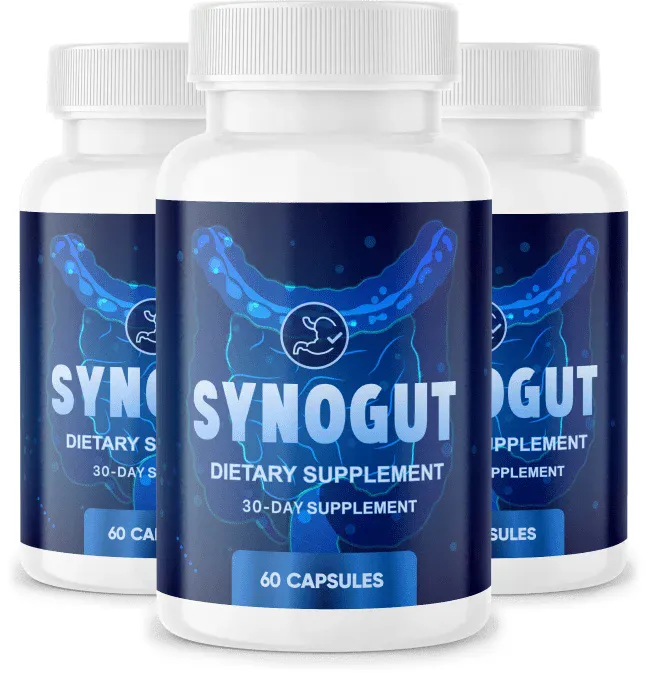
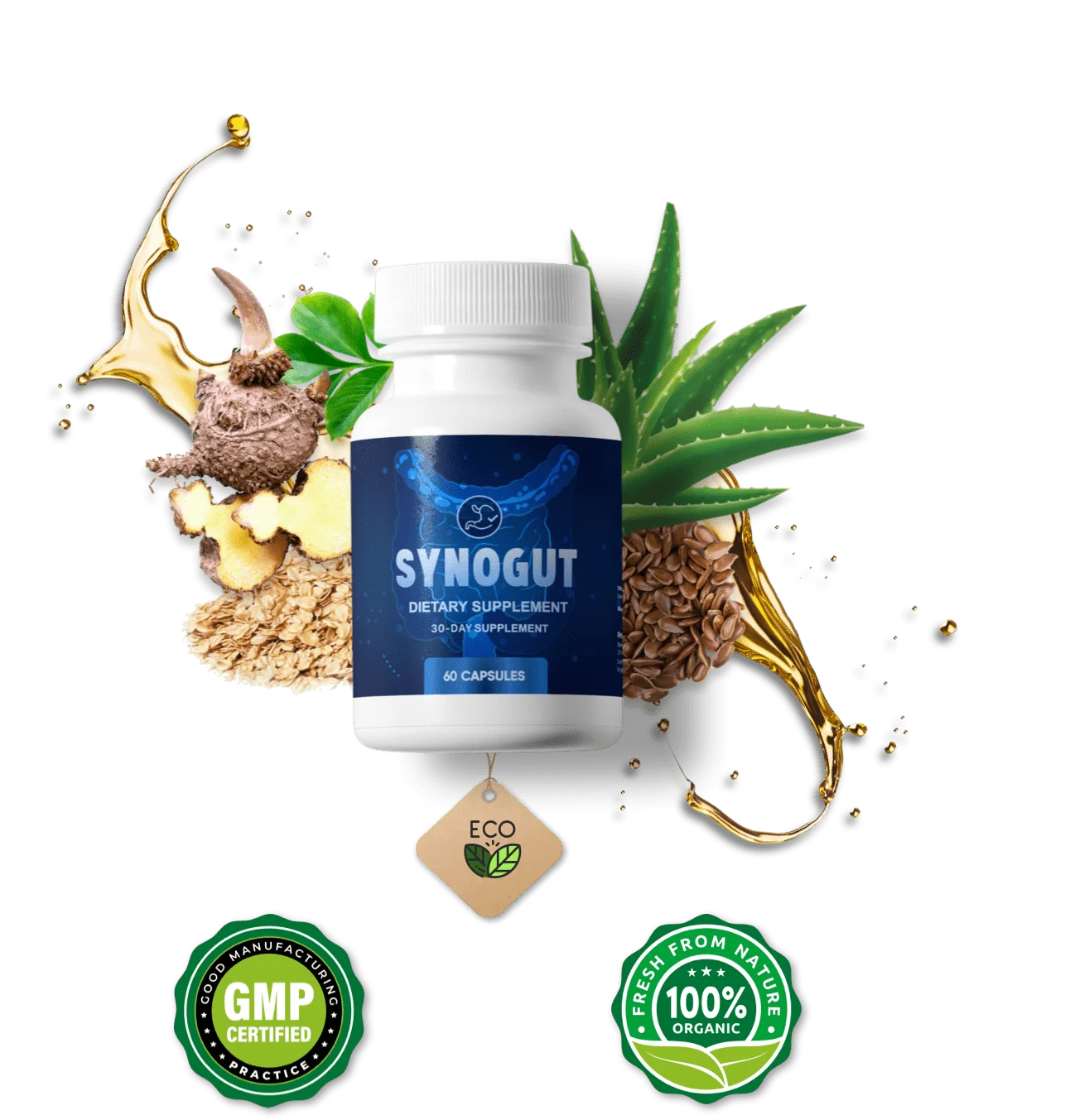
While focusing on fiber-rich foods is paramount, certain natural ingredients can provide additional support for digestive health. SynoGut combines a powerful blend of prebiotics, probiotics, and natural laxatives to support a healthy gut, complementing your dietary efforts.
Psyllium Husk
Role: A well-known soluble fiber that absorbs water in the gut, forming a gel that helps soften stool and promote regular bowel movements. It's excellent for both constipation and diarrhea by normalizing stool consistency.
Bentonite Clay
Role: Acts as a detoxifying agent, helping to absorb toxins and impurities from the digestive tract. It can also aid in adding bulk to stool, contributing to regularity.
Black Walnut Hull
Role: Traditionally used for its cleansing properties, it helps support a healthy intestinal environment and can assist in maintaining bowel regularity.
Oat Bran
Role: A rich source of both soluble and insoluble fiber, oat bran is effective in promoting regular bowel movements, reducing constipation, and supporting overall gut health by feeding beneficial bacteria.
Flaxseed
Role: Packed with soluble fiber and Omega-3 fatty acids, flaxseed forms a gel that lubricates the intestines and helps move waste through the digestive system smoothly, easing constipation.
Prune Fruit Powder
Role: A natural laxative, prune powder is high in fiber and sorbitol, which helps draw water into the colon, softening stool and stimulating bowel movements effectively.
Aloe Vera
Role: Known for its soothing properties, aloe vera can help calm the digestive tract and has mild laxative effects that support regularity and reduce inflammation.
L. Acidophilus
Role: A beneficial probiotic strain that helps maintain a healthy balance of gut bacteria, supports digestion, and can alleviate symptoms of IBS, including constipation and diarrhea.
Apple Pectin
Role: A soluble fiber found in apples, pectin acts as a prebiotic, supporting the growth of beneficial gut bacteria and helping to regulate bowel function.
Glucomannan
Role: A highly viscous soluble fiber derived from the konjac plant. It absorbs a large amount of water, forming a thick gel that promotes satiety and helps move waste through the intestines.
Considering a supplement can be a strategic move when dietary changes alone aren't enough, or if you're looking for comprehensive support. SynoGut offers a blend of these ingredients to synergistically tackle various aspects of digestive health. If you're comparing options, you might find our articles on SynoGut vs. Other Gut Supplements and SynoGut vs. Digestive Enzyme Supplements insightful for understanding its unique position in the market.
Take the Next Step Towards Optimal Gut Health
While a fiber-rich diet is fundamental, SynoGut offers a synergistic blend of natural ingredients to further support your digestive system, ease constipation, and nurture a balanced gut microbiome. Designed for comprehensive wellness, it's the perfect complement to your healthy lifestyle.
- ✓ Supports healthy digestion and regularity
- ✓ Promotes a balanced gut microbiome
- ✓ Natural ingredients for gentle relief
- ✓ Manufactured in a GMP-certified facility
- ✓ Backed by a 60-day money-back guarantee




Real People, Real Results: Stories from SynoGut Users
"For years, I struggled with chronic constipation and bloating, making every day uncomfortable. Since incorporating SynoGut into my diet, alongside increasing my fiber intake, I've experienced a remarkable improvement. My bowel movements are regular, and the bloating has significantly reduced. It feels like a new lease on life!"
"I was skeptical at first, but after reading about the ingredients in SynoGut, I decided to give it a try. Combined with the high-fiber foods I've been adding to my meals, I've noticed a profound difference in my gut health. My IBS symptoms have calmed down, and I feel lighter and more energetic. This supplement truly complements a healthy diet."
"Finding the right balance for my gut health has been a journey. SynoGut, with its blend of fiber and probiotics, has been a game-changer. It works gently and effectively, ensuring I stay regular without any harsh side effects. My digestion feels optimized, and I no longer dread meal times. Highly recommend for anyone seeking natural gut support!"
Frequently Asked Questions
What is the recommended daily fiber intake for adults?
+For most adults, the recommended daily fiber intake is between 25 to 38 grams. Women typically need around 25 grams per day, while men require about 38 grams. However, individual needs can vary based on age, activity level, and specific health conditions. It's important to increase fiber intake gradually to avoid digestive discomfort and ensure adequate hydration.
Can too much fiber cause constipation or other digestive issues?
+While fiber is crucial for digestive health, consuming too much too quickly, especially without adequate hydration, can indeed lead to constipation, bloating, gas, and abdominal discomfort. It's essential to increase fiber intake gradually over several weeks to allow your digestive system to adjust. Always pair high-fiber foods with plenty of water to help the fiber move smoothly through your digestive tract.
How quickly can high-fiber foods relieve constipation?
+The time it takes for high-fiber foods to relieve constipation can vary greatly among individuals. For some, relief might be noticed within a day or two, while for others, it could take several days or even a week of consistent high-fiber intake and adequate hydration to establish more regular bowel movements. Consistency is key, and individual responses depend on the severity of constipation and overall dietary habits.
Are fiber supplements as effective as dietary fiber from foods?
+Fiber from whole foods offers a broader spectrum of nutrients, vitamins, minerals, and antioxidants that work synergistically with the fiber. While fiber supplements can be helpful for individuals struggling to meet their daily fiber goals, they typically do not provide the same comprehensive nutritional benefits as whole foods. Supplements should be seen as a complement to a fiber-rich diet, not a replacement.
What role does hydration play when increasing fiber intake?
+Hydration is absolutely critical when increasing fiber intake. Fiber absorbs water, which helps to soften stool and add bulk, making it easier to pass. Without sufficient water, fiber can actually worsen constipation and lead to blockages. Aim to drink at least 8 glasses (about 2 liters) of water daily, and even more when consuming a high-fiber diet, to ensure optimal digestive function.
How can SynoGut support gut health in conjunction with a high-fiber diet?
+SynoGut is formulated with a blend of natural ingredients, including well-known fiber sources like Psyllium Husk and Oat Bran, along with prebiotics, probiotics, and natural laxatives. When combined with a high-fiber diet, SynoGut can provide additional synergistic support for digestive regularity, a balanced gut microbiome, and overall gut comfort. It's designed to complement dietary efforts by providing targeted support for those seeking comprehensive digestive wellness.
Related Articles