Are You Experiencing IBS Symptoms Triggered by Stress?
In our fast-paced modern world, stress has become an inescapable part of daily life. While we often associate stress with mental and emotional strain, its impact extends far beyond our minds, profoundly affecting our physical health, particularly our digestive system. For millions worldwide, this connection manifests as Irritable Bowel Syndrome (IBS), a chronic gastrointestinal disorder characterized by abdominal pain, bloating, gas, diarrhea, and/or constipation.
The intricate relationship between our brain and our gut, often referred to as the gut-brain axis, is a complex communication network that plays a pivotal role in how stress can trigger or exacerbate IBS symptoms. Understanding this dynamic connection is the first step towards finding effective management strategies and regaining control over your digestive well-being.

The Gut-Brain Axis: A Two-Way Street
At the core of understanding stress-induced digestive issues lies the fascinating concept of the gut-brain axis. This isn't just a metaphor; it's a tangible, complex communication system that connects your central nervous system (brain and spinal cord) with your enteric nervous system (ENS), which is often dubbed your "second brain" because it lines your entire gastrointestinal tract.
This elaborate network communicates through various pathways, including the **vagus nerve**, a major cranial nerve that acts like a superhighway between your brain and gut. Hormones, neurotransmitters (like serotonin and dopamine, many of which are produced in the gut), and immune system chemicals also play critical roles in this constant dialogue. When you experience stress, your brain sends signals that can directly influence your gut's function, affecting everything from motility to nutrient absorption. Conversely, an unhealthy gut can send distress signals back to the brain, influencing mood, anxiety, and even cognitive function. This bidirectional communication means that **mental health profoundly impacts gut health, and vice-versa**.
For more detailed insights into this fascinating connection, you can read our article on The Gut-Brain Connection: Linking Digestive and Mental Health. Understanding this fundamental principle is crucial for anyone looking to manage IBS, as it highlights why addressing mental and emotional well-being is just as important as focusing on dietary changes.
💡 Key Takeaway
The gut-brain axis is a powerful communication system where stress signals from the brain can directly disrupt gut function, leading to IBS symptoms, and an unhealthy gut can negatively impact mental well-being. This two-way street emphasizes the need for a holistic approach to digestive health.
How Stress Disrupts Digestive Harmony
When stress becomes chronic, its impact on the gut can be profound and multifaceted, often leading to the uncomfortable symptoms characteristic of IBS.
Firstly, stress can **alter gut motility**, meaning how quickly food moves through your digestive tract. For some, stress accelerates this process, leading to rapid transit and diarrhea-predominant IBS (IBS-D). For others, it slows things down, resulting in constipation-predominant IBS (IBS-C). This erratic movement can cause significant discomfort, bloating, and unpredictable bowel habits. Secondly, stress has been shown to **increase visceral hypersensitivity**. This means that nerves in the gut become overly sensitive to normal sensations like gas or stretching, perceiving them as pain or discomfort, which is a hallmark symptom of IBS.
Beyond motility and sensitivity, stress can also compromise the **integrity of the gut lining**. The gut lining acts as a crucial barrier, preventing undigested food particles, toxins, and harmful bacteria from entering the bloodstream. Chronic stress can weaken this barrier, potentially leading to increased intestinal permeability, often referred to as "leaky gut." This can trigger inflammation and contribute to a host of systemic issues, including worsening IBS symptoms. Moreover, stress profoundly impacts the **gut microbiome**, the vast community of bacteria, viruses, and fungi residing in your intestines. Studies show that stress can reduce the diversity of beneficial bacteria and promote the growth of less desirable microbes, further disrupting digestive balance and contributing to inflammation and discomfort.
The cumulative effect of these changes is a digestive system that is constantly on edge, overreacting to normal stimuli, and struggling to maintain its delicate balance. This explains why moments of high stress, such as deadlines, personal crises, or even exciting events, can so often trigger an IBS flare-up, turning everyday life into a constant struggle with digestive distress.
Recognizing the Cycle: Stress, IBS, and Your Body
Breaking free from the cycle of stress-induced IBS begins with recognizing the signs and understanding how your body communicates its distress. It's not always just a rumbling stomach; the symptoms can be far more pervasive.
Digestive Distress
This is the most obvious manifestation. You might experience increased abdominal pain or cramping, frequent bloating, excessive gas, or a sudden change in bowel habits (more frequent diarrhea or severe constipation) during periods of high stress. These symptoms often worsen with emotional tension.
Heightened Anxiety & Mood Swings
Given the gut-brain axis, it's common for individuals with IBS to experience increased anxiety, irritability, or even symptoms of depression, particularly when their gut symptoms are flaring. The physical discomfort can create a feedback loop, intensifying emotional stress.
Sleep Disturbances
Stress often interferes with sleep quality, leading to insomnia or restless nights. Poor sleep, in turn, can exacerbate both stress levels and IBS symptoms, creating a vicious cycle that is difficult to break. A well-rested body is better equipped to handle stress.
Fatigue & Low Energy
Chronic stress and ongoing digestive issues can drain your energy reserves. Many IBS sufferers report persistent fatigue, even after a full night's sleep, as their body constantly struggles to cope with inflammation, discomfort, and the demands of stress.
Muscle Tension & Headaches
Physical symptoms of stress, such as tense muscles, neck stiffness, and tension headaches, can accompany gut discomfort. These are often indicators that your body is in a prolonged "fight or flight" response, impacting various bodily systems.
Food Sensitivities
During stressful periods, your gut may become more reactive to certain foods that you might normally tolerate. This increased sensitivity can lead to more severe reactions and make it harder to identify specific dietary triggers, adding to the frustration.
Empowering Strategies for Stress Management and Gut Health
Taking control of your stress response is one of the most powerful steps you can take toward alleviating IBS symptoms and fostering a healthier gut. This involves a multi-faceted approach that integrates mind, body, and lifestyle.
One of the most effective tools for stress reduction is **mindfulness and meditation**. Practices like deep breathing exercises, progressive muscle relaxation, and guided meditation can activate your parasympathetic nervous system, shifting your body out of "fight or flight" mode and into a state of "rest and digest." Even just 10-15 minutes daily can make a significant difference in your stress levels and gut reactivity. Regular **physical activity** is another cornerstone of stress management. Exercise releases endorphins, natural mood elevators, and helps to reduce the physiological effects of stress. Aim for at least 30 minutes of moderate activity most days of the week, choosing activities you enjoy, such as walking, yoga, swimming, or cycling.
Prioritizing **adequate sleep** is non-negotiable for both stress reduction and gut health. Chronic sleep deprivation can increase stress hormones and negatively impact the gut microbiome. Establish a consistent sleep schedule, create a relaxing bedtime routine, and ensure your sleep environment is conducive to rest. **Dietary choices** also play a crucial role. While specific triggers vary, generally, a diet rich in whole foods, fiber, and fermented products can support a healthy gut microbiome and reduce inflammation. Limiting highly processed foods, excessive caffeine, alcohol, and artificial sweeteners can help stabilize gut function. You can explore more about beneficial foods in our article on Foods That Heal Your Gut Lining Naturally.
Finally, consider **connecting with others** and seeking professional support. Social interaction can buffer the effects of stress, and talking to a therapist, counselor, or support group can provide valuable coping strategies and emotional release. Cognitive Behavioral Therapy (CBT) and gut-directed hypnotherapy have shown particular promise in managing IBS symptoms by addressing the psychological components of the condition. Remember, managing stress isn't about eliminating it entirely, but rather about developing resilient coping mechanisms that protect your gut from its harmful effects.
Holistic Approaches to Support Your Gut
Beyond direct stress management, several holistic strategies can significantly contribute to a more resilient and harmonious digestive system, especially when dealing with IBS.
Mindful Eating Practices
Slow down and savor your meals. Eating quickly or under stress can impair digestion, leading to bloating and discomfort. Pay attention to your body's hunger and fullness cues, chew your food thoroughly, and create a calm eating environment. This practice enhances digestion and reduces post-meal distress.
Hydration is Key
Adequate water intake is fundamental for digestive health. It helps to soften stool, prevent constipation, and support nutrient absorption. Dehydration can exacerbate IBS symptoms, particularly constipation. Aim for 8-10 glasses of water daily, and consider herbal teas for added benefits.
Probiotics & Prebiotics
These are crucial for maintaining a healthy gut microbiome. Probiotics introduce beneficial bacteria, while prebiotics (fibers that feed these bacteria) help them thrive. Incorporate fermented foods like yogurt, kefir, sauerkraut, and kimchi, or consider a high-quality supplement to support microbial balance.
Identify Food Triggers
While stress is a major factor, certain foods can also trigger IBS symptoms. Keeping a food diary can help identify specific culprits. Common triggers include high-FODMAP foods, gluten, dairy, and artificial sweeteners. Work with a dietitian to navigate elimination diets safely.
Herbal Remedies
Certain herbs have long been used to soothe digestive upset. Peppermint oil, ginger, chamomile, and fennel can help calm intestinal spasms, reduce gas, and alleviate nausea. Always consult a healthcare professional before incorporating herbal remedies, especially if you are on medication.
Regular Routine
The gut thrives on routine. Irregular meal times, erratic sleep patterns, and inconsistent daily schedules can disrupt the body's natural circadian rhythms, including those that govern digestion. Striving for consistency in meals, sleep, and daily activities can bring stability to your gut.
Introducing SynoGut: A Natural Approach to Digestive Support
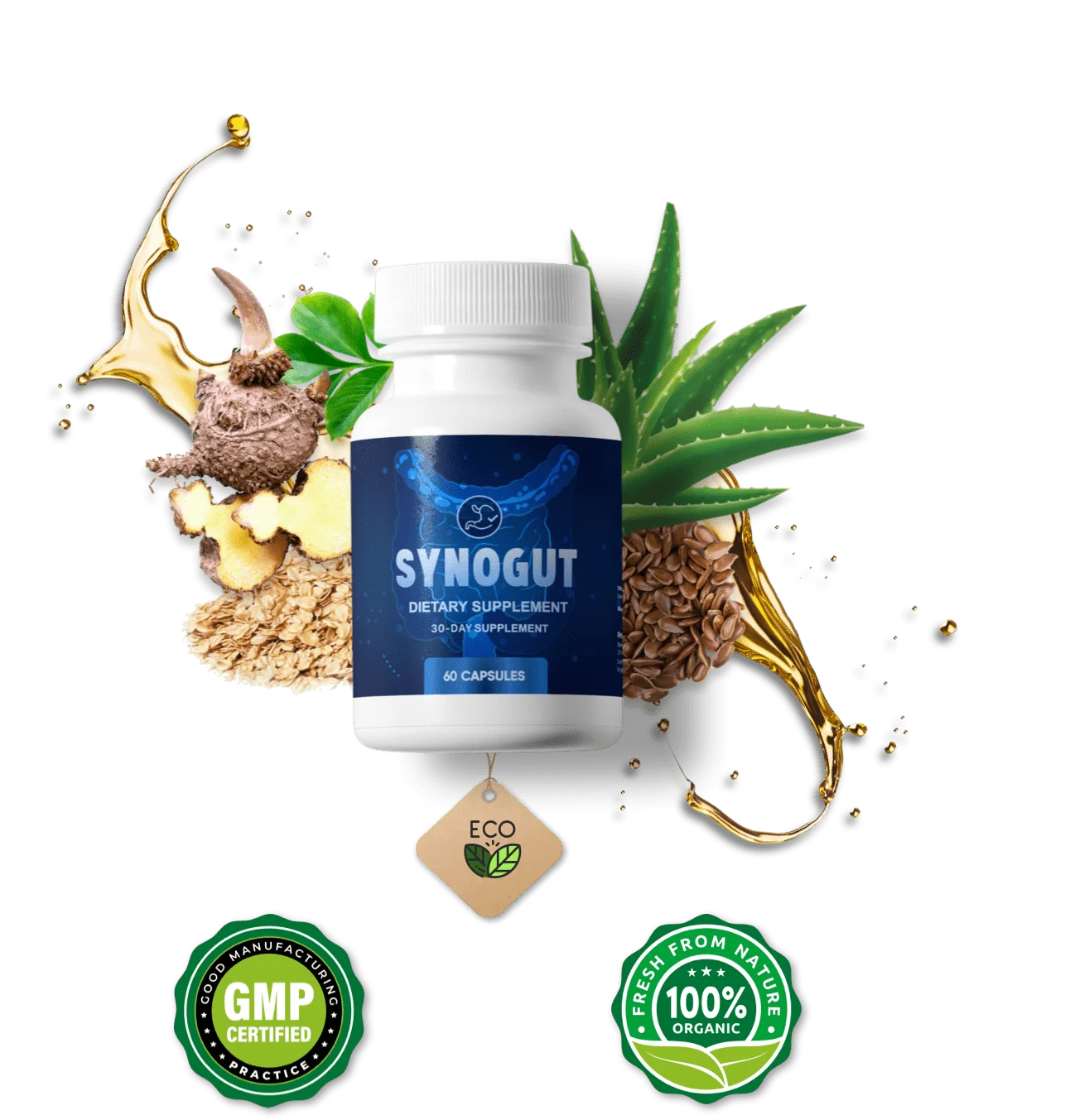
While lifestyle and dietary changes form the foundation of gut health, some individuals seek additional support to manage the complex challenges of stress-related digestive issues and IBS. This is where targeted nutritional supplements can play a role, offering a blend of ingredients designed to promote gut balance and comfort. SynoGut is one such natural supplement formulated to support a healthy digestive system, aiming to address several aspects of gut well-being.
SynoGut is crafted with a combination of plant extracts, fibers, and natural compounds known for their beneficial effects on digestion. It's designed to work synergistically with your body's natural processes, helping to maintain regularity, support gut flora, and soothe digestive discomfort. For those grappling with the unpredictable nature of IBS, especially when exacerbated by stress, SynoGut offers a gentle yet comprehensive approach to support digestive harmony.
Many users have reported positive experiences with SynoGut, noticing improvements in their bowel regularity, reduction in bloating, and an overall sense of digestive comfort. You can read some of these experiences in our SynoGut Before and After Customer Results article to understand how it has helped others on their journey to better gut health.
Key Natural Ingredients in SynoGut for Digestive Wellness
SynoGut's formula is built upon a foundation of carefully selected natural ingredients, each chosen for its established role in supporting digestive health and alleviating common gut issues. These components work together to promote regularity, balance the gut microbiome, and soothe the digestive tract.
Psyllium Husk
Role: A well-known soluble fiber, psyllium husk is excellent for promoting regular bowel movements. It absorbs water in the gut, forming a gel-like substance that aids in stool passage, making it effective for both constipation and diarrhea. It also acts as a prebiotic, nourishing beneficial gut bacteria.
Bentonite Clay
Role: This natural clay is often used for its detoxifying properties. It can absorb toxins, heavy metals, and impurities from the digestive tract, helping to cleanse the gut and support a healthier environment for beneficial bacteria.
Black Walnut Hull
Role: Traditionally used as a natural remedy for digestive issues, black walnut hull contains compounds that support a healthy gut microbiome by helping to eliminate unwanted organisms and promoting a balanced internal environment.
Oat Bran
Role: A rich source of soluble and insoluble fiber, oat bran contributes to bowel regularity and stool bulk. Its fiber content helps to keep the digestive system moving smoothly and supports a feeling of fullness, aiding in overall digestive comfort.
Flaxseed
Role: Flaxseed is packed with both soluble and insoluble fiber, as well as omega-3 fatty acids. It helps regulate bowel movements, soothes the digestive tract, and can reduce inflammation, contributing to overall gut health and comfort.
Prune Fruit Powder
Role: Prunes are a natural laxative, known for their ability to relieve constipation. They are rich in fiber and sorbitol, which draw water into the colon, promoting softer stools and regular bowel movements.
Aloe Vera
Role: Known for its soothing properties, aloe vera can help calm digestive inflammation and irritation. It also supports gut healing and may aid in maintaining healthy bowel function, contributing to overall digestive comfort.
L. Acidophilus
Role: This beneficial probiotic strain is vital for a healthy gut microbiome. L. Acidophilus helps digest food, absorb nutrients, and maintain the balance of good bacteria, which is crucial for preventing digestive upset and supporting immune health.
Apple Pectin
Role: A soluble fiber found in apples, pectin acts as a prebiotic, feeding beneficial gut bacteria. It helps regulate bowel movements, can reduce cholesterol, and supports the integrity of the gut lining.
Glucomannan
Role: Derived from the konjac plant, glucomannan is a highly viscous soluble fiber. It absorbs a large amount of water, promoting feelings of fullness, supporting healthy blood sugar levels, and aiding in regular bowel movements, particularly helpful for constipation.
Take Control of Your Digestive Health with SynoGut Today
If you're tired of stress dictating your digestive comfort and want a natural way to support your gut, SynoGut offers a carefully formulated solution. Empower your body to find its natural balance and experience the relief you deserve.
- ✓ Supports healthy digestion and regularity
- ✓ Promotes a balanced gut microbiome
- ✓ Alleviates bloating and discomfort
- ✓ Made with 100% natural and effective ingredients
- ✓ Manufactured in a GMP-certified facility




What Our Customers Say About SynoGut
"I've struggled with stress-induced IBS for years, and SynoGut has been a game-changer. My bloating is down, and my bowel movements are finally regular. I feel so much lighter and less stressed about my gut!"
"Since starting SynoGut, I've noticed a significant improvement in my overall digestive comfort. The constant gurgling and discomfort that came with stress have subsided. It's truly helped me feel more in control."
"I was skeptical, but the natural ingredients in SynoGut really made a difference. My gut feels calmer, and I don't dread stressful days anymore. It's a fantastic supplement for anyone with a sensitive stomach."
Frequently Asked Questions
What is the gut-brain connection and why is it important for IBS?
+The gut-brain connection, or gut-brain axis, is a bidirectional communication system linking your central nervous system (brain) and your enteric nervous system (gut). This intricate network uses nerves (like the vagus nerve), hormones, and neurotransmitters to constantly exchange information. For IBS, this connection is crucial because stress signals from the brain can directly impact gut function, leading to symptoms like abdominal pain, bloating, and altered bowel habits. Conversely, an unhealthy gut can send distress signals to the brain, affecting mood and stress levels. Understanding this link is key to managing IBS effectively.
How does chronic stress specifically exacerbate Irritable Bowel Syndrome (IBS) symptoms?
+Chronic stress significantly impacts IBS symptoms through several mechanisms. It can alter gut motility, causing either faster transit (diarrhea) or slower transit (constipation). Stress also increases visceral hypersensitivity, making the gut more sensitive to pain and discomfort. Furthermore, it can compromise the gut barrier, leading to increased permeability (leaky gut), and disturb the balance of the gut microbiome, which is vital for digestive health. These physiological changes directly contribute to the flare-ups and severity of IBS symptoms experienced during stressful periods.
What are some immediate and practical ways to manage stress for better gut health?
+For immediate stress management, deep breathing exercises, mindfulness meditation, and progressive muscle relaxation are highly effective. Taking short breaks, engaging in light physical activity like walking, or listening to calming music can also provide quick relief. Long-term strategies include regular exercise, adequate sleep (7-9 hours), a balanced diet, and spending time in nature. Identifying and addressing the root causes of stress, perhaps through therapy or counseling, is also crucial for sustainable gut health improvement.
Can dietary changes significantly help in reducing stress-induced IBS flare-ups?
+Absolutely. Diet plays a pivotal role in managing stress-induced IBS flare-ups. Focusing on a balanced diet rich in fiber from fruits, vegetables, and whole grains, while avoiding common triggers like highly processed foods, excessive caffeine, alcohol, and artificial sweeteners, can make a substantial difference. Some individuals benefit from following a low-FODMAP diet under professional guidance. Incorporating probiotic-rich foods like yogurt or kefir, and ensuring adequate hydration, also supports a healthy gut microbiome, which is more resilient to stress.
How long does it typically take to see improvements in IBS symptoms by implementing lifestyle and stress management changes?
+The timeline for seeing improvements in IBS symptoms varies greatly among individuals, depending on the severity of their condition, consistency of new habits, and individual response. Generally, some people may notice subtle improvements within a few weeks of consistently implementing stress management techniques and dietary changes. More significant and sustained relief often takes several months (3-6 months) of dedicated effort. It's important to be patient, consistent, and to work with healthcare professionals to tailor an approach that best suits your needs.
Is SynoGut suitable for everyone experiencing stress-related gut issues or IBS?
+SynoGut is formulated with natural ingredients known to support digestive health and gut balance. While many individuals may find it beneficial for managing symptoms related to stress and IBS, it's not a one-size-fits-all solution. Its ingredients are generally well-tolerated, but individual responses can vary. It is always recommended to consult with a healthcare professional, especially if you have pre-existing medical conditions, are taking other medications, or are pregnant or nursing, to determine if SynoGut is appropriate for your specific health needs and to ensure it complements your overall treatment plan.
Related Articles