Are you tired of digestive discomfort and the mysterious symptoms that plague your gut?
Many people experience issues like bloating, gas, irregular bowel movements, and even mood swings without realizing the root cause might lie within their gut. Your digestive system is home to trillions of microorganisms, collectively known as the gut microbiome, which plays a pivotal role in your overall health and well-being.
A balanced gut microbiome is not just about comfortable digestion; it influences everything from your immune system to your mental clarity. For those grappling with conditions like Irritable Bowel Syndrome (IBS), understanding and restoring this delicate balance is key to finding relief and achieving lasting digestive harmony through natural methods.
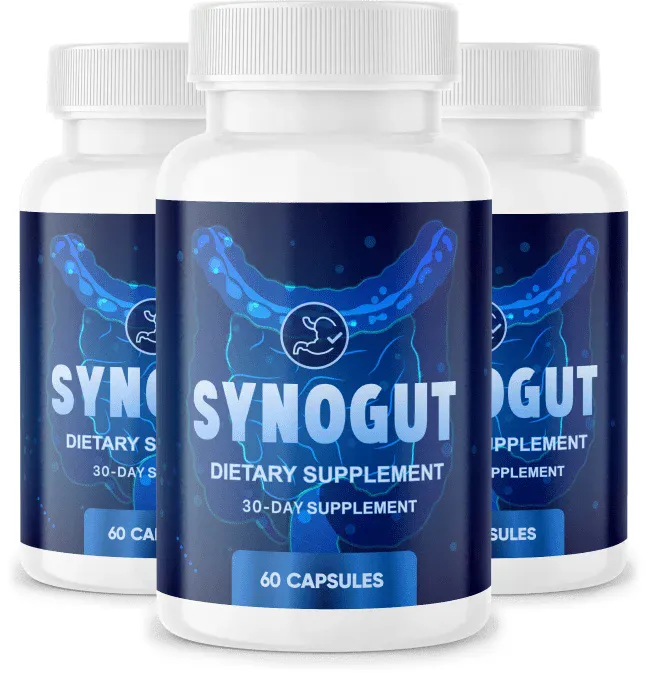
Understanding Your Gut Microbiome: The Foundation of Health
Before we delve into restoration, let's establish a clear understanding of what the gut microbiome is and why its balance is non-negotiable for your health.
Your gut microbiome is a complex ecosystem residing primarily in your large intestine, comprising trillions of microorganisms, including bacteria, viruses, fungi, and other microbes. While the term "bacteria" often carries negative connotations, the vast majority of these organisms are beneficial, playing essential roles in maintaining your health. Think of it as an internal garden; when it's flourishing with diverse, healthy plants, your entire system thrives. When weeds take over, problems arise.
These microbes are not merely passive residents; they are active participants in numerous bodily functions. They help us digest food that our own enzymes cannot break down, synthesize essential vitamins like K and B, and even produce short-chain fatty acids (SCFAs) that nourish the gut lining and have wide-ranging anti-inflammatory effects throughout the body. A diverse and balanced microbiome is characterized by a wide variety of beneficial species, which creates resilience against potential pathogens and promotes overall digestive efficiency. Conversely, a lack of diversity or an overgrowth of harmful bacteria, known as dysbiosis, can lead to a cascade of health issues.
💡 Key Takeaway
Your gut microbiome is a vast community of microbes crucial for digestion, immunity, and overall well-being. Maintaining its balance and diversity is fundamental to preventing and managing digestive issues, including Irritable Bowel Syndrome (IBS).
The Critical Role of a Balanced Microbiome Beyond Digestion
While gut health is synonymous with digestion, its influence extends far beyond the digestive tract, impacting virtually every system in your body.
A healthy gut microbiome is a cornerstone of a robust immune system. Approximately 70% of your immune cells reside in your gut, constantly interacting with the microbiome. Beneficial bacteria help train immune cells, distinguish between harmful pathogens and harmless substances, and produce compounds that modulate immune responses. When the gut is imbalanced, this delicate immune regulation can be disrupted, potentially leading to increased susceptibility to infections, allergies, and even autoimmune conditions. This connection is particularly relevant for those with chronic inflammation, which can be a factor in various health challenges.
Furthermore, the gut-brain axis highlights the profound connection between your gut and your brain. The microbiome communicates with the brain through neural, endocrine, and immune pathways. This bidirectional communication means that an unhealthy gut can contribute to mood disorders like anxiety and depression, while stress can, in turn, negatively impact gut health. Serotonin, a key neurotransmitter that regulates mood, is predominantly produced in the gut. Therefore, a balanced microbiome can play a significant role in supporting mental well-being. For individuals with Irritable Bowel Syndrome (IBS), this gut-brain connection is particularly evident, as stress often exacerbates symptoms like abdominal pain, bloating, and altered bowel habits.
Beyond these, a healthy gut contributes to efficient nutrient absorption, ensuring your body gets the vitamins, minerals, and energy it needs from food. It also plays a role in regulating metabolism, influencing weight management and blood sugar levels. Understanding these far-reaching effects underscores why restoring and maintaining a healthy gut microbiome is one of the most impactful steps you can take for your overall health.
Signs Your Gut Microbiome Might Be Unbalanced
Recognizing the warning signs of an imbalanced gut is the first step towards restoration. Many symptoms are often dismissed as normal, but they could be your body signaling for help.
The most obvious indicators of dysbiosis are digestive issues. Persistent bloating, excessive gas, abdominal pain, diarrhea, or constipation are classic signs that your gut bacteria are out of whack. For those with Irritable Bowel Syndrome (IBS), these symptoms are a daily reality, often fluctuating in severity and frequency. An imbalanced microbiome can lead to increased gut permeability (often called "leaky gut"), allowing undigested food particles and toxins to pass into the bloodstream, triggering inflammation and further discomfort. If you're frequently experiencing these symptoms, it's a strong signal to investigate your gut health.
However, the signs aren't limited to digestion. An unhealthy gut can manifest in seemingly unrelated ways. Chronic fatigue, unexplained weight fluctuations, difficulty concentrating ("brain fog"), and even skin issues like acne or eczema can all be linked to microbial imbalances. Because the gut plays such a vital role in immunity, recurrent infections or a general feeling of being unwell might also point to a compromised gut microbiome. Furthermore, mood disturbances, including anxiety and irritability, are increasingly recognized as symptoms of an imbalanced gut, due to the intricate gut-brain axis. Paying attention to these subtle and overt signals is crucial for identifying when your gut needs attention and intervention.
Factors Disrupting Your Gut Health
Our modern lifestyles, while convenient, often inadvertently create an environment hostile to a thriving gut microbiome. Identifying these disruptors is crucial for effective restoration.
Poor Diet Choices
A diet rich in processed foods, refined sugars, artificial sweeteners, and unhealthy fats starves beneficial bacteria and feeds harmful ones. Lack of fiber from fruits, vegetables, and whole grains deprives good bacteria of their primary food source, leading to reduced diversity and an imbalanced gut. This is a major contributor to digestive issues, including the exacerbation of IBS symptoms.
Chronic Stress
The gut-brain axis means that chronic psychological stress can directly alter gut motility, increase gut permeability, and change the composition of the microbiome. Stress hormones can influence bacterial growth and function, leading to dysbiosis and worsening digestive discomfort. Managing stress is a critical, yet often overlooked, component of gut health.
Antibiotic Use
While life-saving, antibiotics indiscriminately kill both harmful and beneficial bacteria in the gut. This can severely deplete microbial diversity and create opportunities for pathogenic bacteria or fungi (like Candida) to overgrow. Even a single course of antibiotics can have long-lasting effects on the microbiome, requiring targeted efforts to restore balance.
Environmental Toxins
Exposure to pesticides, herbicides, heavy metals, and other environmental pollutants can negatively impact gut bacteria. These toxins can directly harm microbes or create an inflammatory environment in the gut, contributing to dysbiosis and impaired gut barrier function. Modern living often means unavoidable exposure, making proactive gut support even more vital.
Lack of Sleep
Inadequate or disrupted sleep patterns can throw off the body's circadian rhythms, which in turn can influence the daily fluctuations of gut bacteria. Poor sleep can lead to increased inflammation and stress, both of which are detrimental to a healthy microbiome. Prioritizing consistent, quality sleep is a simple yet powerful way to support gut health.
Overuse of NSAIDs
Non-steroidal anti-inflammatory drugs (NSAIDs) like ibuprofen, while effective for pain relief, can damage the gut lining and increase intestinal permeability with prolonged use. This 'leaky gut' can lead to inflammation and allow bacteria and toxins to enter the bloodstream, further disrupting the microbiome and potentially worsening conditions like IBS.
Natural Strategies to Restore Healthy Gut Bacteria
Restoring a healthy gut microbiome isn't a quick fix; it's a journey that involves consistent, natural interventions. Here are the most effective strategies.
Dietary Approaches: Fueling Your Inner Garden
Your diet is the most powerful tool you have to shape your gut microbiome. Focusing on whole, unprocessed foods is paramount. Incorporate a wide variety of fiber-rich fruits, vegetables, legumes, and whole grains. These provide essential prebiotics – non-digestible fibers that feed beneficial gut bacteria, allowing them to flourish. Aim for at least 25-30 grams of fiber per day from diverse sources. For specific guidance on nutrient-dense foods, you might find our article on foods that heal the gut lining naturally very helpful.
Equally important are probiotic-rich fermented foods. These foods contain live beneficial bacteria that can directly supplement your gut microbiome. Examples include:
- Yogurt and Kefir: Choose plain, unsweetened varieties with live and active cultures.
- Sauerkraut and Kimchi: Fermented cabbage packed with probiotics.
- Tempeh and Miso: Fermented soy products offering unique bacterial strains.
- Kombucha: A fermented tea that provides a diverse array of microbes.
Limiting foods that harm your gut is just as important. Drastically reduce your intake of refined sugars, artificial sweeteners, highly processed foods, and unhealthy fats. These ingredients can promote the growth of harmful bacteria and contribute to inflammation, making it harder for your gut to heal. Staying well-hydrated by drinking plenty of water also supports healthy digestion and nutrient transport.
Lifestyle Changes: Nurturing Your Gut-Brain Connection
Beyond diet, several lifestyle factors significantly influence your gut health:
- Stress Management: Chronic stress is a major disruptor of the gut microbiome. Incorporate stress-reducing practices into your daily routine, such as meditation, yoga, deep breathing exercises, spending time in nature, or engaging in hobbies you enjoy.
- Regular Exercise: Physical activity has been shown to increase the diversity of gut bacteria and improve gut motility. Aim for at least 30 minutes of moderate-intensity exercise most days of the week.
- Adequate Sleep: Sleep deprivation can negatively impact the gut microbiome and increase inflammation. Prioritize 7-9 hours of quality sleep each night to allow your body and gut to repair and regenerate.
- Mindful Eating: Eating slowly, chewing your food thoroughly, and paying attention to your body's hunger and fullness cues can improve digestion and reduce stress on your gut.
By adopting these dietary and lifestyle changes, you create a holistic environment that encourages the proliferation of beneficial bacteria, reduces inflammation, and strengthens your gut barrier, leading to a healthier, more resilient digestive system and potentially significant relief from conditions like Irritable Bowel Syndrome.
Targeted Support: The Role of Gut Health Supplements
While diet and lifestyle form the bedrock of gut health, sometimes our bodies need a little extra support, especially when dealing with persistent issues like Irritable Bowel Syndrome or recovering from factors that have severely disrupted the microbiome. This is where targeted gut health supplements can play a beneficial role.
A high-quality gut health supplement can provide concentrated doses of beneficial ingredients that might be difficult to obtain consistently through diet alone. These often include a combination of prebiotics, probiotics, and natural digestive aids. Prebiotics, as discussed, are specialized plant fibers that act as food for your gut's good bacteria, helping them to grow and thrive. Probiotics introduce specific strains of beneficial bacteria directly into your digestive system, helping to replenish depleted populations and increase microbial diversity. Some supplements also include digestive enzymes or natural compounds that support gut lining integrity and reduce inflammation.
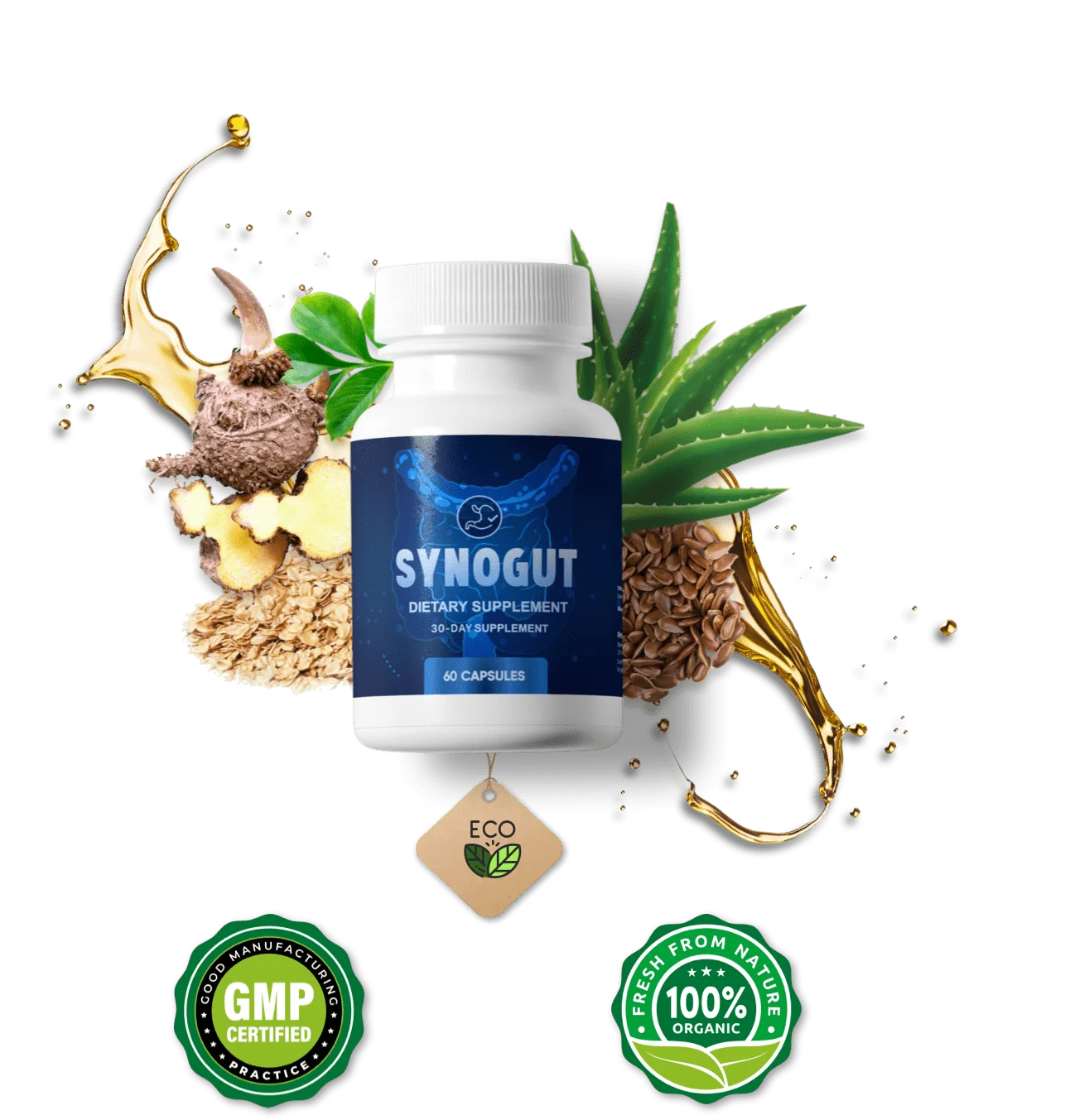
For individuals with Irritable Bowel Syndrome (IBS), a well-formulated supplement can help address common symptoms by fostering a more balanced gut environment. For example, specific probiotic strains have been shown to reduce IBS-related bloating and abdominal pain. Fiber blends can help regulate bowel movements, whether the issue is constipation or diarrhea. When choosing a supplement, look for those that are transparent about their ingredients, dosages, and manufacturing quality. Products like SynoGut are designed to offer a comprehensive approach, combining several key elements to support natural gut restoration. However, it's always wise to consult with a healthcare professional before adding any new supplement to your regimen, especially if you have an underlying medical condition or are taking medications.
Key Natural Ingredients in SynoGut for Digestive Harmony
SynoGut is formulated with a powerful blend of natural ingredients, each carefully selected for its role in supporting a healthy gut microbiome and optimal digestive function. These ingredients work synergistically to help cleanse, nourish, and rebalance your digestive system.
Psyllium Husk
Role: A bulk-forming laxative and excellent source of soluble fiber. It absorbs water in the gut, forming a gel that aids in smooth bowel movements, helps regulate stool consistency, and feeds beneficial gut bacteria as a prebiotic. Crucial for managing both constipation and diarrhea associated with IBS.
Bentonite Clay
Role: Known for its detoxifying properties, bentonite clay can bind to toxins, heavy metals, and other impurities in the digestive tract, helping to remove them from the body. It also provides minerals and can help soothe the gut lining.
Black Walnut Hull
Role: Traditionally used for its potent anti-parasitic and anti-fungal properties. It helps to create an environment where beneficial bacteria can thrive by inhibiting the growth of harmful pathogens and yeasts that can contribute to dysbiosis.
Oat Bran
Role: A rich source of soluble fiber, similar to psyllium husk. It helps to add bulk to stool, promote regularity, and serves as a prebiotic to nourish the gut microbiome. Its gentle action is beneficial for sensitive digestive systems.
Flaxseed
Role: Contains both soluble and insoluble fiber, promoting healthy digestion and regularity. It's also a source of omega-3 fatty acids, which have anti-inflammatory properties beneficial for gut health and reducing inflammation common in IBS.
Prune Fruit Powder
Role: A natural laxative, prune powder is high in fiber and sorbitol, which help to stimulate bowel movements and relieve constipation. It also contains antioxidants that support overall digestive health.
Aloe Vera Leaf
Role: Renowned for its soothing and healing properties for the digestive tract. Aloe vera can help calm inflammation, support the integrity of the gut lining, and promote healthy bowel function, making it beneficial for irritated guts.
L. Acidophilus
Role: A well-researched probiotic strain, Lactobacillus Acidophilus helps maintain a healthy balance of gut bacteria, supports nutrient absorption, enhances immune function, and can help alleviate symptoms of digestive upset, including those related to IBS.
Apple Pectin
Role: A soluble fiber found in apples, apple pectin acts as a potent prebiotic, selectively feeding beneficial gut bacteria. It helps to regulate digestion, stabilize blood sugar levels, and supports gut barrier function.
Glucomannan
Role: A soluble dietary fiber derived from the konjac plant. It absorbs a significant amount of water, forming a viscous gel that promotes satiety, supports healthy weight management, and aids in regulating bowel movements, contributing to overall gut regularity.
The Comprehensive Benefits of Restoring Your Gut Health
Embarking on a journey to restore your gut microbiome yields a multitude of benefits that extend far beyond comfortable digestion, transforming your overall health and quality of life.
Improved Digestive Function
The most immediate and noticeable benefit is a significant improvement in digestive comfort. A balanced microbiome efficiently breaks down food, reduces gas and bloating, and promotes regular, healthy bowel movements. For individuals with IBS, this means fewer flare-ups, less abdominal pain, and a greater sense of control over their digestive system.
Enhanced Immune System Response
With 70% of your immune system residing in your gut, a healthy microbiome directly translates to a stronger immune defense. Beneficial bacteria help educate immune cells, making your body more adept at fighting off infections, reducing inflammation, and potentially mitigating the severity of allergies and autoimmune responses.
Better Mood and Cognitive Function
The gut-brain axis ensures that a healthy gut contributes to a healthy mind. A balanced microbiome supports the production of neurotransmitters like serotonin, which are crucial for mood regulation. Many people report reduced anxiety, improved mood, and greater mental clarity ("less brain fog") once their gut health is optimized.
Increased Energy Levels
When your gut is functioning optimally, nutrient absorption is maximized, providing your body with the fuel it needs. Furthermore, by reducing systemic inflammation and improving sleep quality (often a byproduct of better gut health), you'll experience a noticeable boost in energy and vitality throughout your day.
Support for Healthy Weight Management
A balanced microbiome plays a role in metabolism and how your body stores fat. Certain beneficial bacteria can influence hunger hormones, reduce cravings, and improve insulin sensitivity. Restoring gut health can therefore be a valuable component of a holistic approach to maintaining a healthy weight.
Reduced Inflammation Throughout the Body
An unhealthy gut can contribute to chronic inflammation, a root cause of many chronic diseases. By restoring microbial balance and strengthening the gut barrier, you can significantly reduce systemic inflammation. This has far-reaching benefits for joint health, skin conditions, and overall disease prevention.
Embracing a Holistic Path to Gut Wellness
Restoring a healthy gut microbiome is not merely about addressing symptoms; it's about nurturing the very core of your well-being. It's an investment in your long-term health, vitality, and comfort.
The journey to a balanced gut involves a holistic approach, integrating mindful dietary choices, effective stress management, adequate sleep, and regular physical activity. By consistently providing your gut with the support it needs, you empower your body to heal, thrive, and function at its best. For many, integrating a high-quality supplement designed to complement these efforts can accelerate progress and provide targeted relief, especially when dealing with persistent challenges like Irritable Bowel Syndrome.
Remember, consistency is key. Small, sustainable changes over time will yield the most profound and lasting results. Listen to your body, be patient with the process, and celebrate every step towards a healthier, happier gut. If you're looking for additional support in your journey, considering a comprehensive solution designed to nourish your gut can be a powerful step forward. You can learn more about finding the best gut supplement for bloating and other common issues, which often stems from microbial imbalance.
Ultimately, a healthy gut is a foundation for a healthy life. By prioritizing your gut microbiome, you're not just alleviating digestive discomfort; you're unlocking a cascade of benefits that will positively impact every aspect of your physical and mental health. Take the first step today towards restoring your inner balance and reclaiming your vitality.
Ready to Restore Your Gut Naturally with SynoGut?
SynoGut offers a powerful, all-natural blend designed to support a healthy gut microbiome, promote smooth digestion, and help alleviate common discomforts like bloating and irregular bowel movements. Take the next step towards digestive wellness today!
- ✓ Supports a Balanced Gut Microbiome
- ✓ Promotes Regular & Comfortable Digestion
- ✓ Alleviates Bloating, Gas & Discomfort
- ✓ Made with 100% Natural Ingredients
- ✓ Backed by a 60-Day Money-Back Guarantee




Hear From Our Happy Customers
"I've struggled with bloating and irregular digestion for years, often linked to my IBS. Since starting SynoGut, I've noticed a remarkable difference. My stomach feels calmer, and my bowel movements are much more consistent. It's truly a game-changer for my gut health!"
"As someone who values natural health, I was impressed by SynoGut's ingredient list. After a few weeks, my energy levels improved, and the discomfort I used to feel after meals has significantly reduced. My gut truly feels more balanced now. Highly recommend for anyone looking to support their digestive system."
"I was skeptical at first, but SynoGut has genuinely helped me manage my IBS symptoms. The constant bloating and gas used to dictate my day, but now I feel so much lighter and more comfortable. It's given me back a sense of normalcy and confidence in my digestive health."
Frequently Asked Questions
What is the gut microbiome and why is it important?
+The gut microbiome refers to the trillions of microorganisms, including bacteria, fungi, viruses, and other microbes, that live in your digestive tract. It plays a crucial role in digestion, nutrient absorption, immune function, and even mood regulation. A balanced microbiome is essential for overall health, preventing issues like digestive discomfort and contributing to conditions such as Irritable Bowel Syndrome (IBS).
How can I naturally restore healthy gut bacteria?
+Restoring healthy gut bacteria naturally involves a multi-faceted approach. Key strategies include consuming a diet rich in probiotic-rich fermented foods (like yogurt, kimchi) and prebiotic fibers (from fruits, vegetables, whole grains), limiting processed foods and sugar, managing stress, getting regular exercise, ensuring adequate sleep, and staying hydrated. These habits foster an environment where beneficial bacteria can thrive.
What role does diet play in gut health, especially for IBS?
+Diet is paramount for gut health, particularly for individuals with Irritable Bowel Syndrome (IBS). A diet high in diverse plant-based foods provides essential fiber and prebiotics to feed beneficial bacteria. Conversely, processed foods, excessive sugar, and artificial sweeteners can disrupt the microbiome, exacerbating IBS symptoms. Identifying trigger foods and adopting an anti-inflammatory diet are key steps in managing IBS through diet.
Can stress impact my gut microbiome and contribute to IBS symptoms?
+Absolutely. The gut-brain axis demonstrates a strong bidirectional connection between your brain and your gut. Chronic stress can significantly alter the composition of your gut microbiome, leading to an imbalance that can worsen digestive symptoms, inflammation, and contribute to the severity and frequency of Irritable Bowel Syndrome (IBS) flare-ups. Effective stress management techniques are vital for gut health.
When should I consider a gut health supplement like SynoGut?
+While diet and lifestyle are foundational, a gut health supplement like SynoGut can be considered as an additional support, especially if you're struggling to get enough diverse nutrients from your diet or experience persistent digestive discomfort, including IBS symptoms. SynoGut is designed with a blend of natural fibers, prebiotics, and probiotics to help nourish the gut microbiome and support healthy digestion, offering a convenient way to bolster your natural efforts.
Are there any side effects to natural gut restoration methods or SynoGut?
+Natural methods like dietary changes generally have minimal side effects, though some individuals may experience temporary bloating or gas when increasing fiber intake. SynoGut is formulated with natural ingredients and is generally well-tolerated. However, as with any supplement, individual reactions can vary. It's always recommended to consult with a healthcare professional, especially if you have existing medical conditions, are pregnant, nursing, or taking other medications, to ensure it's suitable for you.
Related Articles