Are you truly absorbing the nutrients from your food?
In our fast-paced world, digestive discomfort has become an all-too-common complaint. From bloating and gas to indigestion and nutrient deficiencies, many people struggle daily with their gut health, often without understanding the root cause. While diet and lifestyle play crucial roles, one often-overlooked component of efficient digestion is the presence of adequate digestive enzymes.
These powerful proteins are the unsung heroes of your digestive system, breaking down complex foods into absorbable building blocks. Understanding their function and knowing when to support their activity can be a game-changer for achieving optimal digestion and overall well-being, especially for those experiencing chronic issues like Irritable Bowel Syndrome (IBS).
The Foundation of Digestion: What Are Digestive Enzymes?
Digestive enzymes are biological catalysts, meaning they accelerate biochemical reactions within the body. Specifically, they are proteins that break down macronutrients—carbohydrates, proteins, and fats—into smaller molecules that your body can absorb and utilize.
Imagine your food as a complex jigsaw puzzle. Without the right tools (enzymes), your body struggles to break it apart into individual pieces that can then be sorted and used. This process begins in the mouth, continues in the stomach, and is largely completed in the small intestine. Each type of enzyme has a specific job, targeting particular food components to ensure efficient digestion and nutrient uptake. When this intricate system is functioning optimally, you experience comfortable digestion, steady energy levels, and robust overall health. Conversely, a deficiency can lead to a cascade of uncomfortable symptoms and long-term health issues.
The Key Players: Types of Digestive Enzymes and Their Roles
Our bodies produce a diverse array of digestive enzymes, each with a specialized function. Understanding these key players helps to appreciate the complexity of digestion and identify potential areas where support might be needed.
The primary digestive enzymes are categorized by the type of macronutrient they break down:
- Amylase: Produced in the salivary glands and pancreas, amylase is responsible for breaking down complex carbohydrates (starches) into simpler sugars like glucose. Without sufficient amylase, you might experience bloating and gas after consuming carb-rich foods.
- Protease (including Pepsin, Trypsin, Chymotrypsin): These enzymes, primarily from the stomach (pepsin) and pancreas (trypsin, chymotrypsin), break down proteins into amino acids and smaller peptides. Protein maldigestion can lead to issues such as putrefaction in the gut, allergic reactions, and nutrient deficiencies.
- Lipase: Secreted by the pancreas and stomach, lipase breaks down dietary fats (triglycerides) into fatty acids and glycerol. Fat malabsorption can result in greasy stools, fat-soluble vitamin deficiencies (A, D, E, K), and discomfort after fatty meals.
- Lactase: Produced in the small intestine, lactase breaks down lactose, the sugar found in dairy products, into glucose and galactose. A deficiency in lactase is common and leads to lactose intolerance, causing bloating, gas, and diarrhea after consuming dairy.
- Cellulase: While humans don't naturally produce cellulase, this enzyme is vital for breaking down cellulose, the fiber found in plant cell walls. Plant-based enzyme supplements often include cellulase to help digest fibrous foods, reducing gas and improving nutrient release from plant matter.
- Other Enzymes: Additional enzymes like bromelain (from pineapple) and papain (from papaya) are proteases often included in supplements for their broad-spectrum digestive support and anti-inflammatory properties.
Each of these enzymes plays a critical role in ensuring that the food we eat is properly dismantled, allowing our bodies to extract the maximum nutritional value. When any of these enzymes are insufficient, the entire digestive process can be compromised, leading to a host of uncomfortable symptoms and potentially impacting long-term health.
💡 Key Takeaway
Digestive enzymes are essential proteins that break down carbohydrates, proteins, and fats into absorbable nutrients. Deficiencies can lead to bloating, gas, indigestion, and nutrient malabsorption, underscoring their critical role in overall health.
When Your Body Needs a Helping Hand: Signs of Enzyme Deficiency
Many common digestive complaints can be traced back to insufficient enzyme production. Recognizing these signs is the first step toward finding relief and optimizing your digestive health.
If your body isn't producing enough digestive enzymes, food can sit in your gut undigested, fermenting and causing a range of unpleasant symptoms. Here are some of the most common indicators that you might benefit from digestive enzyme support:
- Bloating and Gas: This is perhaps the most common sign. When food isn't fully broken down, it ferments in the large intestine, producing gas and causing a distended, uncomfortable feeling.
- Indigestion and Heartburn: Poor digestion can lead to food lingering in the stomach, increasing pressure and potentially causing acid reflux or a feeling of heaviness.
- Abdominal Discomfort or Pain: Generalized stomach aches, cramps, or discomfort after meals can be a sign that your digestive system is struggling.
- Undigested Food in Stool: Observing bits of undigested food in your bowel movements is a clear indicator that your enzymes aren't doing their job effectively.
- Fatigue and Low Energy: If you're not absorbing nutrients properly, your body can't produce enough energy, leading to persistent tiredness, even after adequate sleep.
- Nutrient Deficiencies: Despite eating a healthy diet, you might still be deficient in vitamins and minerals (especially fat-soluble vitamins A, D, E, K) if your body can't break down food to absorb them.
- Skin Issues: Poor gut health and nutrient malabsorption can manifest as skin problems like acne, eczema, or dryness.
- Weight Fluctuation: Unexplained weight loss or difficulty gaining weight can sometimes be linked to chronic malabsorption.
For individuals dealing with conditions like Irritable Bowel Syndrome (IBS), these symptoms are often chronic and debilitating. While IBS is a complex condition, enzyme deficiencies can exacerbate symptoms such as bloating, abdominal pain, and irregular bowel movements. Addressing enzyme levels can be a supportive strategy within a broader management plan for IBS, helping to reduce the digestive burden and improve comfort.
Factors That Can Reduce Your Natural Enzyme Production
Several factors, both internal and external, can diminish your body's ability to produce sufficient digestive enzymes, making supplementation a valuable consideration.
Aging Process
As we age, the production of digestive enzymes naturally declines. By the time many individuals reach their 40s and beyond, their enzyme output can be significantly reduced, leading to increased digestive issues.
Processed Foods & Cooking
A diet rich in processed, cooked, and refined foods often lacks natural enzymes, which are destroyed by heat. Relying heavily on such foods means your body has to work harder, potentially overwhelming its own enzyme reserves.
Chronic Stress
Stress impacts the entire digestive system. When the body is in a "fight or flight" state, digestive processes, including enzyme production, are deprioritized, leading to less efficient breakdown of food.
Medical Conditions
Conditions such as chronic pancreatitis, cystic fibrosis, celiac disease, Crohn's disease, and especially Irritable Bowel Syndrome (IBS), can impair enzyme production or function, making digestion difficult. Gallbladder removal can also impact fat digestion.
Medications
Certain medications, including antacids, proton pump inhibitors (PPIs), and metformin, can interfere with stomach acid production or enzyme activity, further complicating digestion.
When to Consider Digestive Enzyme Supplements
While a balanced diet rich in raw, whole foods can provide some enzymes, many people can benefit from supplemental digestive enzymes, particularly if they experience any of the symptoms or conditions listed above.
Consider incorporating digestive enzyme supplements into your routine if:
- You're Over 40: Given the natural decline in enzyme production with age, proactive supplementation can help maintain digestive efficiency.
- You Experience Regular Digestive Discomfort: If bloating, gas, or indigestion are common after meals, enzymes can offer significant relief.
- You Have IBS or Other Digestive Disorders: As mentioned, enzymes can be a valuable tool in managing symptoms of IBS by reducing the burden on an already sensitive digestive system. They can help break down fermentable carbohydrates that often trigger IBS symptoms.
- You Eat a Lot of Cooked or Processed Foods: These foods are enzyme-deficient, placing a higher demand on your body's own enzyme production.
- You Have Food Sensitivities: Enzymes can help break down specific food components that might be causing sensitivity, such as lactose or gluten.
- You've Had Gallbladder Removal: Lipase supplements are often recommended to aid in fat digestion after cholecystectomy.
It's important to remember that digestive enzymes are not a cure for underlying conditions but rather a supportive therapy to improve the efficiency of digestion and alleviate symptoms. Always consult with your healthcare provider before starting any new supplement, especially if you have a medical condition or are taking other medications. For more insights into comprehensive gut care, you might find our article on effective digestive health remedies particularly helpful.
The Benefits of Digestive Enzyme Supplementation
Integrating digestive enzymes into your daily routine can yield a multitude of benefits, transforming your relationship with food and your overall health.
Enhanced Nutrient Absorption
By breaking down food into its smallest components, enzymes ensure that vitamins, minerals, amino acids, and fatty acids are readily available for absorption into your bloodstream. This means you get more nutritional value from the food you eat, supporting cellular function and overall vitality.
Reduced Digestive Discomfort
Bid farewell to bloating, gas, and indigestion. When food is properly digested, there's less fermentation and putrefaction in the gut, significantly reducing uncomfortable symptoms that often plague individuals after meals. This leads to a more pleasant and comfortable digestive experience.
Alleviation of IBS Symptoms
For those with Irritable Bowel Syndrome, digestive enzymes can be a valuable tool. They help manage common IBS triggers by breaking down specific carbohydrates (like FODMAPs) and proteins that often lead to bloating, pain, and altered bowel habits, offering a much-needed sense of relief.
Boosted Energy Levels
When your body efficiently extracts nutrients, it has more fuel for energy production. Improved digestion means less energy is expended on struggling to break down food, freeing up resources for other bodily functions and leaving you feeling more energetic and less fatigued throughout the day.
Support for a Healthy Gut Microbiome
Undigested food can feed undesirable bacteria in the gut, leading to dysbiosis. By ensuring thorough digestion, enzymes help maintain a balanced gut environment, promoting the growth of beneficial bacteria and supporting overall gut health, which is crucial for immunity and mood.
Enhanced Immune Function
A significant portion of your immune system resides in your gut. By promoting healthy digestion and nutrient absorption, enzymes indirectly support robust immune function, helping your body defend against pathogens and maintain overall resilience.
Choosing the Right Digestive Enzyme Supplement
With a myriad of digestive enzyme supplements on the market, selecting the right one can feel daunting. It's crucial to look for specific qualities to ensure effectiveness and safety.
When evaluating digestive enzyme supplements, consider the following:
- Broad-Spectrum Formula: Look for supplements that contain a wide range of enzymes (amylase, protease, lipase, cellulase, lactase) to ensure comprehensive digestion of various food types. This is especially important if you experience general digestive discomfort rather than a specific intolerance.
- Source and Potency: Enzymes can be derived from animal, plant, or microbial sources. Plant-based and microbial enzymes are often preferred for their stability across different pH levels and suitability for vegetarians. Potency is measured in specific activity units (e.g., DU for amylase, HUT for protease) rather than milligrams, so pay attention to these units.
- Natural Ingredients: Opt for supplements with natural, non-GMO ingredients, free from artificial fillers, binders, or common allergens.
- Probiotic Inclusion: Some supplements combine digestive enzymes with probiotics, which are beneficial bacteria that support gut health. This synergistic approach can offer more comprehensive digestive support.
- Reputation and Testing: Choose products from reputable manufacturers that conduct third-party testing for purity, potency, and absence of contaminants. This ensures you're getting a high-quality, safe product.
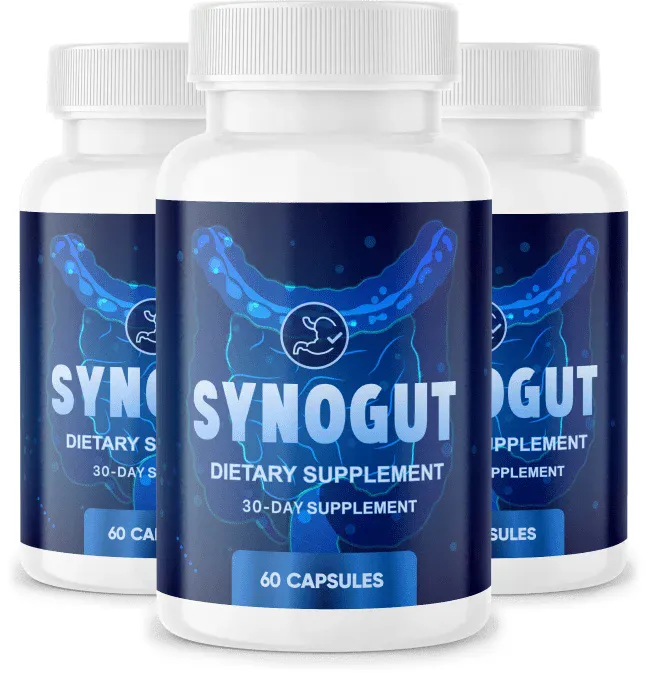
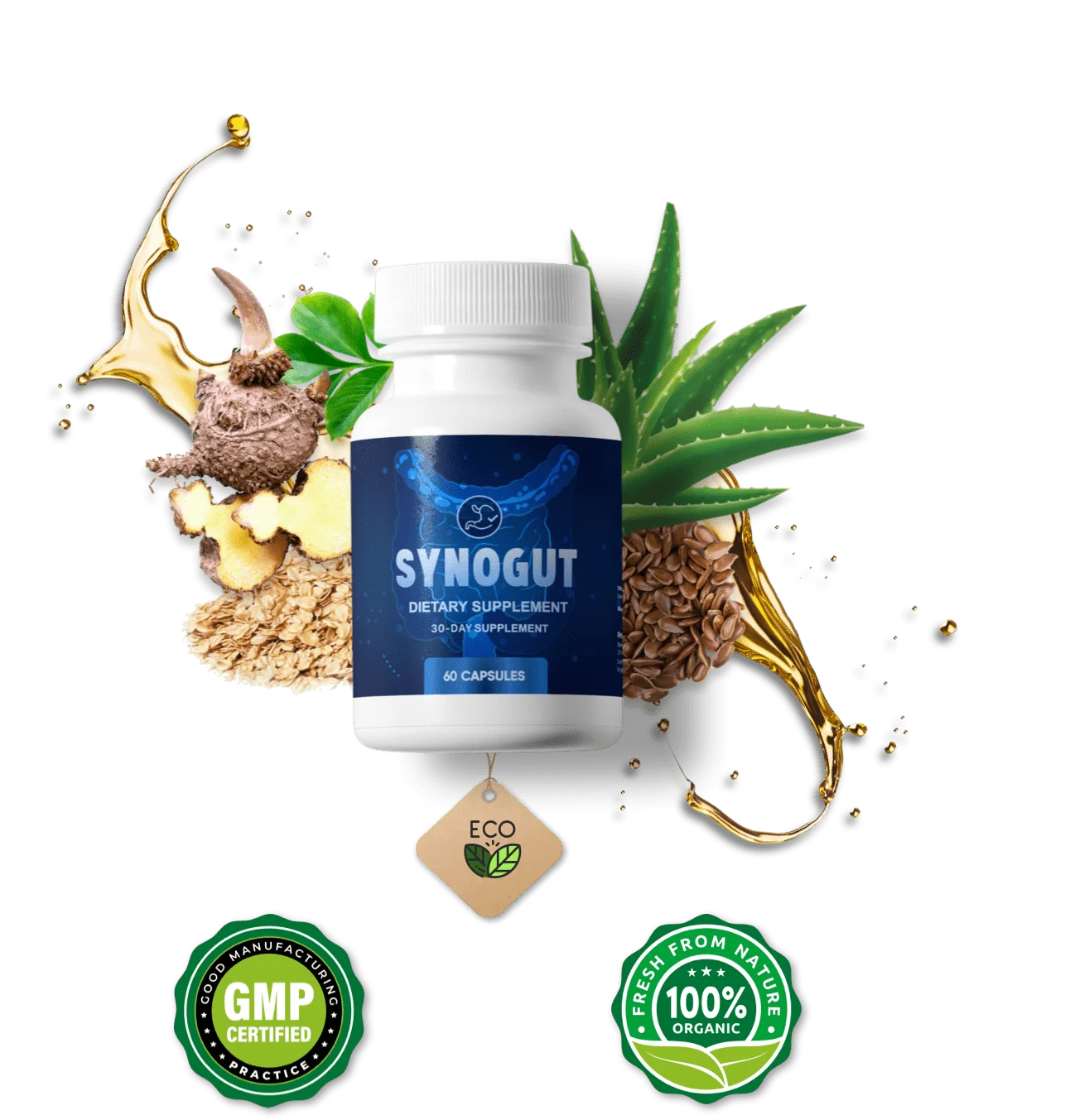
One such supplement that aligns with these principles is SynoGut. Formulated with a blend of natural ingredients including essential digestive enzymes, fibers, and probiotics, SynoGut aims to provide holistic digestive support. It's designed to help break down food efficiently, promote regular bowel movements, and foster a healthy gut microbiome, making it a comprehensive choice for many seeking to improve their digestive well-being. To understand more about how SynoGut works and what users are saying, you can check out our detailed SynoGut digestive supplement review.
Key Natural Ingredients in SynoGut for Digestive Support
SynoGut harnesses the power of nature to support your digestive system. It combines a thoughtful selection of fibers, natural laxatives, beneficial bacteria, and digestive enzymes to create a comprehensive formula.
Psyllium Husk
Role: A bulk-forming fiber that absorbs water in the gut, easing bowel movements and promoting regularity. It helps to cleanse the colon and can alleviate both constipation and diarrhea.
Bentonite Clay
Role: Acts as a natural detoxifier, helping to absorb toxins and heavy metals from the digestive tract. It can also contribute to stool regularity and soothe the gut lining.
Black Walnut Hull
Role: Known for its natural anti-parasitic and anti-fungal properties, it helps maintain a healthy gut environment by reducing unwanted organisms. It also contains fiber for bowel regularity.
Oat Bran
Role: A soluble fiber that supports healthy cholesterol levels and promotes satiety. It adds bulk to stool, aiding in smooth and regular bowel movements.
Flaxseed
Role: Rich in omega-3 fatty acids and soluble fiber, flaxseed supports digestive health by promoting regularity and helping to reduce inflammation in the gut.
Prune Fruit Powder
Role: A natural laxative known for its high fiber content and sorbitol, which helps draw water into the colon, relieving constipation and promoting healthy bowel function.
Aloe Vera
Role: Soothes and heals the digestive tract lining, reducing inflammation and supporting nutrient absorption. It also has mild laxative properties.
L. Acidophilus
Role: A beneficial probiotic strain that helps balance the gut microbiome, supports immune function, aids in nutrient absorption, and can reduce symptoms like bloating and gas.
Apple Pectin
Role: A soluble fiber that forms a gel-like substance in the digestive tract, which helps regulate bowel movements and supports the growth of beneficial gut bacteria.
Glucomannan
Role: A dietary fiber that absorbs large amounts of water, creating a feeling of fullness and promoting regular bowel movements. It can also help manage blood sugar and cholesterol levels.
How to Take Digestive Enzymes for Maximum Effectiveness
Proper timing and dosage are crucial for maximizing the benefits of digestive enzyme supplements. Follow these guidelines for optimal results.
The general recommendation for taking digestive enzyme supplements is to consume them immediately before or with your main meals. This ensures the enzymes are present in your digestive tract when food arrives, allowing them to begin breaking down macronutrients right away. For those with significant digestive challenges, taking enzymes with smaller meals or snacks can also be beneficial.
- Timing: Take your enzyme supplement 5-10 minutes before you start eating, or at the very beginning of your meal. This gives the enzymes a head start in preparing your digestive system.
- Dosage: Always follow the dosage instructions provided on the supplement's label. Dosages can vary significantly between products based on their potency and enzyme blend. Never exceed the recommended dose without consulting a healthcare professional.
- Consistency: For chronic digestive issues like IBS, consistent daily use with meals is key to experiencing sustained relief and improved digestion. Sporadic use may not provide the full benefits.
- Listen to Your Body: Pay attention to how your body responds. Some individuals may find they need more enzymes for larger, heavier meals, while fewer may suffice for lighter meals.
It's important to integrate enzyme supplementation with a holistic approach to gut health. This includes consuming a balanced diet rich in whole foods, staying adequately hydrated, managing stress, and getting regular exercise. While SynoGut provides a powerful blend of ingredients, combining it with healthy lifestyle choices will amplify its benefits and lead to more profound improvements in your digestive well-being.
Ready to Transform Your Digestive Health?
If you're tired of living with bloating, gas, indigestion, and the discomfort of conditions like IBS, it's time to give your digestive system the support it deserves. SynoGut offers a unique, all-natural blend of powerful ingredients designed to optimize your digestion and promote overall gut health.
- ✓ Supports healthy digestion & nutrient absorption
- ✓ Reduces bloating, gas & discomfort
- ✓ Promotes regular bowel movements
- ✓ Balances gut microbiome with probiotics
- ✓ Made with 100% natural, non-GMO ingredients


What Our Customers Are Saying
"I've struggled with chronic bloating and discomfort for years, especially after meals. Since starting SynoGut, I've noticed a dramatic improvement. My digestion feels smoother, and the constant gas is finally gone. It's been a lifesaver for my IBS symptoms!"
"As I've gotten older, my digestion just hasn't been the same. Undigested food and a heavy feeling after eating were common. SynoGut has really helped. I feel like my body is finally absorbing nutrients, and I have more energy throughout the day. Highly recommend!"
"I was skeptical at first, but SynoGut has exceeded my expectations. My bowel movements are more regular, and the constant stomach upset I used to experience is now a rarity. It's gentle, effective, and truly makes a difference in my daily comfort."
Frequently Asked Questions
What exactly are digestive enzymes and why are they important?
+Digestive enzymes are specialized proteins produced by your body (primarily in the pancreas, stomach, and small intestine) that break down the foods you eat into smaller, absorbable molecules. Without sufficient enzymes, nutrients cannot be properly absorbed, leading to digestive discomfort and potential nutrient deficiencies. They are crucial for converting complex carbohydrates, proteins, and fats into simple sugars, amino acids, and fatty acids that your body can utilize for energy, growth, and repair.
What are the common signs that I might need digestive enzyme support?
+Common signs of digestive enzyme insufficiency can include frequent bloating, gas, indigestion, heartburn, abdominal discomfort, and feeling overly full after meals. Other indicators might be undigested food in stool, fatigue, skin issues, and nutrient deficiencies despite a healthy diet. These symptoms often point to your body struggling to break down food efficiently.
Can digestive enzymes help with conditions like Irritable Bowel Syndrome (IBS)?
+Yes, for many individuals, digestive enzymes can be a significant aid in managing symptoms associated with Irritable Bowel Syndrome (IBS). IBS often involves issues with digestion and nutrient absorption, leading to bloating, gas, and irregular bowel movements. By providing the necessary enzymes to break down food, supplements can reduce the burden on the digestive system, potentially easing these uncomfortable symptoms and promoting smoother digestion.
When is the best time to take digestive enzyme supplements?
+Generally, digestive enzyme supplements are most effective when taken immediately before or with your largest meal of the day. This timing allows the enzymes to mix with your food right from the start of the digestive process, aiding in its breakdown as it moves through your stomach and small intestine. Some people also find benefit in taking them before smaller meals or snacks, depending on their individual needs and the severity of their symptoms.
Are all digestive enzyme supplements the same, and what should I look for?
+No, digestive enzyme supplements vary widely in their composition and potency. Look for broad-spectrum formulas that contain a variety of enzymes (amylase, protease, lipase, lactase, cellulase) to cover different food types. Also, prioritize supplements made with natural, high-quality ingredients, ideally from a reputable manufacturer that conducts third-party testing for purity and potency. Plant-based enzymes are often preferred for their stability and wide pH range activity.
How does SynoGut stand out as a digestive enzyme solution?
+SynoGut is formulated with a blend of natural ingredients, including specific digestive enzymes and probiotics, designed to support comprehensive gut health. It combines fiber sources, natural laxatives, and beneficial bacteria with enzymes to not only aid in food breakdown but also promote regular bowel movements and a balanced gut microbiome. Its all-natural, non-GMO, and stimulant-free composition makes it a gentle yet effective option for those seeking holistic digestive support.
Related Articles